Deep-sea nodules made headlines when researchers suggested they could produce oxygen without sunlight. The claim sounded revolutionary: perhaps the abyss carried its own invisible oxygen supply. Yet the question is not settled, and the most important new part of the story may be the scientific pushback.
What the original study actually reported
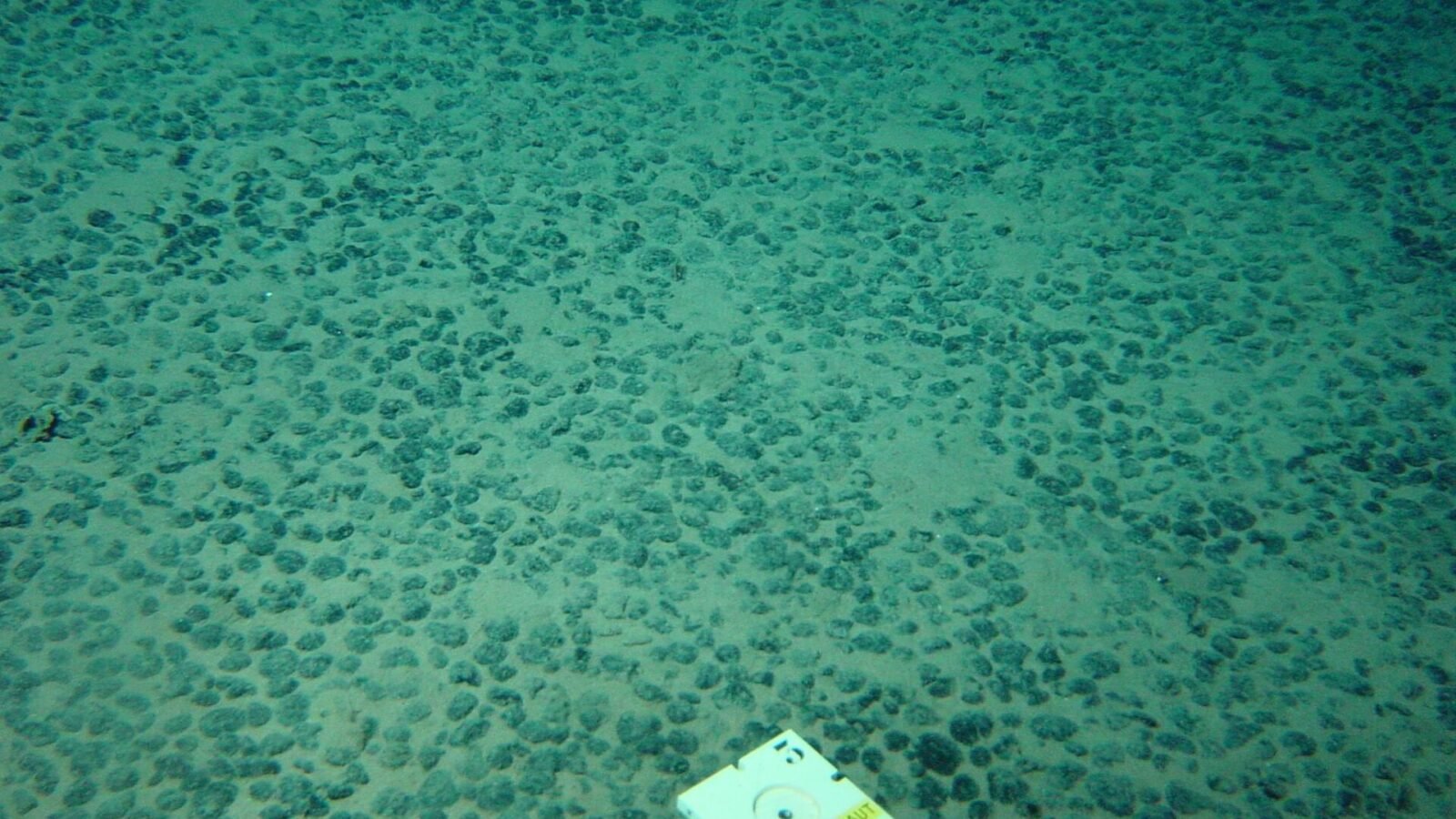
A July 2024 paper in Nature Geoscience described oxygen increasing inside experimental chambers placed over nodule-covered seafloor in the Pacific. The researchers proposed that electrical potentials associated with polymetallic nodules could help split seawater, producing oxygen even in darkness. It was framed as a hypothesis requiring more work—not as a demonstration that deep ocean rocks run a proven global oxygen factory.
The counterargument
A 2025 analysis in Frontiers in Marine Science sharply challenged the interpretation. Its authors argued that chamber conditions and control data might explain the signal and that the reported electrical potentials were too low for the suggested spontaneous electrolysis process. They also questioned the lack of accompanying hydrogen measurements. These are testable criticisms, not a reason to dismiss the observations without investigation.
What would settle it
Independent replication with well-controlled chambers, oxygen and hydrogen measurements, and a defensible energy balance would move the argument forward. Until then, saying the deep sea definitely manufactures oxygen from metal nodules goes beyond established evidence. The abyss remains fascinating enough without adding certainty that scientists have not earned.
Primary sources
Apep Bar — Question. Investigate. Reconsider.