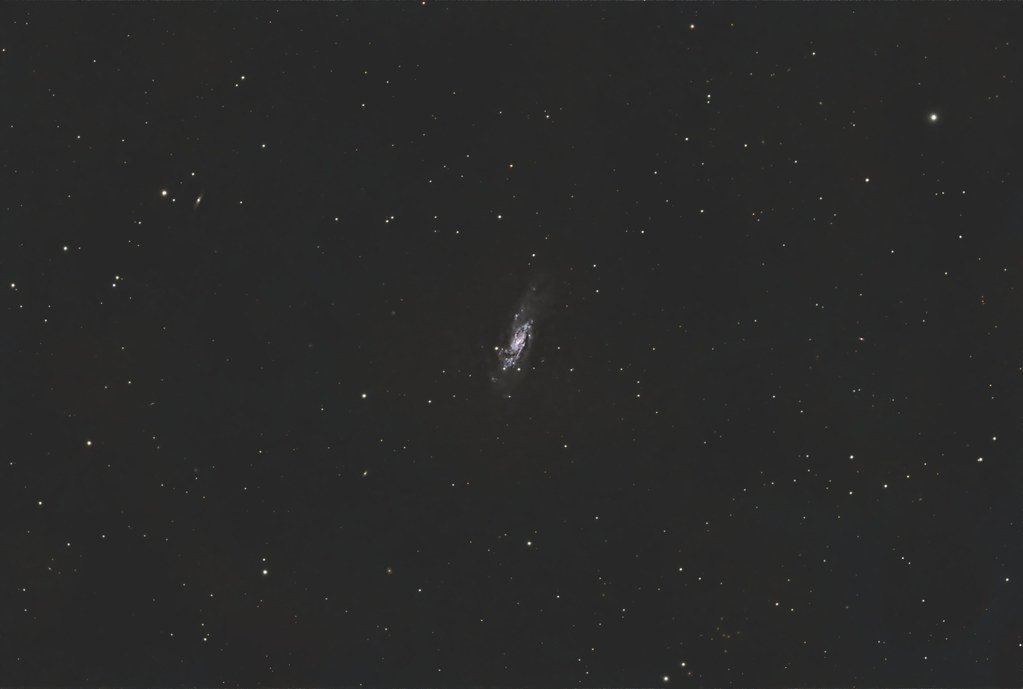
Astronomers watched a massive star brighten as if it were about to blow itself apart. Then it survived. And did it again. On November 9, 2026, NASA reported a strong explanation for repeated eruptions from AT 2016blu: a hidden stellar companion appears to be stripping material from the unstable star on an orbit of roughly 113 days.
The clue in the rhythm
NASA says the star has produced at least 27 optical bursts between 2012 and 2026 at approximately 113-day intervals. AT 2016blu is described as a luminous blue variable and ‘supernova impostor’—a star with spectacular eruptions that do not actually destroy it. An explosive-looking light curve is not, by itself, a supernova.
Why X-rays mattered
The Chandra X-ray Observatory’s sharp imaging allowed researchers to distinguish the source from another bright nearby object. X-ray signals suggest material stripped from AT 2016blu heats intensely as it accretes onto a compact companion. NASA says that companion could be a neutron star or a stellar-mass black hole, a distinction the current evidence has not resolved.
A solved mystery with a mystery inside
The repeating calendar-like pattern now has a compelling orbital explanation, but the object’s precise identity and the physics of the eruptions remain subjects for follow-up. A new peer-reviewed study and the telescope data, rather than tales of cosmic messages, supply the real intrigue.
Sources and documents
Question. Investigate. Reconsider.