A stone coffin made for a Roman-era Londoner apparently spent a second life holding someone from a completely different century. New research into the sarcophagus uncovered at Westminster Abbey in 1869 points toward a remarkable reuse: the Roman monument may have become the final resting place of a prominent Anglo-Saxon abbot about 600 years later.
One coffin, two eras
The sarcophagus carries an inscription commemorating Valerius Amandinus, believed to have lived around the fourth century. Yet its lid also bears a large Latin cross carved in a style associated with the tenth or eleventh century. That mismatch gave archaeologists a tantalizing clue that the coffin had been reused rather than simply left untouched from the Roman period.
In a study published online October 20, 2026, Westminster Abbey consultant archaeologist Warwick Rodwell reviewed the burial, physical structure and historical record. Bone analysis by specialists working with Pre-Construct Archaeology suggested the occupant was a man between 35 and 49 years old, approximately five feet nine inches tall.
The dating changes the story
Radiocarbon analysis placed the bones between 987 and 1052 CE—centuries later than the original Roman dedication. Researchers also found indications that a wooden coffin was placed inside the stone sarcophagus, with lime associated with the burial. Together, the evidence points to a prestigious medieval reburial.
Rodwell favors Ælfwig, an abbot of Westminster who died around 1020, although his successor Wulfnoth, who died in 1049, is another plausible candidate. The study advances a strong historical interpretation; DNA or a surviving nameplate has not conclusively identified the skeleton.
The object disappeared in plain sight
The sarcophagus survived multiple moves and is now displayed in the Abbey’s Queen’s Diamond Jubilee Galleries. Its story illustrates how physical evidence can complicate familiar labels: an object called a Roman coffin can be both Roman in manufacture and medieval in its last documented use.
Sources: Westminster Abbey, October 21, 2026; Warwick Rodwell, Westminster Abbey’s Roman Sarcophagus and its Afterlife; Pre-Construct Archaeology, October 26, 2026.
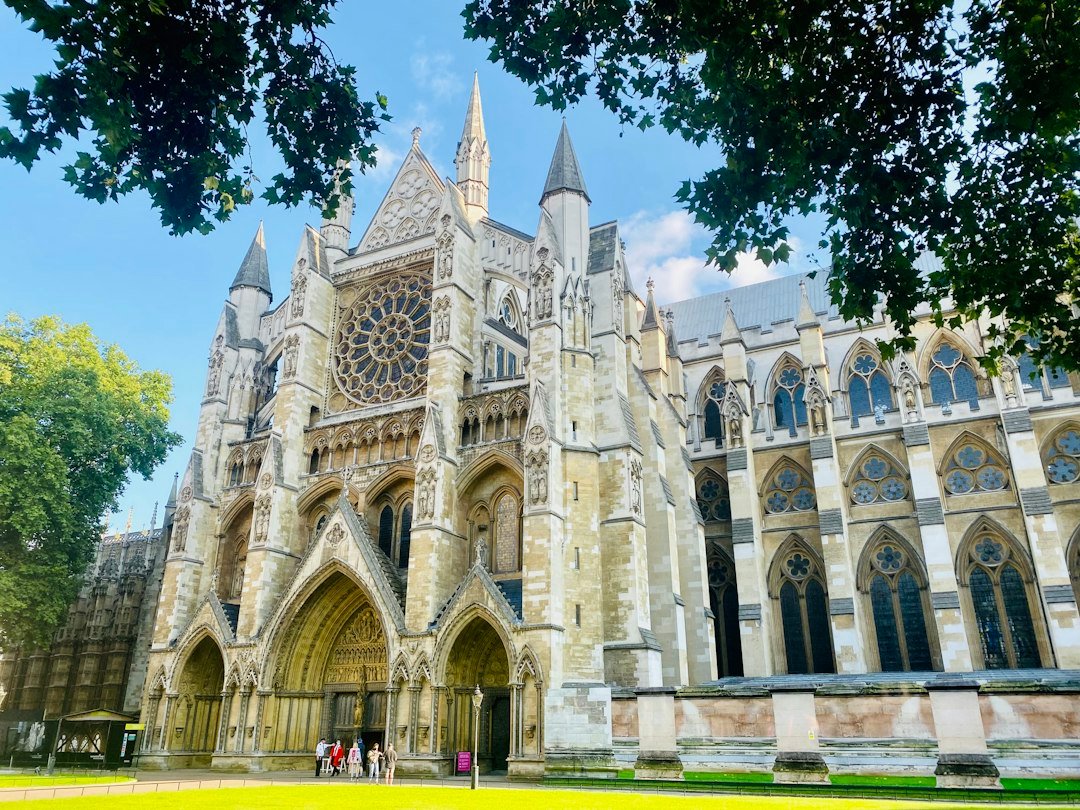
Featured photograph: Westminster Abbey exterior, not the sarcophagus itself. Photo: Ian Branch / Unsplash.