A still-life painting of fruit is an unlikely object to drag into the history of Nazi persecution. But a Dutch restitution case shows how a quiet object can preserve a loud record of confiscation. The painting, Fruit Still Life by seventeenth-century artist Johannes Bosschaert, was linked to the Order of Freemasons in the Netherlands through a surprisingly precise clue: a 1938 photograph of the order’s governing board with the artwork visible in the background.
A lodge’s walls became evidence
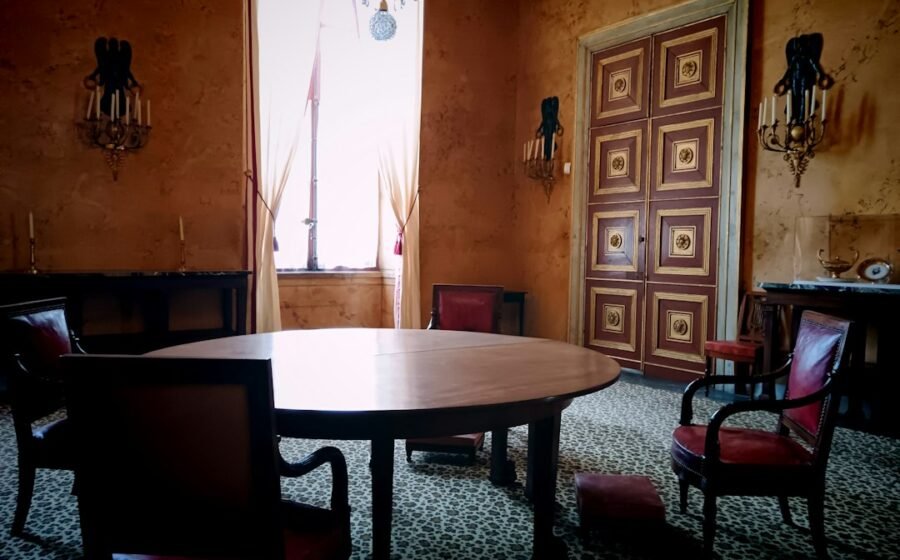
The Netherlands’ Restitutions Committee concluded that the photographic and archival evidence made it highly likely the artwork belonged to the Order of Freemasons under the Grand Orient of the Netherlands. Further research placed the group photograph in the organization’s lodge at Fluwelen Burgwal in The Hague.
The occupying Nazi authorities banned the order and subjected its property to systematic loss. In June 1944, the painting was sold through a restorer to a representative of Sonderauftrag Linz, the operation collecting artwork for a planned museum under Hitler. Records of the payment, photographs, and shipping helped reconstruct the transaction.
What was actually decided?
The committee adopted its recommendation on June 23, 2025 and publicly reported it on September 23, 2025, advising restitution of the painting. An association of Masonic museums featured the return decision in a 2026 announcement. That history matters: this is a documented restitution story, not a newly uncovered secret plot or proof of claims about Masons secretly ruling governments.
The Nazis described Freemasonry through an antisemitic conspiracy narrative; that propaganda should be understood as part of the persecution, not repeated as an accurate account of the organization.
The power of old photographs
Many artworks have complicated ownership histories. Here, a period photograph, an invoice, and wartime administrative records together supplied a chain of evidence that a sensational theory could never replace. An ordinary painting survived in a national collection; the disputed question was whose wall it rightfully belonged on.
Primary records: Dutch Restitutions Committee, recommendation RC 1.201; official September 2025 announcement; Association of Masonic Museums, 2026 update.
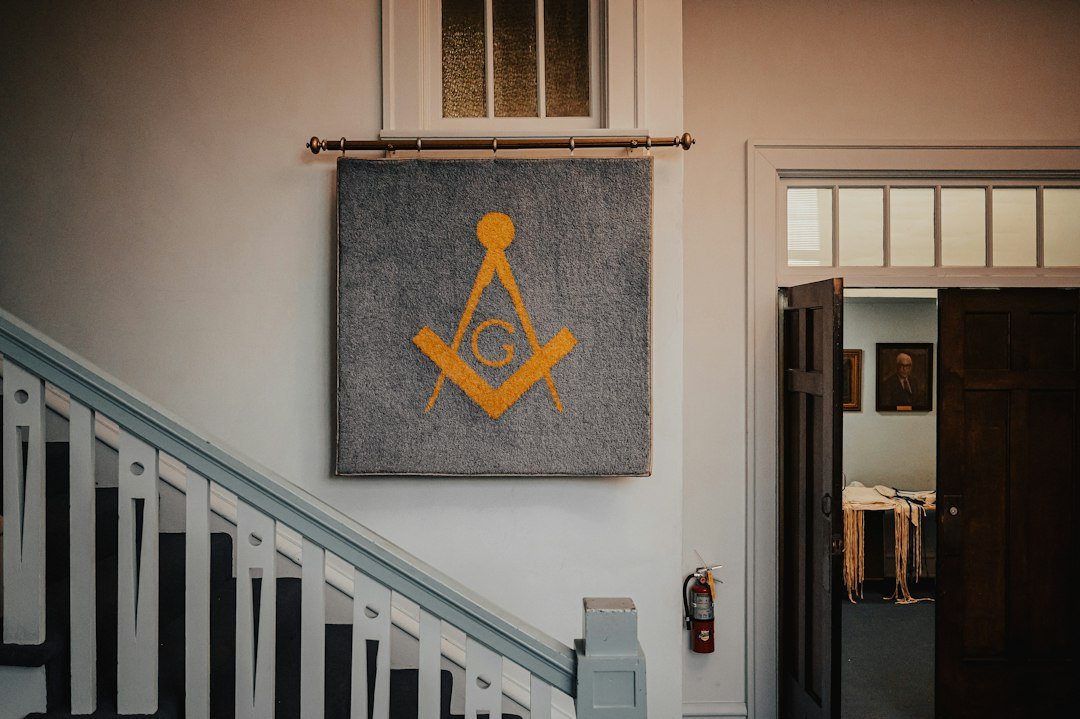
Featured photograph: real Masonic symbolism shown for context; not a photograph of Bosschaert’s painting.