INVESTIGATION | Updated November 10, 2026. The newest warning about weight-loss injections is not about the first dose. It is about the last. A study published in The Lancet Regional Health – Europe on November 9 links discontinuing GLP-1 treatment in people with type 2 diabetes to roughly twice the combined rate of heart attack, stroke or death compared with continued treatment. On the very same day, the U.S. Food and Drug Administration announced new warnings about a rare, potentially vision-threatening eye condition during GLP-1 use.
Both findings deserve scrutiny. Neither justifies the claim that these medicines are universally dangerous, or that everyone who stops one will suffer a cardiac event. The more interesting question is whether a drug marketed in popular culture as a convenient route to weight loss is actually the beginning of a complex, long-term medical commitment.
The original study: what investigators found, and what they did not
The paper is “GLP-1 receptor agonist discontinuation and cardiovascular events and all-cause mortality in people with type 2 diabetes: a retrospective cohort study”, by Antonio Ceriello and colleagues, published November 9, 2026. The Independent covered it on November 10.
Using clinical records from 301 diabetes clinics in Italy, researchers identified 80,302 people with type 2 diabetes who had begun GLP-1 treatment and had no previously established cardiovascular disease. A matched comparison included 28,713 people who discontinued therapy and 28,713 who continued. Reporting on the study describes approximately four combined events—nonfatal heart attacks, nonfatal strokes or deaths from any cause—per 100 people per year among those who stopped, versus roughly two per 100 per year among those who stayed on treatment.
The methodological catch matters more than the headline: this is an observational study. A higher rate in people who stopped does not establish that withdrawal caused the outcomes. Treatment intolerance, frailty, serious underlying illness, access to care, cost or other unmeasured factors could affect both discontinuation and health. The reasons for stopping were not recorded. The researchers studied people with diabetes, not the general population using the drugs only for obesity; tirzepatide was not included. Independent expert reaction warns specifically against presenting the association as proof of harm caused by cessation.
What GLP-1 drugs do inside the body
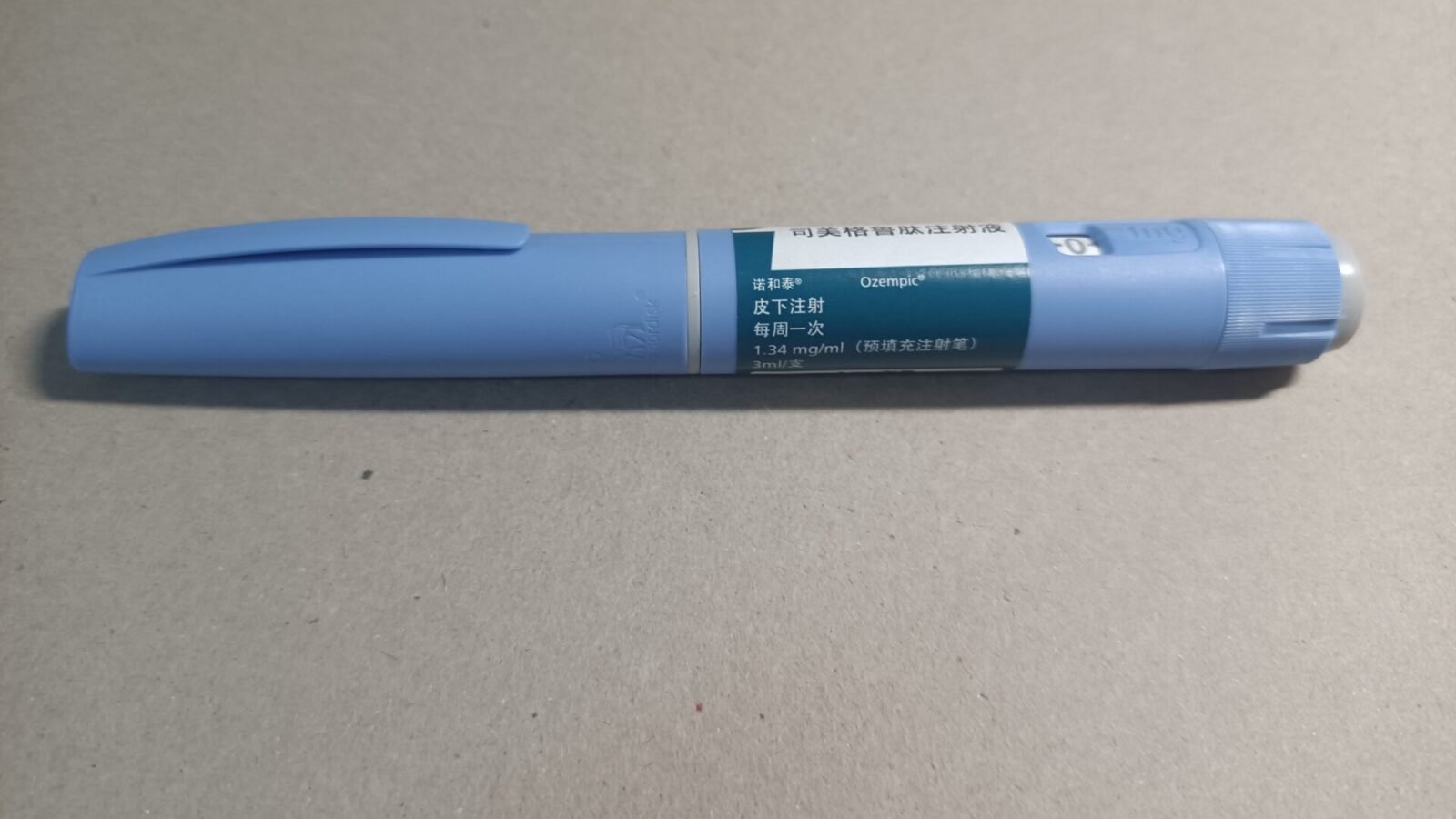
GLP-1 receptor agonists act on receptors involved in insulin secretion, glucagon regulation, appetite and gastric emptying. Semaglutide is the active ingredient in Ozempic and Wegovy; tirzepatide, in Mounjaro and Zepbound, activates both GLP-1 and GIP receptors. Their exact indications, dosages and risk profiles differ. By reducing appetite and slowing the rate at which food leaves the stomach, some formulations can produce substantial weight loss while also improving glycemic control. Studies in specific patient groups have documented cardiovascular and kidney benefits. These are genuine therapeutic effects, not merely cosmetic changes.
In the randomized SELECT trial, involving 17,604 people with overweight or obesity and established cardiovascular disease but without diabetes, major cardiovascular events occurred in 6.5% assigned semaglutide and 8.0% assigned placebo over a mean 39.8 months. That is a 20% relative reduction and a 1.5-percentage-point absolute difference. This evidence of benefit must be weighed against treatment burden and adverse effects; it does not answer how best to stop the drug.
Stopping the injections: the best-established consequence is weight regain
The STEP 1 extension tracked 327 participants after the original semaglutide trial. After 68 weeks of therapy, semaglutide recipients had lost an average 17.3% of their starting weight. During the next year without the medicine and without the trial’s structured lifestyle support, they regained 11.6 percentage points—about two-thirds of what they had lost. Many cardiometabolic markers drifted toward their earlier values, although average weight remained below baseline.
The SURMOUNT-4 randomized withdrawal trial offers stronger evidence for the consequences of ceasing tirzepatide. Following a 36-week run-in averaging 20.9% weight loss, 670 adults were randomized to continue the medication or receive placebo. During the ensuing 52 weeks, those switched to placebo gained 14.0% from their randomization weight, whereas those continuing treatment lost another 5.5%. These are treatment-group averages—not a prediction for every patient.
Does that mean the drugs permanently “damage metabolism”? No. As appetite-suppressing medication wears off, the physiological pressures that favored weight gain may re-emerge. The evidence demonstrates rebound after withdrawal, not that taking the drugs produces a uniquely destructive withdrawal syndrome. A 2026 Cleveland Clinic real-world study of 7,938 former users found relatively little average regain one year later, but many had restarted treatment or received alternative care. The difference illustrates why carefully controlled withdrawal trials and everyday practice can look different.
Cardiovascular risk after stopping: loss of protection or actual rebound?
The distinction is critical. If a drug protects the heart while it is being taken, stopping it may remove that protection. That is not the same thing as proving that stopping makes the heart worse off than it would have been without any treatment at all.
A separate March 2026 BMJ Medicine study, based on U.S. Veterans Affairs records, also associated interrupted and discontinued GLP-1 treatment with diminished cardiovascular benefit. But it too used observational data and cannot eliminate every difference between people who stop and people who continue. The Italian and U.S. studies are a signal that continuity matters, not a randomized demonstration of a toxic withdrawal effect.
The adverse effects that deserve more attention
1. Digestive symptoms can be frequent—and sometimes severe
FDA-authorized Wegovy labeling reports gastrointestinal adverse reactions in 73% of adults receiving the injection versus 47% receiving placebo in weight-reduction trials. Nausea affected 44% versus 16%; vomiting, 25% versus 6%; and diarrhea, 30% versus 16%. Severe gastrointestinal reactions occurred in 4.1% versus 0.9%. Those figures come from specific trials of Wegovy injections—not all GLP-1 medicines. Common does not necessarily mean medically harmless: persistent vomiting or diarrhea can lead to dehydration and impaired kidney function.
2. Gastroparesis, ileus and intestinal obstruction
Delayed stomach emptying is part of how these drugs work. In vulnerable patients, impaired motility may become a serious clinical problem. Wegovy is not recommended for people with severe gastroparesis. Postmarketing labeling also lists ileus, intestinal obstruction and severe constipation, including fecal impaction. Spontaneous reports establish that events were reported, but they cannot on their own determine how often the drug caused them. A 2026 large matched-record study observed more diagnosed gastroparesis among GLP-1 users but did not show increased bowel-obstruction risk. The findings are not interchangeable.
3. Gallbladder disease and pancreatitis
Rapid or substantial weight reduction can increase gallstone risk. The Zepbound prescribing information reports gallbladder inflammation (cholecystitis) in 0.7% of tirzepatide-treated participants versus 0.2% of placebo recipients in pooled weight-loss trials. Acute pancreatitis has been observed and is a serious warning, although the size of any causal increase across different medications and patient populations remains uncertain. Persistent, intense abdominal pain—especially radiating to the back—warrants immediate medical assessment.
4. Kidney injury can follow dehydration
Severe nausea, vomiting, diarrhea and inadequate fluid intake can reduce circulating blood volume. Both semaglutide and tirzepatide labels warn about acute kidney injury associated with volume depletion. The mechanism matters: this should not be confused with proof that appropriately prescribed GLP-1 medicines broadly destroy kidneys; some have demonstrated benefits for selected patients with chronic kidney disease.
5. Some of the weight lost is lean mass
In an exploratory STEP 1 body-composition analysis, semaglutide participants lost 19.3% of total fat mass and 9.7% of lean body mass. Their proportion of lean mass nevertheless increased because fat fell faster. “Lean mass” is not identical to functional skeletal muscle, and these measurements do not prove that every patient becomes weak. Still, rapid loss accompanied by low protein intake and inadequate resistance exercise can matter, especially for older adults. Nutrition and strength preservation should be part of the treatment plan from the outset.
6. The FDA’s November 9, 2026 class-wide vision warning: the actual evidence
What changed: On November 9, 2026, the U.S. Food and Drug Administration required all GLP-1 receptor agonist application holders to add new information to the Warnings and Precautions section about a potential increased risk of non-arteritic anterior ischemic optic neuropathy (NAION). The action encompasses older GLP-1 agents, semaglutide medicines including Ozempic and Wegovy, tirzepatide medicines including Mounjaro and Zepbound, and the oral GLP-1 medicine Foundayo (orforglipron). The FDA did not announce a recall or recommend that all users stop treatment.
What NAION is: a condition involving insufficient blood flow to the front of the optic nerve. It can cause sudden, painless loss of vision in one eye, sometimes noticed upon waking, and the loss can be permanent. Symptoms can include a blind spot, tunnel vision, reduced central clarity and distorted color perception. Existing risk factors include diabetes, hypertension, sleep apnea, smoking, anemia and kidney disease; those same conditions complicate efforts to determine which events are caused by a medication.
The FDA’s trial evidence: its pooled analysis combined 126 randomized controlled trials and 134,253 participants, representing 288,879 person-years of exposure. The regulator identified 15 probable NAION events: 10 among 78,217 GLP-1 recipients and five among 56,036 participants receiving a comparator. This translated to 6.4 events per 100,000 person-years with GLP-1 therapy versus 3.8 per 100,000 person-years with placebo or another glucose-lowering medication: a difference of approximately 2.6 events per 100,000 person-years. This is a rare event, and these are exposure-adjusted rates, not percentages of patients.
Real-world results are not uniform: the FDA’s Sentinel observational analysis found 30–32 NAION cases per 100,000 person-years for GLP-1 recipients, 31 for SGLT-2 inhibitor recipients and 26 for DPP-4 inhibitor recipients. Compared with SGLT-2 inhibitors, the hazard ratio was 1.19 (95% confidence interval 0.91–1.54), not a statistically significant difference. Compared with DPP-4 inhibitors, the hazard ratio was 1.43 (95% CI 1.02–2.01), consistent with an increased association. Different populations and comparators help explain why these estimates differ from pooled trial rates; they should not be combined as though they measure identical baseline risks.
What remains uncertain: the FDA reported that available animal data did not reveal a mechanism by which these drugs might cause NAION. Adverse-event reports are difficult to interpret because the patients taking GLP-1 medicines often already have risk factors for the eye condition. Cases have been reported with every currently marketed GLP-1 RA product. The FDA judged the total evidence sufficient for a class-wide warning, not definitive proof that every drug in the class directly causes NAION.
What to do: sudden painless vision loss, new blind spots or other unexplained vision disturbance warrants immediate medical attention and prompt ophthalmology evaluation. The FDA advises clinicians to consider discontinuation if NAION develops unless the treatment benefits clearly outweigh the risk. Someone who has already had NAION should discuss medication decisions with their clinician rather than independently continuing or stopping treatment. FDA MedWatch patient and clinician guidance provides an accessible summary.
7. Anesthesia and aspiration
Delayed gastric emptying means food may remain in the stomach longer than expected. Aspiration of stomach contents during general anesthesia or deep sedation has been reported. Patients should disclose GLP-1 use to their surgical or anesthesia team rather than independently guessing when to withhold their drug; procedural instructions should be individualized.
8. Contraception, pregnancy and medication absorption
Tirzepatide can reduce absorption of oral hormonal contraceptives, particularly after treatment begins and after dose increases. Zepbound labeling advises an additional barrier method or non-oral contraception for four weeks after starting and for four weeks after each dose escalation. These medications are not intended for weight loss during pregnancy; pregnancy planning should be discussed with the prescribing clinician. Gastric-emptying changes can also affect other time-sensitive oral medications.
9. Blood-sugar lows and other less-publicized reactions
Hypoglycemia is a particular concern when GLP-1 treatment is combined with insulin or certain diabetes tablets such as sulfonylureas. The labels also describe allergic reactions, possible changes in heart rate, hypotension or fainting related to volume loss, hair shedding during significant weight reduction, and altered skin sensations. Wegovy labeling reports dysesthesia at higher frequency with certain higher doses; this does not mean every formulation has the same rate.
10. Thyroid cancer warning: what it really means
Semaglutide and tirzepatide carry boxed warnings because thyroid C-cell tumors occurred in rodent studies. Whether those findings translate to medullary thyroid cancer in humans is unknown. The medicines are contraindicated for people with a personal or family history of medullary thyroid carcinoma or multiple endocrine neoplasia type 2 (MEN2). A rodent warning should not be rewritten as proof that the medicines cause thyroid cancer in human users.
What about depression, suicidal thoughts or addiction?
This is where caution about alarming claims cuts both ways. In January 2026, after reviewing randomized trials and observational evidence, the FDA requested removal of suicidal-ideation and behavior warnings from GLP-1 weight-loss drug labels because it found no increased risk. Individual mental-health symptoms deserve evaluation, but available evidence does not support presenting suicidality as an established class-wide harm.
Nor is needing long-term treatment equivalent to addiction. When effective treatment is discontinued, symptoms of a chronic illness may return. That is not, by itself, evidence of drug dependence. The unanswered question is how to identify patients who can eventually maintain benefits without continued injections—and what support they will need.
The risk patients may not see on the prescription label: access and the exit plan
Cost, coverage changes, shortages and side effects can turn a theoretically long-term treatment into a short course. In a study of 125,474 adults, discontinuation within one year was common, especially among people without type 2 diabetes. If stopping often reverses benefits, affordability and continuity become clinical issues, not just consumer inconveniences.
Those considering a planned discontinuation should discuss why they are stopping, other glucose-lowering treatments when needed, nutrition and resistance training, how weight, blood pressure and blood sugar will be monitored, and whether different therapy or future reinitiation makes sense. There is not yet strong evidence that a particular tapering schedule reliably prevents regain. Someone with diabetes should not simply abandon an effective glucose-lowering regimen without a replacement plan.
The unanswered question
The strongest evidence says these medications can benefit appropriate patients, can produce meaningful adverse effects, and often lose some weight-related benefits when stopped. The new Italian study adds a serious cardiovascular association, but not proof of a dangerous “withdrawal shock.” Meanwhile, the FDA’s November 9 warning shows that safety evaluation is still evolving as exposure grows.
Perhaps the most revealing question is not whether a celebrated injection has side effects. Every effective medicine does. It is whether patients are being given a realistic picture of the likely duration, monitoring, costs, exit strategies and unanswered questions before they begin.
Question. Investigate. Reconsider.
Primary sources and further reading
- Ceriello et al., The Lancet Regional Health – Europe (2026): GLP-1 discontinuation and cardiovascular outcomes
- Science Media Centre: independent expert cautions, November 9, 2026
- FDA: new NAION warning, November 9, 2026
- FDA-authorized Wegovy prescribing information; Zepbound prescribing information
- STEP 1 semaglutide extension (2022); SURMOUNT-4 tirzepatide withdrawal trial (2024)
- SELECT randomized cardiovascular outcome trial; 2026 U.S. veterans discontinuation analysis
- Cleveland Clinic: treatment patterns and weight changes after discontinuation (2026)
- FDA: psychiatric safety review, January 13, 2026
Medical information, not individualized clinical advice. Severe abdominal pain, persistent inability to keep fluids down, sudden vision loss, or possible heart attack or stroke symptoms require timely or emergency care as appropriate.
Featured photograph: “Ozempic® 3ml” by HualinXMN, CC BY-SA 4.0, via Wikimedia Commons. Documentary product image; not a participant or scene from the Italian study. License: CC BY-SA 4.0.