Britain is proposing tighter rules for a technology police are already deploying: cameras that scan faces and compare them with watchlists. On November 4, 2026, the Home Office announced a plan for a clearer legal framework covering law-enforcement facial recognition. The central tension is hard to miss: the government calls the technology a public-safety breakthrough, even as it concedes that oversight needs strengthening.
What ministers say will change
The announced proposals include an independent watchdog, a police code of practice, and rigorous independent tests for bias relating to age, sex, and race. The Home Office also says deployments should be intelligence-led and proportionate—used when officers have grounds to believe wanted people may be present in an area, rather than as an open-ended fishing expedition.
In serious cases, the proposed oversight system could seek a court injunction to stop a force using a technology that breaches regulations. A separate code is also contemplated for private businesses using face matching to combat crime. These are announced plans, not evidence that Parliament has already enacted every safeguard.
The effectiveness numbers need context
The Home Office cites a Croydon trial of static live facial recognition cameras between October 2025 and March 2026, saying it led to 173 arrests. It also cites local crime comparisons against the prior year. Those figures describe the government’s case for adoption; they do not, by themselves, establish that cameras caused every reported change in crime. Weather, enforcement patterns, policing, and other local factors can also affect comparisons.
The critical questions involve false matches, retention of images, demographic performance, and whether people not suspected of wrongdoing are routinely scanned. A human officer making the final arrest decision does not eliminate the need to audit the software and the watchlist.
Who decides when a face becomes a lead?
Policing can benefit from a reliable lead. It can also harm an innocent person when a flawed match is treated as certainty. A serious legal framework would require public reporting of error rates, watchlist rules, and the circumstances in which surveillance is justified. Public trust cannot be declared from a podium; it has to survive independent scrutiny.
Sources: Home Office announcement, November 4, 2026; Government response to consultation.
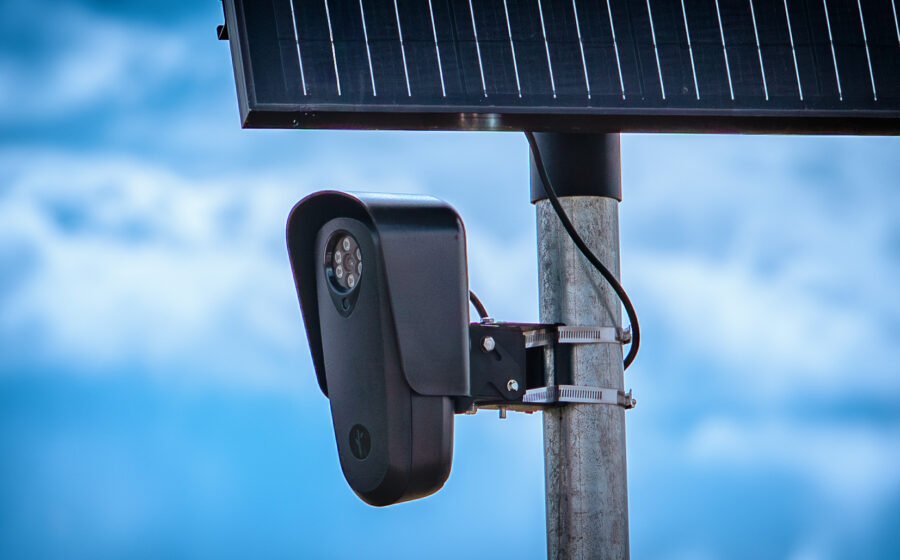
Featured photograph: contextual real surveillance cameras, not the equipment in the Croydon trial.