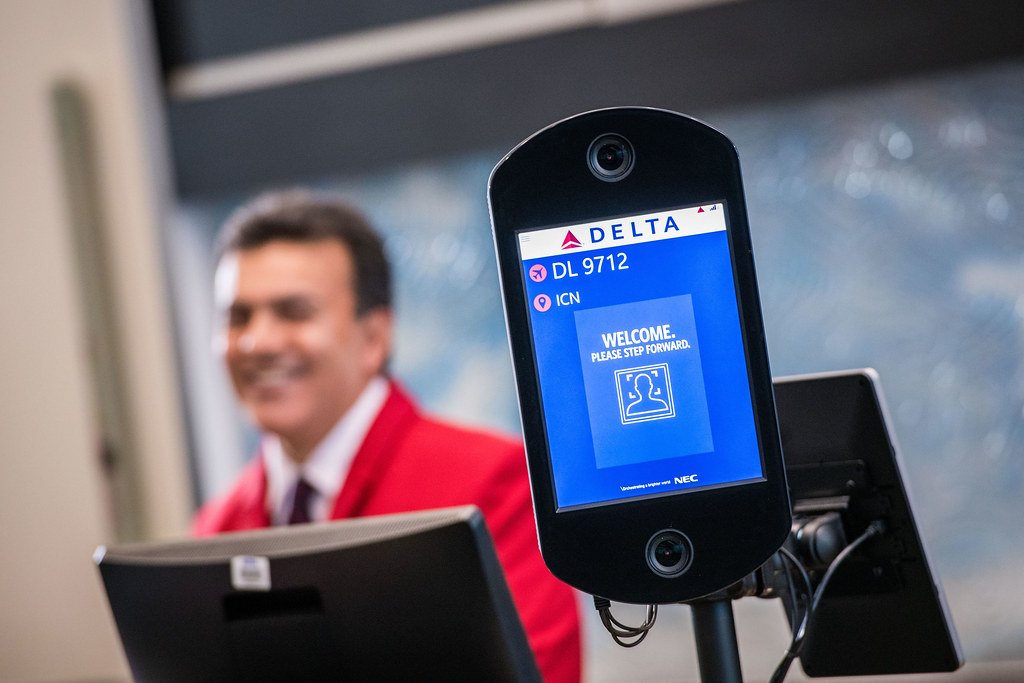
Facial recognition is often sold as a shortcut to certainty: a face in, a name out. Federal auditors have spent years documenting the harder questions about accuracy, privacy, training and vendor oversight. In updates visible in March 2026, some Government Accountability Office recommendations remained open or only partially addressed.
What the audit trail shows
A GAO review of federal law-enforcement use of facial recognition services identified deficiencies in tracking systems and assessing their risks. Its later recommendation-status updates describe efforts by several agencies to establish policies and oversight mechanisms, but also instances in which GAO still awaited proof those mechanisms were fully implemented.
Matching is not identifying
Even a technically strong similarity score can be wrong, particularly if image quality is poor or investigators treat a candidate as a confirmed identification. The risk is not just a mistaken arrest but invisible secondary use of biometric data. GAO also has documented gaps in mandatory training and civil-rights-focused policies among multiple federal agencies.
The question for agencies
Which products were approved? What tests demonstrate accuracy across relevant conditions? Are searches audited? Can errors be corrected? The strongest policy is not a promise that the technology is responsible, but a record showing that someone checked the answers and can challenge them.
Sources and documents
- GAO agency risk and recommendation tracking, updated in 2026
- GAO facial recognition training and civil rights review
Question. Investigate. Reconsider.