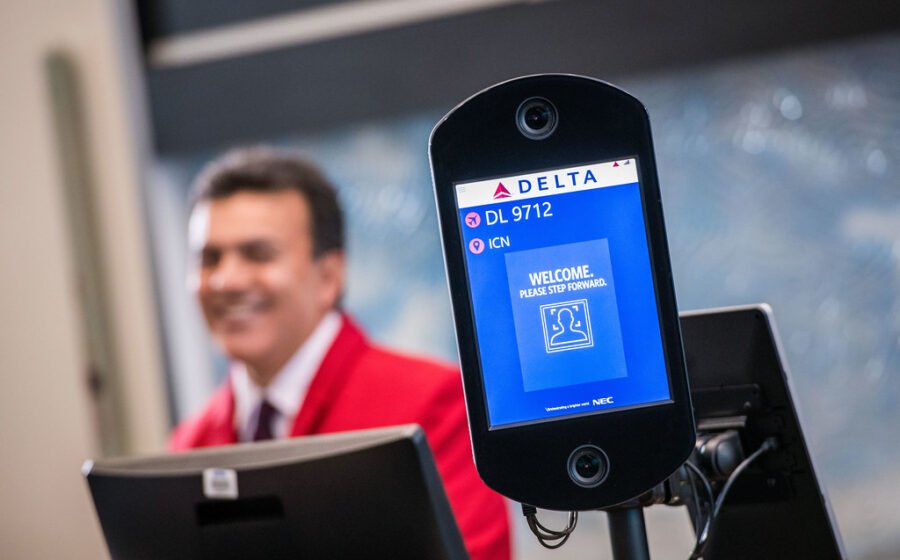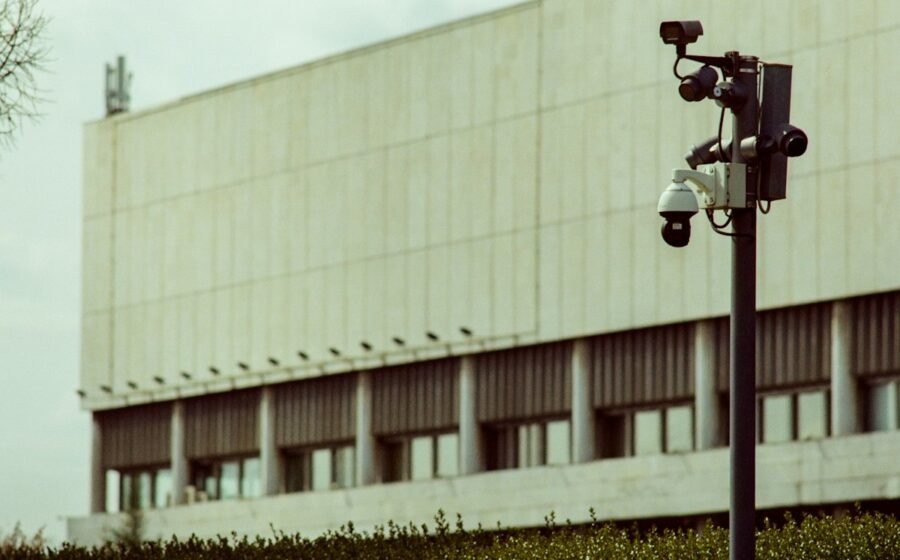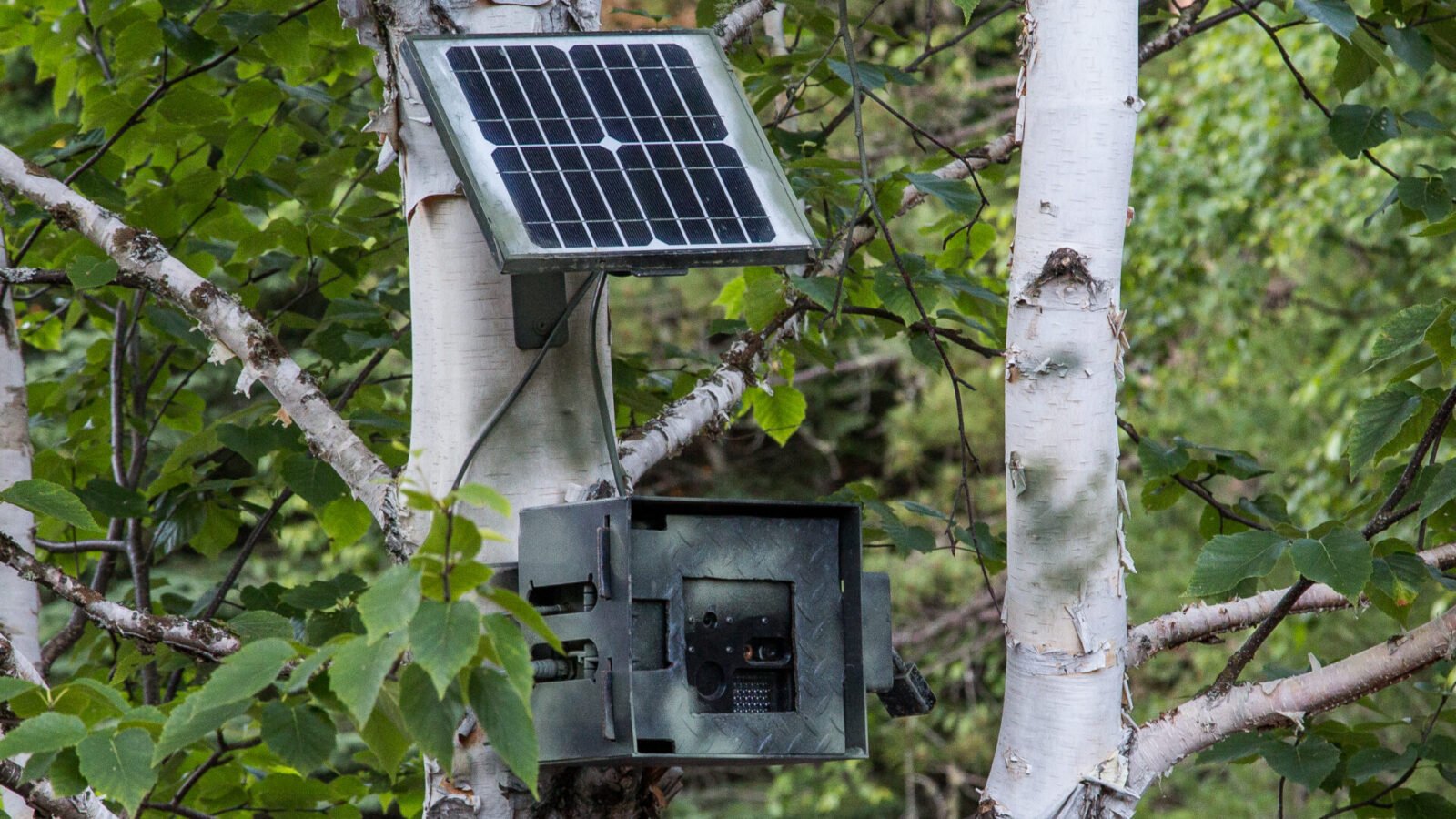
A pole-mounted camera can watch one corner; a coordinated network can reconstruct movements across a city. The Government Accountability Office has documented more than 20 types of detection and monitoring technologies used by Department of Homeland Security law enforcement agencies, alongside gaps in privacy protections.
What the review found
GAO’s December 2024 report examined fiscal-year 2023 usage that included drones, facial recognition and automatic license-plate readers. The office said DHS agencies did not always incorporate key privacy protections into relevant policies, including limiting collection to information that actually matters. It also noted uneven evaluation of possible bias.
A tool is not a warrant
Surveillance in public places presents different legal questions from entering a private home. But the fact that a camera can technically observe something does not end the questions about retention, sharing, aggregate movement tracking or downstream uses. The watchdog called for stronger safeguards. Its report does not prove that every agency or camera has violated civil rights.
Follow the deployment, not the marketing
A meaningful audit asks where equipment operates, what data it captures, how long records are kept, who can search them and what independent process investigates misuse. The next useful story is whether DHS implemented the recommendations and documented the results, not whether an isolated camera looks ominous on a street corner.
Sources and documents
Question. Investigate. Reconsider.