APEP BAR INVESTIGATION | PART ONE
What happens when the institutions charged with protecting national security also help shape the entertainment Americans watch? The answer is not speculation: the Central Intelligence Agency and Department of Defense openly acknowledge working with filmmakers. The more difficult question is how those arrangements affect the stories that reach the public.
This first installment examines the documented mechanisms of government influence on film and television. Later installments will investigate historical cultural operations, the FBI, the Department of the Interior’s dealings with early Hollywood, and the military and government backgrounds of musicians’ families—including international cases that must be distinguished from U.S. federal employment.
The CIA’s official Hollywood connection
The CIA’s Office of Public Affairs maintains an Entertainment Industry Liaison. According to the agency, the liaison answers questions, helps correct inaccuracies, arranges interviews, supplies stock footage, and can coordinate filming at headquarters. This is not a theory about hidden control: it is an openly described government function.
In a February 2025 account, the CIA discussed its own history with Hollywood, including cooperation associated with the 1965 James Bond film Thunderball and more recent productions such as Argo and Jack Ryan. The agency says it values these relationships because popular culture shapes public impressions of intelligence work.
That admission establishes an institutional interest in public perception. It does not, by itself, establish that a particular filmmaker was compelled to alter a script or that every CIA-themed production is propaganda. Those stronger claims require project-specific documents.
The Pentagon’s script-review system
The Department of Defense’s influence is even more formally described. 32 CFR § 238.6 sets out production-assistance procedures, including written agreements and assigned project officers. Officers can advise productions, monitor use of military resources, and ensure filming adheres to an approved script and agreed support.
The department may provide technical expertise, installations, equipment and personnel under conditions set by its regulations. Government cooperation can be attractive to producers who want realistic military hardware and settings. At the same time, the military has a legitimate institutional interest in how its work is portrayed.
That exchange creates a potential source of editorial pressure. A production can refuse government assistance and proceed independently, but accepting access can come with obligations. The difference between voluntary consultation and conditional production support matters.
In June 2026, the Defense Department finalized revisions to these regulations, effective July 9, 2026, adding restrictions on assistance to productions that comply or are likely to comply with certain censorship demands from the Chinese government or Communist Party. The revision shows that entertainment assistance remains a live policy issue, not merely a Cold War relic. See the 2026 final rule.
Why access matters
Aircraft, ships, military bases, technical specialists and controlled locations can be costly or impossible for private studios to reproduce. Official assistance can make productions more convincing, while government review can influence what receives that assistance. The result is an institutional incentive structure, not necessarily a centrally coordinated conspiracy.
The central public-interest questions are straightforward: Which productions requested help? What scripts were submitted? What changes were requested? What assistance was ultimately granted? And what did audiences learn about the government’s role?
A historical warning: covert cultural sponsorship
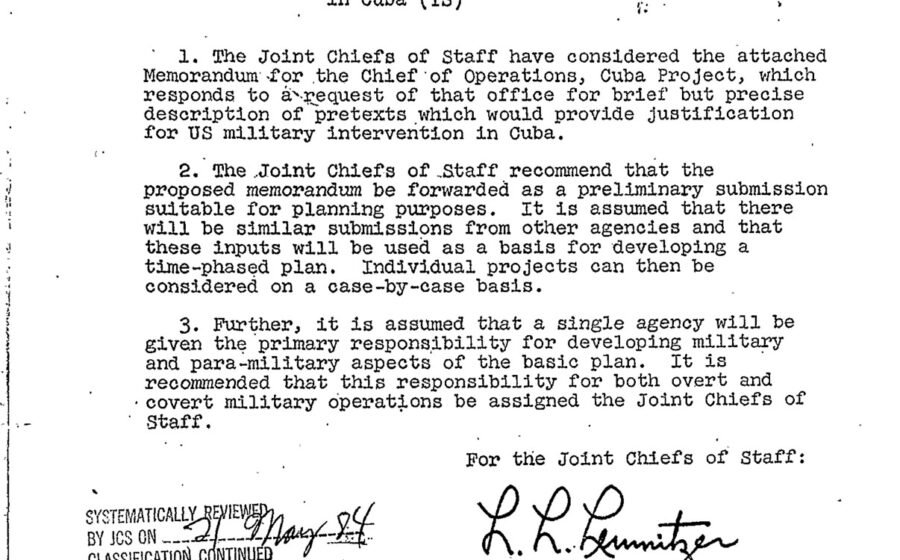
There is also precedent for undisclosed intelligence involvement in cultural life. During the Cold War, the CIA secretly supported the Congress for Cultural Freedom and associated cultural activities. The existence of that historical program demonstrates that cultural influence was once an intelligence objective. It does not prove that the same structure controls today’s entertainment industry.
What about music executives and government-connected families?
Our broader investigation will separately examine artists and executives with parents who served in the military, intelligence services, diplomatic posts or civilian government departments. For example, Jim Morrison’s father was a U.S. Navy admiral; Lyor Cohen’s parents have been described in published biographies as having Israeli military, diplomatic or security-related backgrounds. These are different categories of connection, and family employment is not evidence that a musician or executive acted for an intelligence service.
There is no defensible industry-wide count yet. A meaningful total requires a defined sample, independently checked biographies, and a comparison with the wider population. We will not turn a selective list into a misleading statistic.
The finding—and the limits
What is established: the CIA maintains an entertainment liaison; the Pentagon has formal production-assistance and script-review procedures; and U.S. intelligence has a documented history of covert cultural sponsorship.
What remains unproven: that the entire entertainment industry operates under intelligence control, or that artists with government-employed parents were recruited into coordinated operations.
Transparency—not insinuation—is the test. The public should be able to see when government institutions provide material help to entertainment productions and whether that assistance affects editorial decisions.
Source documents
- CIA Office of Public Affairs: Entertainment Inquiries
- CIA: The CIA and Pop Culture (2025)
- 32 CFR § 238.6: Defense Department production assistance
- Federal Register: 2026 DoD entertainment-assistance final rule
- Department of Defense: Production Assistance for Entertainment Projects
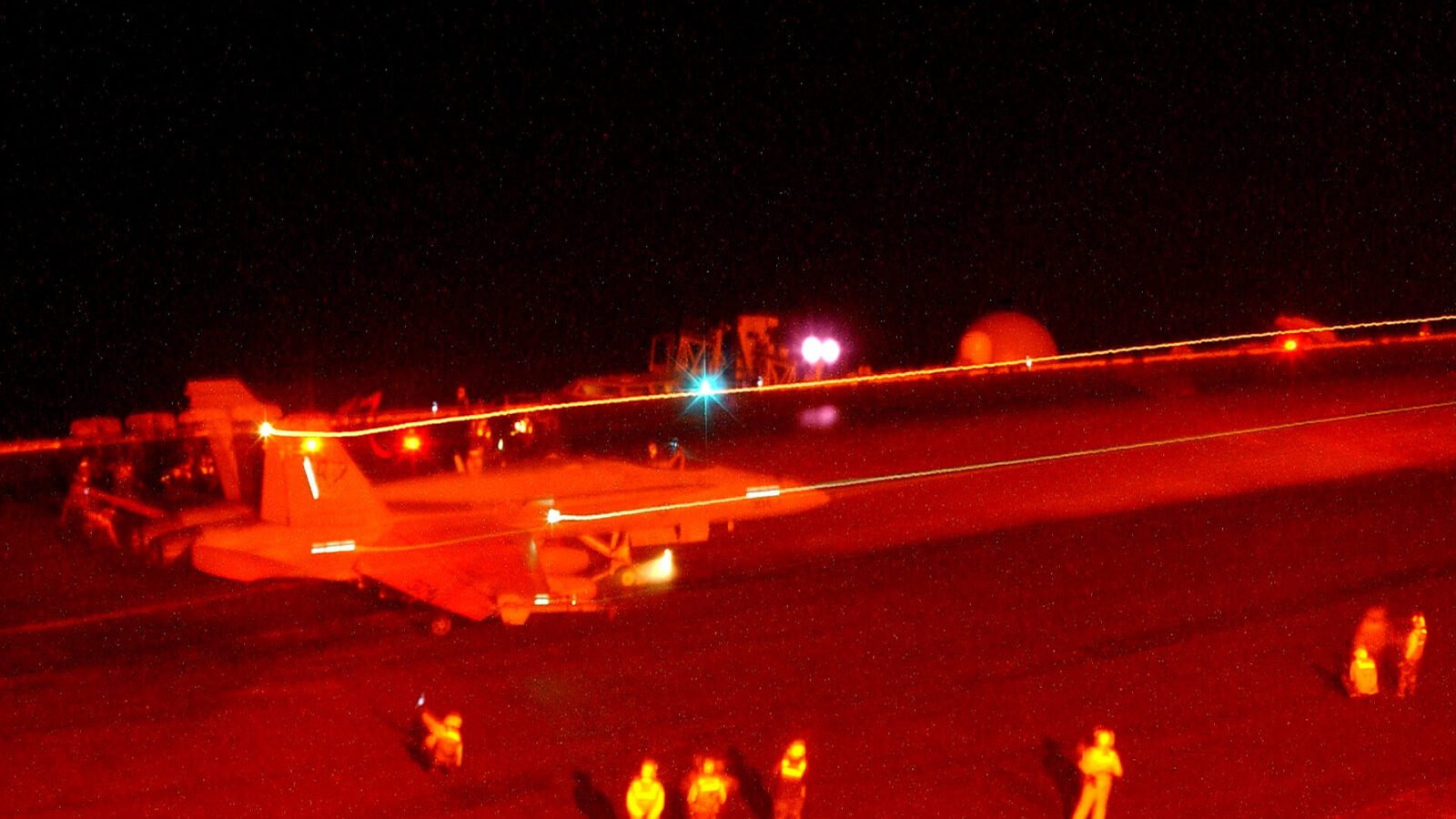
Editor’s note: The featured image is an authentic U.S. Navy photograph of an F/A-18 preparing for a night launch, photographed by Corey T. Lewis in 2002 (public domain). It illustrates military assets, not a specific film production or intelligence operation.
APEP BAR | Question. Investigate. Reconsider.