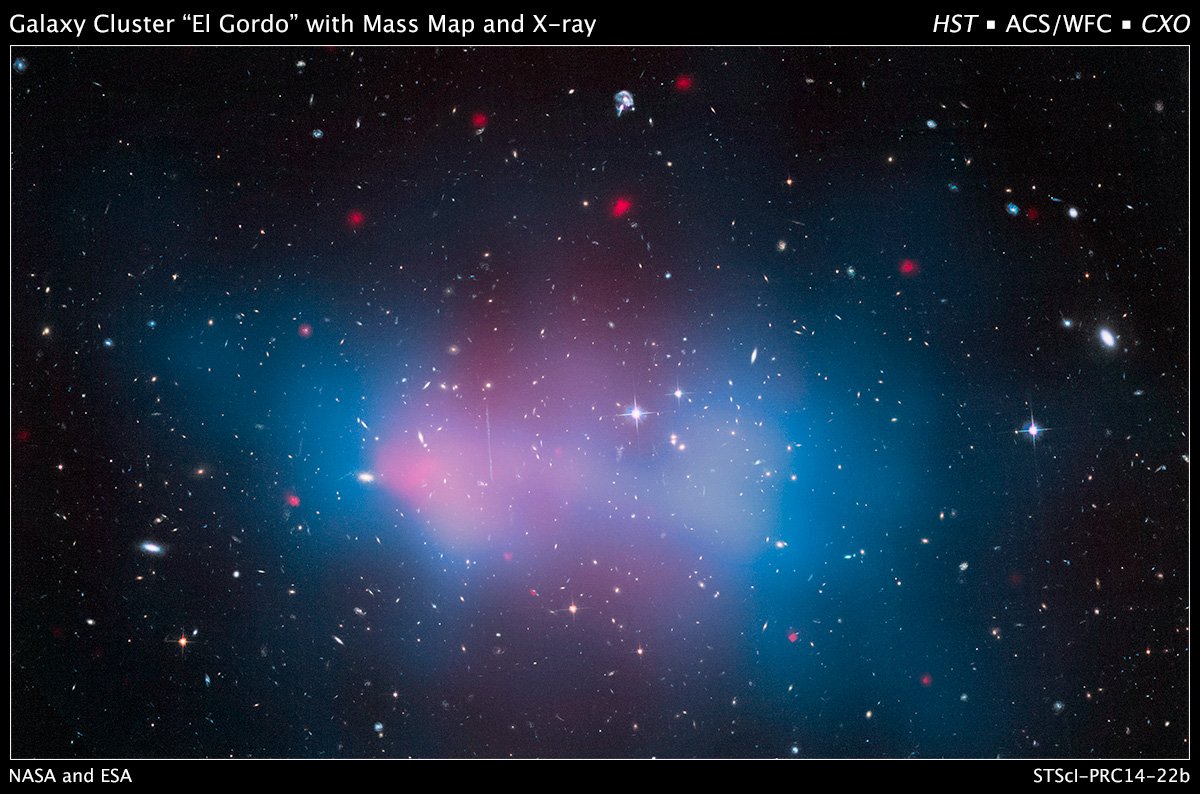
When galaxies move as though more mass is present than astronomers can see, there are at least two broad possibilities: something unseen supplies gravity, or our equations need adjustment on very large scales. The scientific argument is older than the latest space telescope, and it is not over merely because an impressive galaxy image looks convincing.
Why scientists favor dark matter
Galactic rotation, motions inside clusters and gravitational lensing provide multiple lines of evidence for additional gravitating mass. NASA’s dark-matter research summaries describe how studies of distorted background light and merging galaxy clusters strengthen that interpretation. However, nobody has yet established the underlying particle identity of the dark component.
The alternative challenge
Modified Newtonian Dynamics, or MOND, and related approaches attempt to explain some cosmic behavior by revising how gravity operates under particular conditions. Such models can capture some galaxy patterns, but face significant difficulties in clusters and across wider cosmological observations. A fair comparison asks both camps to make quantitatively different predictions and checks those predictions against independent data.
Where Euclid enters the argument
ESA lists testing gravity over cosmic distances among Euclid’s mission goals. Its November 2026 foundational data release contains a vast sample of galaxies and lensing candidates, but the follow-up cosmological analyses are still being developed. A catalog does not instantly validate either side. The most interesting outcome would be not a viral declaration of victory, but a measurement precise enough to rule out specific models.
Featured image is genuine astronomical imagery of the El Gordo galaxy cluster, contextual to gravitational-lensing and mass-mapping research, not a Euclid observation.