A company can have a registered address, familiar officers and a clean-looking application—and still conceal the person who ultimately controls it. A new federal report says that distinction matters when public money is on the line. The United States has rules for vetting contractors and grant recipients, but those rules do not always reveal who is really behind the business.
What the government is—and is not—asking
In a Government Accountability Office report published August 31 and publicly released September 30, 2026, auditors found that the federal award process generally does not require applicants to identify their ultimate beneficial owners. Officers and directors may be disclosed. But the listed individuals are not necessarily the people who exercise substantial control or receive the economic benefit.
GAO noted that federal law requires agencies to collect certain beneficial ownership information for federal contractors, yet the requirement had not been implemented at the time of its review. That creates an awkward gap between the idea of transparency written into law and what agencies can routinely verify in practice.
How an ordinary corporate structure can hide extraordinary risk
The report examines real fraud cases involving shell companies, stolen identities, misleading ownership arrangements and billing schemes. Some were aimed at government contracts and grants; others targeted federal health programs. These examples show methods, not a finding that all complex corporate structures are fraudulent.
A legitimate business may have investors, holding companies and subsidiaries for entirely lawful reasons. The investigative concern begins when ownership information necessary for eligibility, sanctions screening, conflict checks or fraud detection remains unavailable or misleading.
The unanswered screening question
GAO’s report describes situations in which public agencies have difficulty distinguishing the nominal registered owner from the person actually controlling an entity. Better information could help investigators identify ineligible individuals and connect related companies before fraud compounds. But collecting ownership records also creates responsibilities to keep sensitive details secure and to avoid treating routine privacy arrangements as evidence of wrongdoing.
The policy question, then, is not whether every business should be presumed suspicious. It is whether an agency awarding public funds has enough reliable information to determine whom it is paying, who benefits and whether legal restrictions apply. If a company is transparent on paper but opaque in reality, what exactly has the government verified?
Primary source and photo
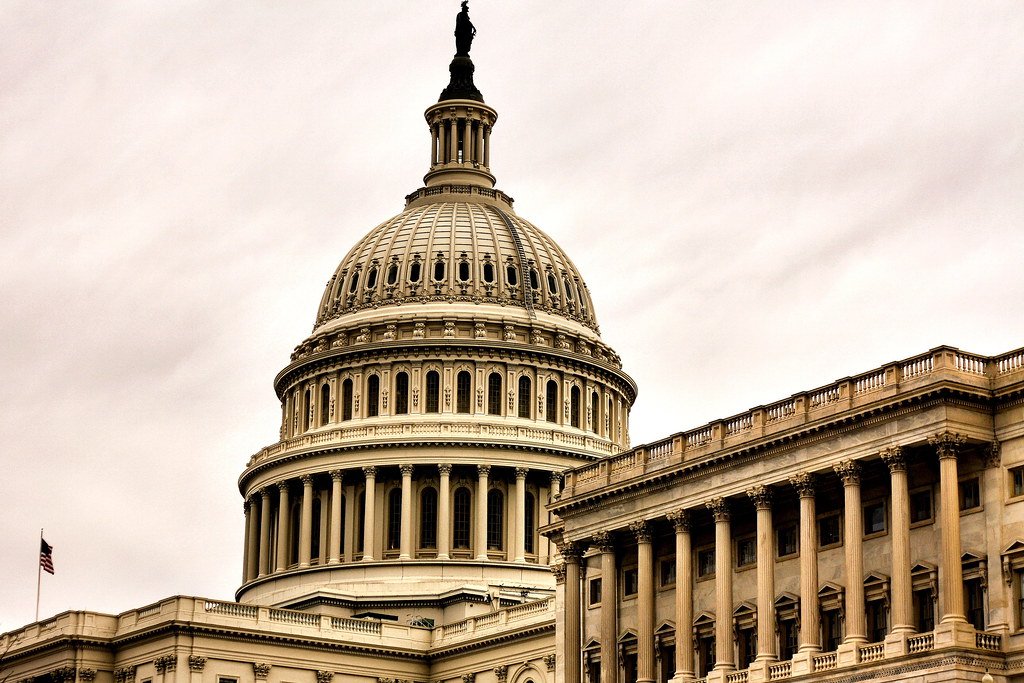
Featured photograph: United States Capitol by Phil Roeder, CC BY 2.0. The Capitol is a contextual image of federal oversight, not a depiction of any alleged fraudster.