Who pays to clean a toxic site after the damage is done? Congress intended the federal Superfund program to make responsible polluters do the work—or pay the government back when it steps in. But a federal audit released November 5, 2026, shows how difficult that principle can be to enforce in practice.
The Government Accountability Office estimated that the Environmental Protection Agency recovered less than half of approximately $25.8 billion spent at nonfederal National Priorities List sites from fiscal 1996 through 2024. That is a striking result. More striking still: GAO says the agency has not established a systematic way to measure how effective its recovery efforts are.
What the numbers actually cover
The audit examines 1,622 nonfederal priority-list sites, not every contaminated property in the United States. It looks at expenditures from the Superfund Trust Fund across a defined historical period. These are cleanup costs incurred by the government, not a tally of every private remediation bill. The distinction matters before anyone attempts to turn the figure into a sweeping claim about all industrial pollution.
GAO also warns that the shortfall is a point-in-time estimate: cost-recovery proceedings can take years, and some money may still be collected. “Unrecovered so far” does not automatically mean “legally unrecoverable forever.”
Finding the polluter is not the same as getting paid
EPA identified at least one potentially responsible party for most nonfederal sites examined, according to the audit. Yet identification alone does not guarantee recovery. A company may no longer exist, ownership can be tangled, liability can be contested, and some parties lack sufficient funds.
GAO also cited challenges including a decline in experienced staff searching for potentially responsible parties over the preceding decade or more, alongside legal limits on the agency’s ability to impose liability. Taken together, those obstacles complicate the familiar promise that the polluter, rather than the public, will bear cleanup costs.
Three recommendations, one unfinished question
GAO recommended that EPA set goals for recovery effectiveness, collect meaningful performance data, and use that information to guide decisions. EPA agreed. Those are process changes rather than a promise to collect a particular dollar amount, but they could reveal which approaches work and where resources are being lost.
The report raises a clear accountability question: if taxpayers finance the cleanup today, who can show them precisely what was pursued, what came back, and why the rest did not?
Primary record and photo
U.S. Government Accountability Office, GAO-27-107925, released November 5, 2026.
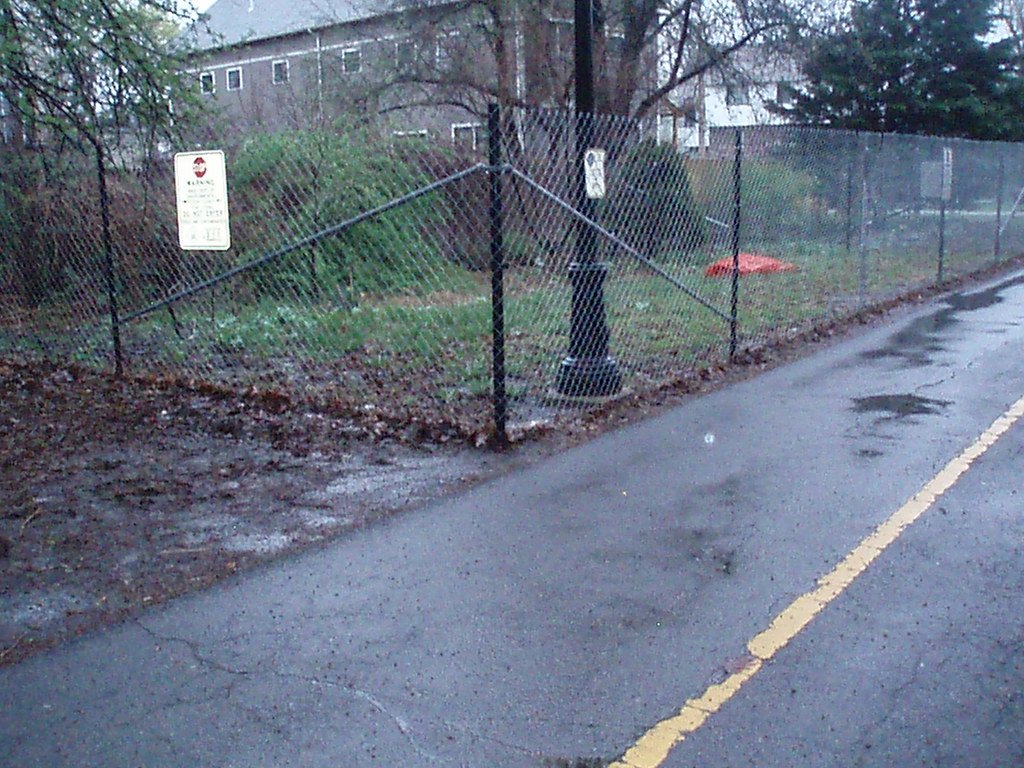
Featured photo: Massachusetts Department of Environmental Protection’s real image “Somerville, MA – Contaminated Soil Along Bike Path,” CC BY 2.0. It illustrates contaminated-soil concerns but is not presented as a site in GAO’s audit sample.