Forget the black helicopter. For a period of the Cold War, American intelligence engineers considered a surveillance platform so ordinary that it could disappear into almost any city skyline: a pigeon. The strange part is not an internet rumor. The CIA displays the miniature camera in its own museum, with the explanation that missions using it remain classified.
A camera beneath the feathers
According to the CIA’s artifact record, the Office of Research and Development built a camera small enough to ride on a pigeon’s breast. A tiny battery-driven motor advanced the film and reset the shutter. The device could begin taking still photographs immediately or after a timed delay, allowing the bird to take pictures as it returned toward its home roost.
The museum lists its dimensions at just 4.7 by 2.4 by 2.2 centimeters. This was no modern GPS-guided drone: it was analog, mechanical and dependent on an animal’s flying behavior. But that dependency was also the disguise. Among thousands of unremarkable birds, an equipped pigeon could pass largely unnoticed.
Why use a bird when you already have spy planes?
The CIA’s explanation is straightforward: a pigeon could take pictures from hundreds of feet above the ground, rather than the much greater altitudes used by aircraft and satellites. That potentially gave analysts sharper detail over a selected location. It is an ingenious solution to one surveillance problem—until another problem appears.
The agency says the pigeon-camera effort ultimately proved ineffective because the birds could not reliably be made to cross the specific places intelligence officers wanted photographed. Their instinct to find their way home was real. Their enthusiasm for obeying an intelligence targeting list was not.
The secret still inside the secret
We can verify the hardware, method and stated limitations. We cannot, from the released artifact record, establish precisely where these pigeons flew, what images particular missions produced, or what operations the agency kept hidden. The CIA explicitly says details of pigeon missions remain classified. That boundary matters: a genuine museum object does not license invented spy stories.
The agency also hosts its own short video, “The Debrief: Behind the Artifact – Spy Pigeon,” alongside images of the real equipment. The mystery here is not whether the miniature camera existed. It did. The question is what the birds saw before the program was judged impractical.
Primary source and photo credit
CIA Museum, Pigeon Camera: photographs, specifications, explanation and agency video.
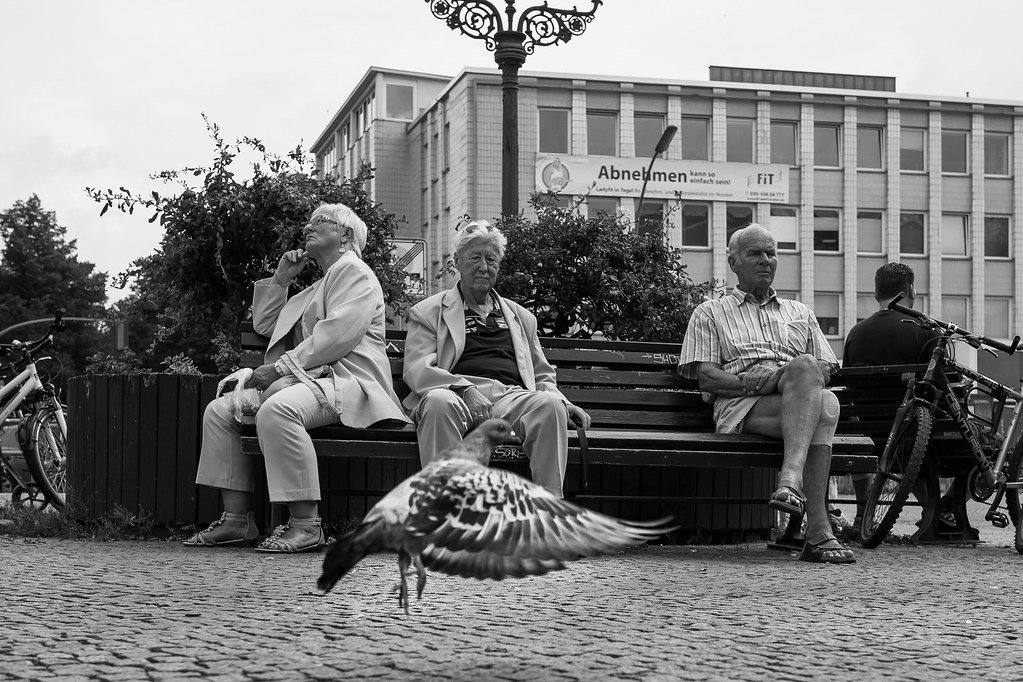
Featured image: “When the pigeon fly,” a real photograph by Christian Schirrmacher, CC BY 2.0. It depicts an ordinary pigeon—not one of the CIA’s equipped birds.