Apep Bar Special Investigation | October 31, 2026
Who shapes Texas law—and how can residents tell when influence crosses state or national borders? The question deserves documentary scrutiny, not an assumption that all foreign investment is illicit or that Texas lawmakers are controlled by foreign governments.
Foreign lobbying: Texas House Bill 119
In 2025, Texas enacted House Bill 119, addressing registration and compensation for lobbying on behalf of designated foreign adversaries. The measure took effect September 1, 2025. Its existence reflects lawmakers’ stated concern about foreign-government attempts to shape policy. It does not prove that any particular Texas law was written at a foreign government’s direction. Investigators should compare registered lobbyists, clients, expenditures, and the timing of bills and amendments.
Foreign land ownership: Senate Bill 17
Senate Bill 17, also effective September 1, 2025, restricts certain purchases of Texas real estate by individuals and entities connected to designated countries, including China, Russia, Iran and North Korea. The law provides for attorney general enforcement and penalties. Supporters cite critical infrastructure and national security; critics raise questions about property rights, discrimination and federal authority. The Texas Tribune’s legislative reporting documents both the security rationale and civil-rights objections.
What does “foreign influence” actually mean?
Foreign direct investment, lobbying by a foreign client, diplomatic advocacy, undisclosed agency for a foreign government, cyber espionage, and bribery are distinct activities. Some are legal and disclosed; others may violate state or federal law. An investigation should identify the foreign principal, the domestic intermediary, any money or benefit, the policy requested, and the documentary link to an official action.
Follow the records
Texas residents can inspect Texas Ethics Commission lobbyist and campaign-finance disclosures; Texas Legislature Online bill authorship, amendments, testimony and voting records; and the US Justice Department’s Foreign Agents Registration Act disclosures. Federal FARA filings and state lobby registrations cover different legal duties and neither alone establishes wrongdoing.
Three testable questions
- Which foreign governments, state-owned enterprises or foreign-funded organizations retained advocates who approached Texas officials, and what did they seek?
- Did proposed bill language or amendments track requests from those advocates, and what do contemporaneous hearings and communications show?
- Were legally required lobbying, campaign-finance or foreign-agent disclosures made accurately and on time?
Conclusion
Texas has enacted laws aimed at limiting certain forms of foreign influence, but whether a particular law was improperly shaped by foreign interests is a separate evidentiary question. The public deserves traceable records: names, dates, contracts, payments, amendments and votes. A claim of foreign control should not be made without them.
Primary sources: SB 17 enacted text; HB 119 enacted text; Texas Attorney General’s March 2026 rulemaking announcement; Texas Tribune reporting.
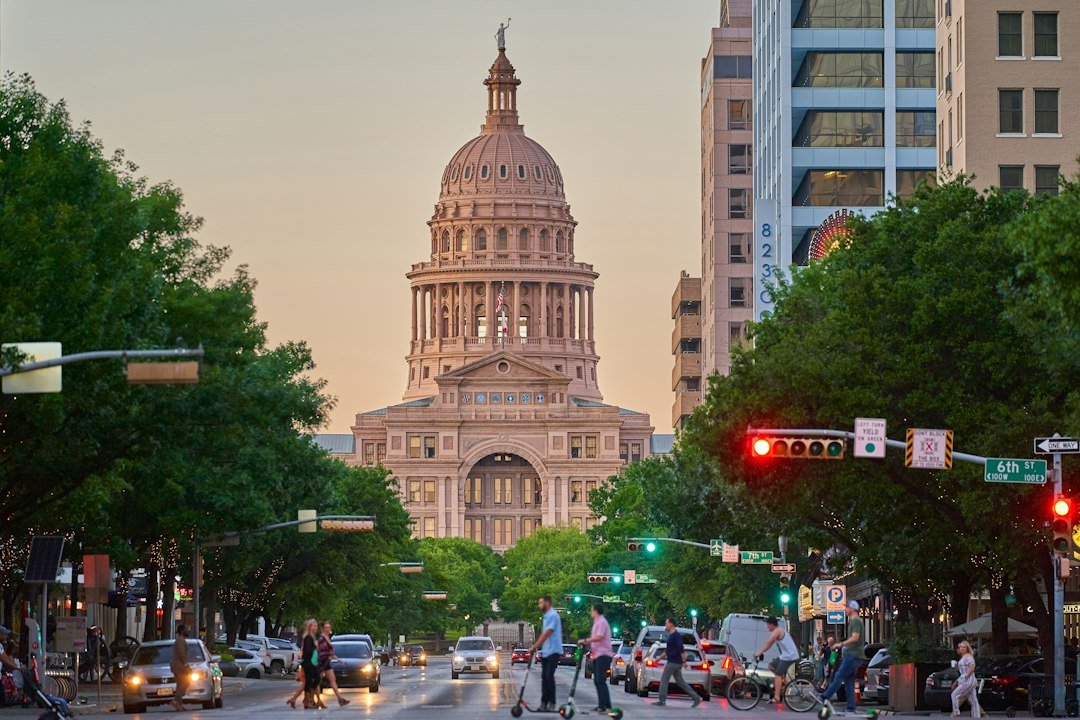
Photo: Texas State Capitol, Justin Wallace / Unsplash.