There is plastic in your food packaging, your laundry, your bathroom, your kitchen—and probably in products you have never thought to question. But does lowering your exposure require an expensive, frantic household purge? The evidence points toward a more practical answer: focus on repeated contact, especially around food and heat, cut avoidable waste, and replace things when they need replacing.
In a short video shared by toxicologist Dr. Yvonne Burkart, she describes keeping polyester clothing and containers with plastic lids despite advocating low-tox living. She also acknowledges having previously used scratched nonstick cookware. Her point is about making consistent improvements without pretending a completely plastic-free home is realistic. The clip expresses her personal approach; it is not itself proof of specific health outcomes.
That distinction matters. Plastic litter and the environmental damage it causes are well established. Certain chemicals associated with plastics, including some phthalates and bisphenols, can be measured in humans and reduced by some interventions. But the long-term health effects of ordinary microplastic exposure remain incompletely understood. The FDA says current evidence does not demonstrate that the levels of microplastics detected in food pose a risk to human health; the agency continues studying the issue. Neither blanket panic nor blanket reassurance is warranted.
What a 2026 clinical trial actually found
In the PERTH randomized controlled trial published in Nature Medicine on April 21, 2026, researchers assigned 60 adults to a seven-day intervention involving different combinations of low-plastic food, kitchen equipment and personal-care products, or to a control group. There was also a separate observational cohort of 211 people. A group receiving low-plastic food plus kitchenware showed reductions of about 37.5% in urinary mono-n-butyl phthalate, 53.5% in monobenzyl phthalate and 59.7% in bisphenol A compared with controls.
Important qualification: these percentages refer to specific urinary exposure markers in one trial arm. They do not mean that every plastic-associated chemical fell by 60%, that microplastic particles were eliminated, or that the participants were proven healthier. The pilot was small and lasted only one week; it did not measure long-term disease prevention. The trial nevertheless supplies evidence that some exposures are modifiable.
Phase 1: The kitchen—start where food meets plastic
1. Stop routinely reheating food in plastic
Do this: Put leftovers in microwave-safe glass or ceramic before reheating. Avoid microwaving food in disposable takeout containers or using ordinary plastic wrap against hot food. Transfer very hot foods into containers designed for the temperature. Discard cracked, warped or deteriorating food-contact plastic.
Benefit: Reduces avoidable opportunities for heat-related chemical migration and plastic deterioration. This can be a free first step if you already own suitable dishes. Not all microwave-rated plastics behave alike, and the degree of risk depends on material and use; the recommendation is about a reasonable precaution, not a claim that a single reheated meal is poisonous.
2. Replace your most-used food-storage containers gradually
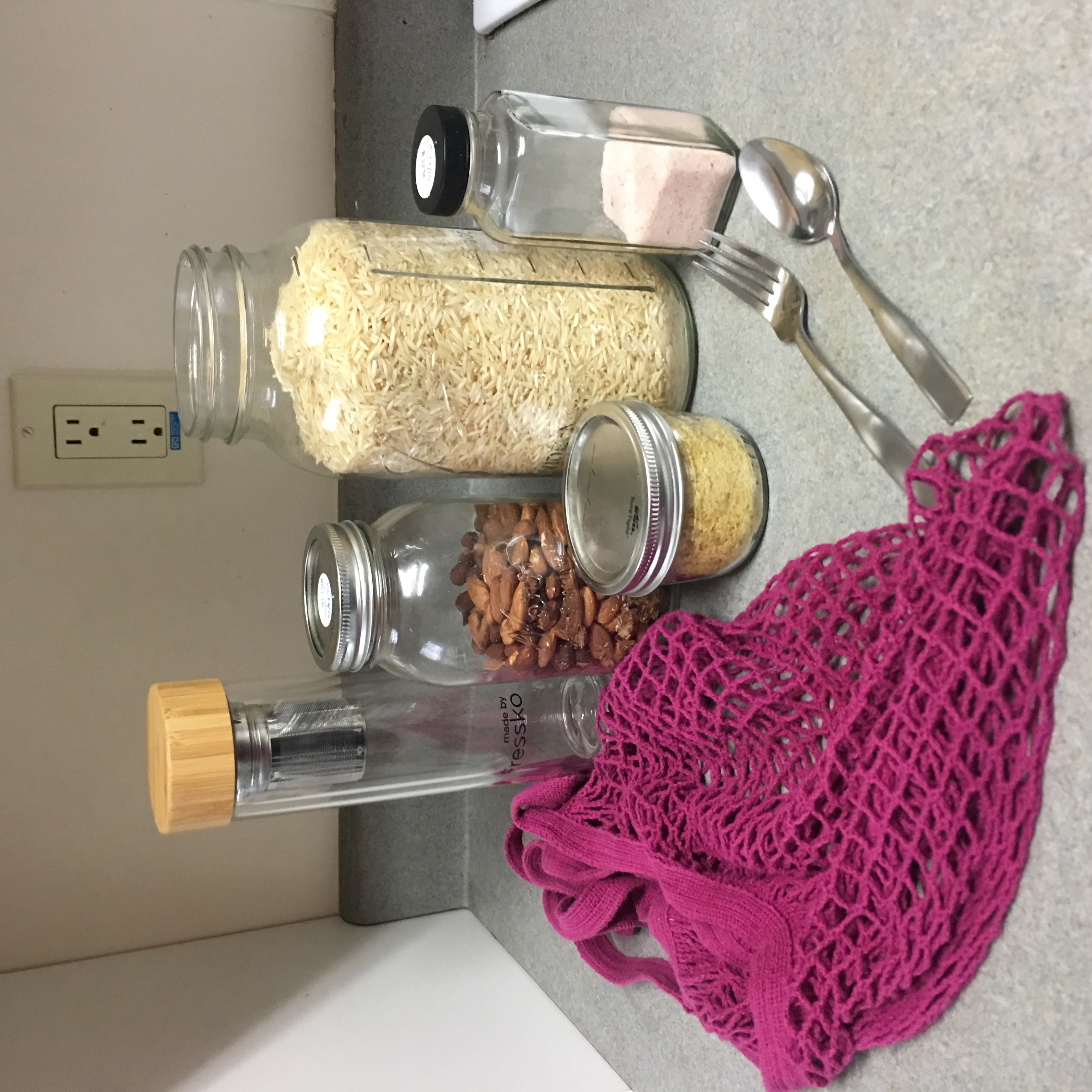
Do this: Use glass for refrigerator leftovers and meals you plan to reheat; consider stainless-steel lunch containers for travel. Wash and reuse suitable food jars for dry goods. You can keep intact plastic-lidded glass containers, but avoid letting hot food sit against the lid and follow the manufacturer’s instructions.
Benefit: Less direct food contact with plastic storage surfaces, fewer disposable bags, and potentially longer-lasting containers. Cost: Free to moderate—repurposed jars count. Remember that ordinary jars may crack if frozen or exposed to extreme temperature changes.
3. Inspect nonstick cookware without assuming every pan is a hazard
Do this: Check for damaged coatings and replace badly worn cookware as needed. Avoid overheating empty nonstick pans. When replacing a pan, consider uncoated stainless steel, cast iron, carbon steel, or suitable enameled cookware for the way you cook.
Benefit: Durable cookware may last longer, and avoiding severe overheating helps prevent PTFE breakdown fumes. Poison Control advises inspecting coated pans and avoiding high-temperature misuse. A scratch does not prove that someone has been harmed, and PTFE pans used properly are not interchangeable with food-storage plastic.
4. Retire worn plastic utensils
Do this: Replace melted or visibly deteriorating spatulas, ladles and stirring spoons. Use wood or stainless steel when compatible with your pans. Keep utensils clean and do not use abrasive metal tools on coated pans.
Benefit: Reduces contact between damaged plastic and hot food and may reduce recurring purchases. Start with the tools that actually show wear; no need to throw out an entire usable drawer.
5. Carry a reusable water bottle—and check your water first
Do this: Refill a glass or stainless-steel bottle rather than buying single-use bottles routinely, where drinking water is safe. If you are worried about contaminants, consult your local water-quality report or test private-well water. Select filters certified for the particular contaminant rather than assuming any filter removes everything.
Benefit: Less single-use plastic waste and usually lower ongoing drink costs. Filter performance is contaminant-specific: the CDC explains that some filters improve taste while others target particular chemicals or microbes. Follow drinking-water advisories—safe water takes priority over avoiding a plastic bottle. Related Apep Bar coverage: what science says about drinking water stored in copper vessels.
6. Shop for fewer layers of packaging
Do this: Choose loose produce where practical. Buy pantry staples in larger packs or refillable containers when they are actually economical. Consider dried beans, glass-packaged foods and cooking more from basic ingredients. Keep affordable frozen vegetables and other nutritious food in your diet even when packaged in plastic.
Benefit: Can reduce packaging waste and certain opportunities for plastic-food contact; some swaps also cut grocery costs. The PERTH study associated several food-processing and packaging practices with urinary chemical markers, but it did not show that every packaged food is unsafe.
7. Stop buying disposable foodware by default
Do this: Take reusable utensils and a washable lunch container when away from home; use plates or fitted reusable covers instead of unnecessary disposable wrap; reuse shopping bags rather than buying new ones.
Benefit: A measurable reduction in single-use waste and fewer repeat purchases. The EPA emphasizes reducing and reusing before recycling.
Phase 2: Clothing and laundry—keep what you own
8. Reduce microfiber shedding without discarding polyester
Do this: Wear your existing synthetic clothes until they need replacing. Wash full loads when appropriate, use shorter and cooler cycles for compatible garments, avoid needless extra washes, and consider a washing-machine microfiber filter.
Benefit: Can reduce microfiber release, lower energy use and extend clothing life. The National Park Service explains how synthetic fibers enter laundry wastewater and recommends several of these practices. Laundry-capture products vary; follow installation and disposal instructions. Natural textiles also shed fibers, though not the same persistent synthetic microplastics.
9. Replace textiles only when you need to
Do this: Check labels when shopping for replacement sheets, towels, blankets and clothes. Choose durable cotton, linen, wool or other materials suited to your needs. Consider repair or secondhand purchases first.
Benefit: Fewer unnecessary purchases, less synthetic textile demand and possible reductions in future microfiber shedding. Limit: Science does not establish that replacing polyester bedding on its own prevents any particular disease.
Phase 3: Bathroom and personal care
10. Reduce disposable packaging without sacrificing effective care
Do this: As bottles empty, try a suitable soap bar, shampoo bar, refillable personal-care product or long-lasting metal razor. If you want to limit fragrance-related exposures, compare ingredient lists and try fragrance-free products where they work for you.
Benefit: Reduced bathroom packaging and fewer disposable products; particular product substitutions may reduce certain chemical exposures. The PERTH trial found a reduction in one measured phthalate metabolite in a personal-care intervention arm. Do not discard useful sunscreen, fluoride toothpaste, prescription treatments or necessary hygiene items merely because they come in plastic.
Phase 4: Cleaning supplies and household dust
11. Choose reusable cleaning tools and credible product labels
Do this: Replace disposable wipes with washable cloths where hygienically appropriate. Use refills or concentrates according to the label, and avoid accumulating specialized cleaners you rarely use. The EPA Safer Choice directory identifies cleaners that meet its ingredient standard and includes fragrance-free options.
Benefit: Less packaging, potentially lower spending and—when suitable certified products are chosen—less reliance on ingredients of concern. Safety: Never mix bleach with ammonia, acids or vinegar.
12. Reduce indoor dust with ordinary cleaning habits
Do this: Damp-dust surfaces, vacuum regularly using effective filtration, maintain ventilation and building filters as instructed, and wash hands before eating.
Benefit: Removes household dust that can carry fibers and many other particles, and helps with allergen control. It is not proof that a home can be made entirely free of microplastics.
Phase 5: Buy less and dispose more wisely
13. Stop buying ‘plastic-free’ products you do not need
Do this: Before purchasing a glass or metal replacement, ask whether your current item is intact, functional and needed. Repair, borrow or buy secondhand when practical.
Benefit: Prevents waste before it exists, avoids extra manufacturing and saves money. Glass is not automatically the greener choice if it is used once, shipped long distances or replaced frequently. Durability and reuse matter.
14. Reuse and recycle according to local rules
Do this: Donate still-useful products when appropriate, recycle only materials your local program accepts, and dispose of broken or deteriorating items appropriately. A resin-code triangle does not guarantee local recyclability.
Benefit: Less avoidable landfill waste and cleaner recycling streams. The EPA recommends checking local collection rules.
What should you change first? A practical ranking
| Priority | Action | Main benefit |
|---|---|---|
| 1 | Stop routinely heating food in plastic | Less unnecessary hot-food contact |
| 2 | Carry a refillable water bottle | Less disposable bottle waste |
| 3 | Use suitable glass or metal for hot leftovers | Less direct food-plastic contact |
| 4 | Replace damaged pans and utensils | Safer use and longer durability |
| 5 | Reduce disposable packaging | Less recurring waste |
| 6 | Adjust synthetic laundry habits | Less microfiber release |
| 7 | Choose bathroom and cleaning refills | Less plastic packaging |
| 8 | Replace worn textiles thoughtfully | Less future consumption |
This is a practical priority list, not a scientific ranking of individual health risks. The best order depends on your household, budget, water quality and exposure sources.
A realistic 30-day plastic-reduction plan
Week 1: Kitchen and heat
- Reheat food in appropriate glass or ceramic.
- Check the condition of the pans and utensils you use most.
- Move one frequently eaten hot meal to a reusable, suitable container.
- Identify the three disposable kitchen products you buy most often.
Week 2: Drinking water and groceries
- Carry a reusable bottle.
- Check water safety and filtering needs.
- Bring bags you already own when shopping.
- Reduce one type of unnecessary packaged item without compromising nutrition.
Week 3: Laundry and bathroom
- Change a compatible laundry routine to shorter, cooler washes.
- Keep working polyester garments; plan future replacements rather than purging.
- Try one refill or package-light bathroom product after the current one runs out.
- Consider whether a microfiber filter fits your washing machine.
Week 4: Cleaning and long-term habits
- Damp-dust and vacuum on a sensible schedule.
- Switch one disposable cleaning item to a washable alternative.
- Check municipal recycling requirements.
- Calculate what you saved and pick two habits to maintain next month.
Five mistakes that can undermine the goal
- Throwing out everything at once. That creates waste and often adds financial strain. Prioritize damaged food-contact products and unnecessary disposables.
- Assuming ‘BPA-free’ means ‘chemical-free.’ BPA is only one compound; additives and substitutes differ.
- Assuming ‘natural’ always means safer. A product label is not a substitute for ingredient and usage information.
- Treating biodegradable packaging as automatically compostable at home. Some products need specialized facilities; check local acceptance.
- Putting plastic avoidance ahead of basic health. Safe drinking water, nutritious food, hygiene, and effective medical products matter more than eliminating every package.
The benefits we know—and the benefits still being studied
Demonstrable everyday benefits: fewer disposable items, less litter, more reuse, lower repeat purchasing in many situations, and reduced fiber release from some laundry practices.
Measured exposure benefits: under particular conditions, studies including PERTH show that food- and product-related changes can lower some urinary phthalate and bisphenol markers.
Unproven long-term claims: these household swaps have not been demonstrated to eliminate microplastics from the body or prevent cancer, infertility, cardiovascular disease or other specific illnesses. Both scientific evidence and exposure measurement methods are still evolving.
Dr. Burkart’s useful challenge is not to create a showroom with no plastic in sight. It is to make ordinary choices with fewer avoidable exposures and less unnecessary waste, then keep them for the long haul. Low-tox living and low-waste living overlap—but they are not always exactly the same project.
Question. Investigate. Reconsider. How many of the plastic items you buy each week are truly necessary—and which could you stop replacing tomorrow?
Sources and further reading
- Harray and colleagues, Nature Medicine (2026): randomized PERTH trial — original study.
- U.S. FDA: Microplastics and Nanoplastics in Foods — status of evidence.
- U.S. EPA: What You Can Do to Reduce Plastic Waste — reduction and reuse guidance.
- National Park Service: Reducing Laundry Microfibers — practical laundry measures.
- CDC: Choosing Home Water Filters — water safety and certified filtration.
- Poison Control: Protect Yourself From Teflon Flu — PTFE overheating and worn nonstick surfaces.
- EPA: Safer Choice-certified products — evaluate cleaners.
- Dr. Yvonne Burkart short video supplied as the starting point for this guide — personal commentary, not a clinical study.
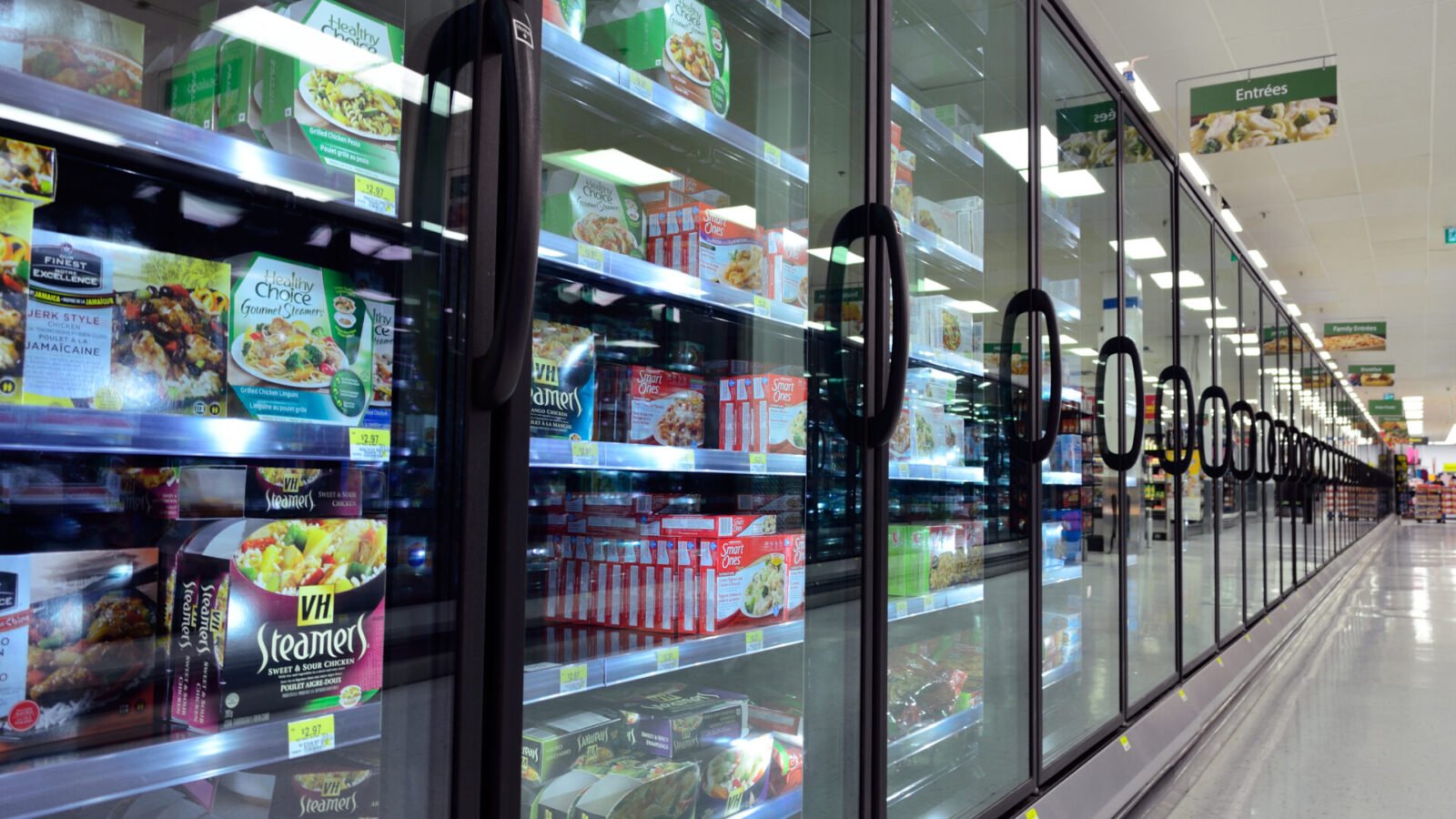
Photo note: The accompanying featured photograph is a genuine, previously credited image of a supermarket frozen-food section by Raysonho / Wikimedia Commons, CC0. It illustrates food packaging generally and is not documentation of any particular health exposure.