Opinion | Opinion — When NASA says the 2026 Antarctic ozone hole was the seventh largest in its monitoring record, it is tempting to announce that decades of global environmental cooperation have accomplished nothing. That interpretation is emotionally satisfying and scientifically careless.
One alarming measurement
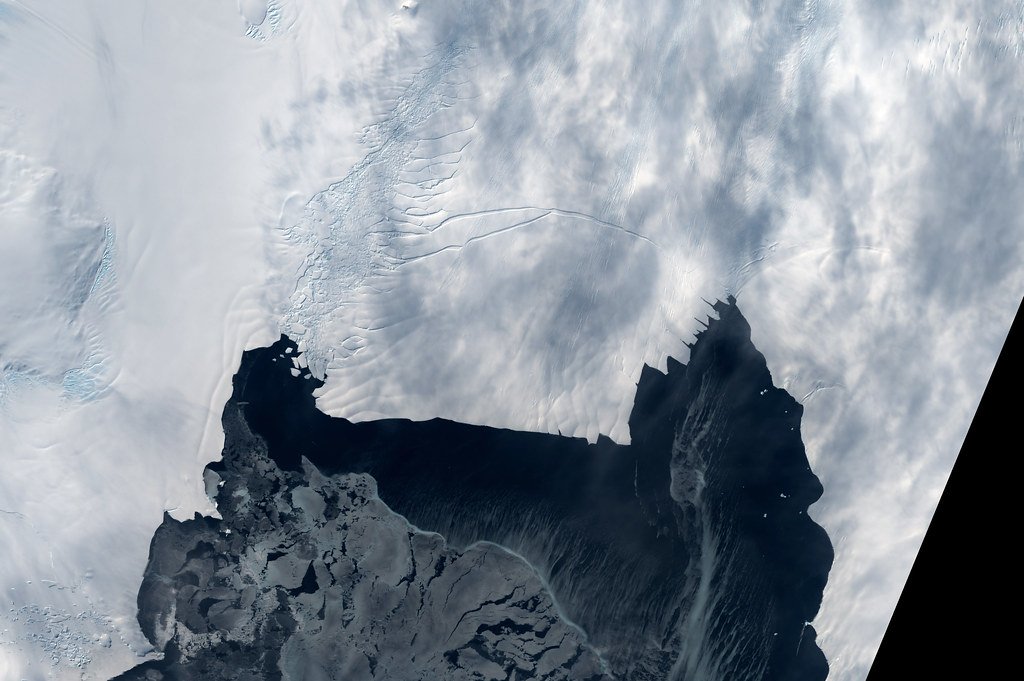
NASA says unusually cold conditions and a strong polar vortex made a broad area of ozone thinning possible in 2026. It also explains that the hole was not especially deep relative to other large years. Extent and depth are related but distinct quantities. A single season cannot serve as a complete scorecard for a chemical treaty.
Why the treaty still matters
The Montreal Protocol helped phase down ozone-depleting chemicals. Those substances persist for decades, and NASA does not expect Antarctic ozone to return to its 1980 level immediately. Long-term recovery depends on both falling chemical burdens and atmospheric variability. This is a case where patience and monitoring are more meaningful than an annual victory parade.
Neither denial nor complacency
The responsible response is to keep the restrictions that address the cause, investigate unexpected observations and publish understandable measurements. We can celebrate evidence of improvement without pretending every year must look better than the last. Science earns confidence by surviving difficult data, not by suppressing them.
Sources and documents
Question. Investigate. Reconsider.