SHERRILLS FORD, NORTH CAROLINA — Imagine buying a home and discovering that the neighborhood association could soon cost more than many people’s mortgages. For residents of Magnolia Cove in Catawba County, that nightmare became a very real budget problem this October.
First came the eye-popping proposal: $7,500 in monthly homeowners association assessments — $90,000 a year for each assessed lot. That number fueled outrage and a widely shared WSOC-TV TikTok report. But there is an important update: the HOA did not approve $7,500. At its October 26, 2026 meeting, the board instead approved $2,500 a month, scheduled to take effect January 1, 2027. That’s still $30,000 a year, before a homeowner pays a mortgage, property taxes or insurance.
From $158 a month to $2,500
Residents told WSOC-TV that regular dues were once around $158 monthly. They later climbed to $350, then to $1,250 in 2026, when the community was also hit with a reported $10,000 special assessment.
Homeowner Jill Menson said she and her husband expected to remain in their house for the rest of their lives. She now fears the growing costs could make the home impossible to keep — or difficult to sell. Other residents voiced concerns about liens, possible foreclosure and bankruptcy if they fall behind.
The arithmetic is stark:
- Earlier reported dues: $158 a month, or $1,896 annually.
- 2026 dues before the latest vote: $1,250 a month, or $15,000 annually.
- Initial 2027 proposal: $7,500 a month, or $90,000 annually — not adopted.
- Approved 2027 assessment: $2,500 a month, or $30,000 annually.
That makes the approved rate more than fifteen times the $158 monthly figure residents recall from several years ago.
Why does the HOA say it needs so much money?
The Magnolia Cove HOA disputes the suggestion that these increases appeared without explanation. In a statement published by WSOC-TV on October 27, the association said legal expenses and years of unpaid assessments are driving its budget. It says that defending lawsuits brought by more than 20 owners created substantial costs, and that unpaid assessments increase the burden on owners who do pay.
According to the association, the homeowners’ original claims were dismissed or withdrawn. The HOA says subsequent counterclaims led to a jury finding certain owners liable for defamation and awarding damages. Those are the association’s descriptions of the legal proceedings, not independent findings by Apep Bar. The HOA says it is a nonprofit and that assessments pay actual community bills, rather than profit for the board.
The original $7,500 proposal was tied to a budget that Realtor.com reported allocated about $1.1 million toward legal fees out of roughly $2.07 million in base assessments. The board says dues could fall after litigation expenses end and outstanding balances are collected. It has not established when that might happen.
Who controls the association — and what can owners do?
Some residents told WSOC-TV that developer Aaron Guess controls the HOA because he owns most of the properties. They have also complained in prior reporting about amenities they say were promised but not provided, including a community pool and mailboxes. The HOA and some residents offer a different perspective, arguing that homeowner litigation contributed to today’s financial predicament.
The North Carolina Attorney General’s Office told WSOC-TV that state law has no general statutory cap on how much HOA fees may increase, although boards must follow their governing documents. That distinction matters: the absence of a statewide dollar cap does not automatically make every board decision lawful.
What has not been established: that the $7,500 proposal ever took effect, that every homeowner will lose their property, or that any particular foreclosure was caused by the newly approved assessment. Realtor.com reported at least one foreclosure case in the community but explicitly said it had not confirmed a link to HOA dues.
The larger question: When does homeownership stop feeling like ownership?
There’s no mystery about why the $7,500 figure went viral. At that price, annual HOA dues alone would rival a substantial household salary. The board’s final decision reduced that threat by two-thirds — but $30,000 a year is hardly pocket change.
The dispute also exposes competing claims: owners say the steep bills jeopardize the homes they worked to buy; the HOA says litigation and delinquency have left bills that somebody must pay. The next test is transparency: can residents see how the money is calculated, how long the higher rate may last, and what accountability exists while the developer maintains control?
Question. Investigate. Reconsider. If an HOA can raise dues faster than a family can reasonably adjust its finances, how much control do homeowners truly have over the cost of staying home?
Sources and continuing coverage
- WSOC-TV, October 24: Original $7,500 proposal
- WSOC-TV, October 26: Board approves $2,500 monthly dues
- WSOC-TV, October 27: HOA response and homeowner accounts
- Realtor.com, October 29: Budget and foreclosure reporting
- Original WSOC-TV TikTok video
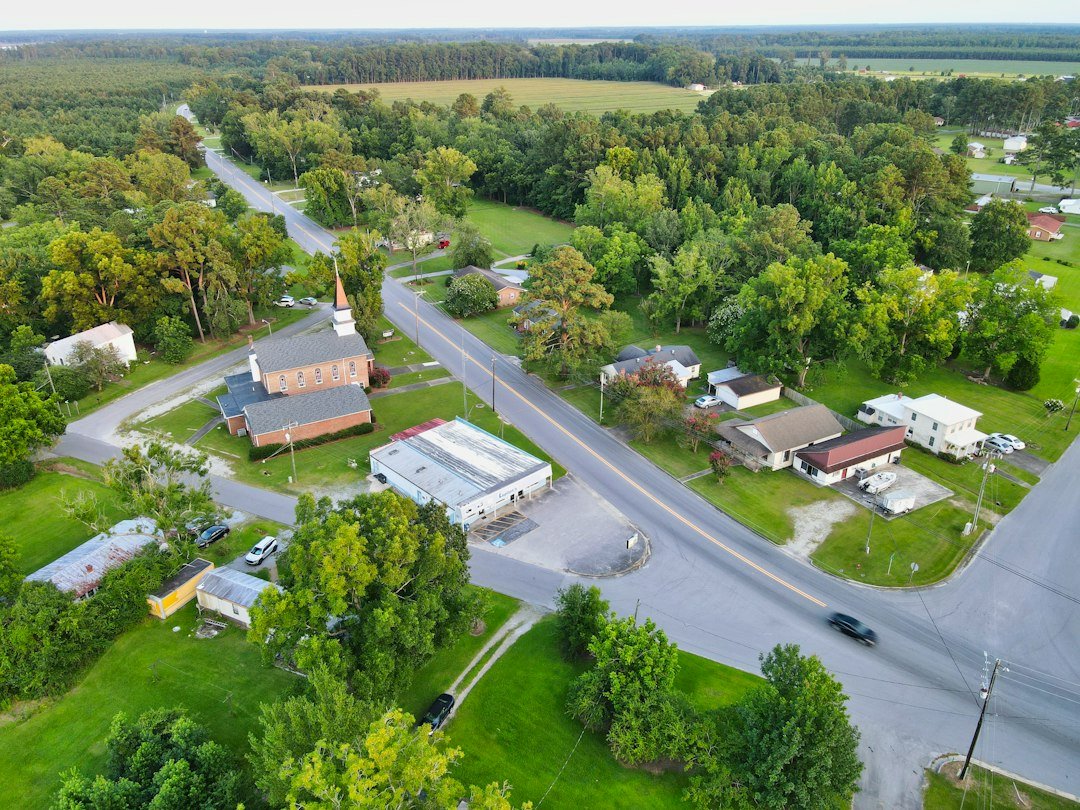
Featured photo is an illustrative North Carolina neighborhood image, not a photograph of Magnolia Cove. Photo: Gene Gallin / Unsplash.