APEP BAR | November 20, 2026. Freemasonry has spent generations attracting legends about hidden influence. This month, the United Grand Lodge of England has taken a conspicuously public route: on November 11 it released a free online book titled The Freemasons, presenting its own account of the movement, its history and its contemporary purpose.
What the organization says
The Grand Lodge’s announcement says the text is available to members and nonmembers, reviews modern charitable and civic activities, and reflects organizational changes. It says the movement has more than 160,000 members in its broad jurisdiction and that a print edition is planned for December.
Why the timing matters
The project coincides with lingering tensions about disclosure rules for Metropolitan Police officers and wider suspicion of private membership networks. In its account, Freemasonry argues that long-held caricatures do not capture members’ activities. That is an organization’s own explanation—not an independent audit of influence.
How to evaluate the book
Readers should compare public claims about values, governance and nonpartisanship with constitutions, membership policies, charitable filings and independent scrutiny. A public book can improve understanding without making private rituals public, and skepticism should not be confused with automatic guilt.
An honest question
If the group really wants the public to know more, what is the next document it should voluntarily release?
Sources and documentation
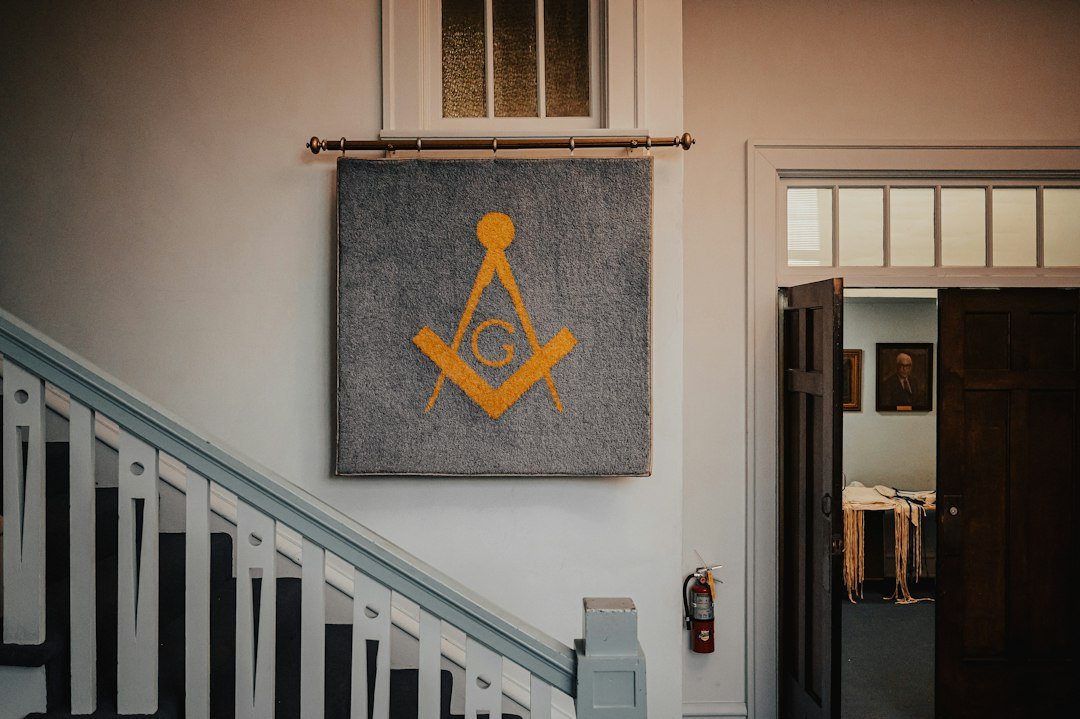
Featured image: a Masonic emblem banner from the site’s credited photo library; symbolic context, not a photograph of the newly published book. Original attribution and licensing details are retained in the WordPress media library.