November 20, 2026 — One of the oldest recurring questions about Freemasonry is whether the secrecy protects a tradition—or creates unnecessary suspicion. This week, that distinction became a literal editing issue. Reporting published November 19 says England’s Masonic leadership is considering changes to ceremonial language, including replacing references to “secrets” with “mysteries.”
What the proposed changes actually say
According to reporting based on an email sent to members, the revisions would clarify the meaning of obligations recited during Masonic ceremonies and emphasize that loyalty to the organization does not override law, employment duties, or public office. The changes reportedly would go to the Grand Lodge for consideration in December. They are proposals, not an adopted new ritual.
Why the police are part of this story
The controversy follows an unsuccessful challenge to the Metropolitan Police’s rule that officers and staff declare membership of Freemasonry and other hierarchical organizations. The police described that disclosure requirement as a safeguard for public confidence, not a prohibition on membership. The United Grand Lodge of England has argued that the rule is unfair and pledged to explain its work more openly.
Not a confession of hidden wrongdoing
It would be a mistake to treat updated ceremonial language as proof that a conspiracy has been uncovered. The reported amendments are about how members describe commitments and the way outsiders may interpret them. Conversely, a public promise of openness does not settle every question about organizational transparency or possible conflicts of interest in public institutions.
The next test is public
Watch the December vote and any published final wording. The question for readers is not whether an ancient fraternity can change a word. It is whether clearer language and independent conflict-of-interest rules can make membership less mysterious without reducing legitimate public scrutiny.
Sources: November 19 reporting on proposed ritual edits; Metropolitan Police association policy; UGLE statement after judicial review.
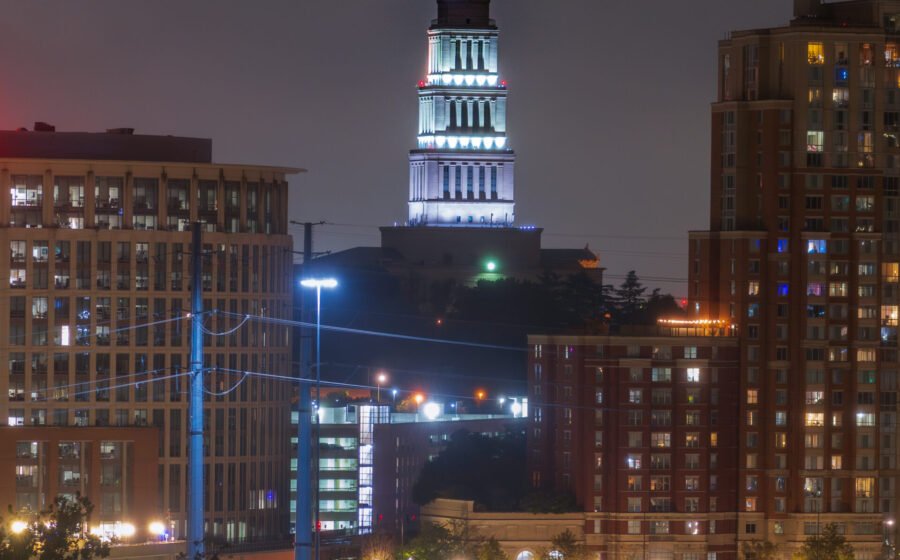
Featured photograph: the George Washington Masonic National Memorial, used as architectural context, not a photograph of the reported November correspondence. Original license attribution appears in the image library.