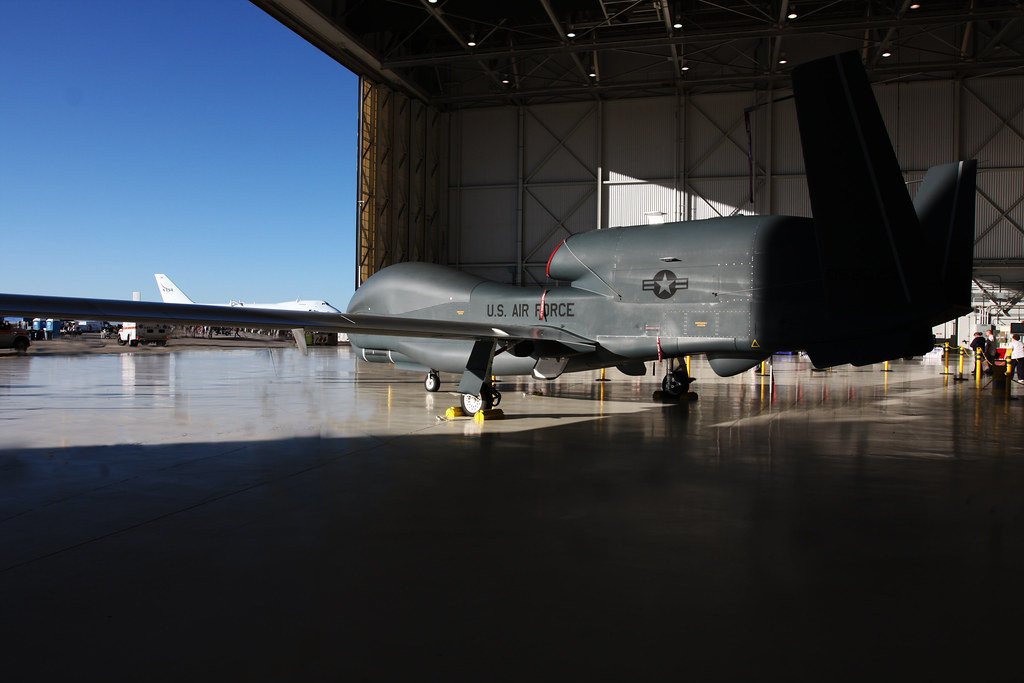
The military wants artificial intelligence to move faster. Its oversight architecture may not be keeping pace. An October 14, 2026 Government Accountability Office report examined how the Department of Defense is implementing its responsible-AI commitments as AI moves into more defense work.
The new document
GAO said DOD’s 2026 AI strategy stresses the speed of development. The agency also noted existing ethical principles and department-wide collaboration. But GAO highlighted gaps involving defined responsibilities for collaboration and workforce needs that may limit trustworthy deployment. These are implementation concerns documented by auditors—not evidence that any specific autonomous weapon has acted unlawfully.
Why responsibility is not a slogan
An algorithm can be technically impressive and still fail in an operational setting if training data, testing, human supervision or accountability are inadequate. The key reporting questions are who validates output, who can halt a system, what gets recorded and which office bears responsibility when different military components share a model.
What to watch next
GAO identified opportunities for Congress to direct stronger oversight. Future evidence should include concrete role assignments, test standards, incident reporting and workforce capacity rather than a parade of promotional demonstrations. Rapid development and responsible use are compatible only if somebody can prove the safeguards work.
Primary sources
Apep Bar — Question. Investigate. Reconsider.