Two hundred and fifty years after the Bavarian Illuminati was founded, historians are revising one of the most repeated lines in its story: that the secret order ended when Bavarian authorities banned it in 1785. Researchers at the University of Erfurt’s Gotha Research Centre say documentary evidence traces organized activity into 1787, with a final hub far from its birthplace.
That finding, announced on April 29, 2026, concerns a real eighteenth-century organization—not proof of an immortal committee secretly controlling the present day. It may be more interesting than the legend.
The last chapter moved to Gotha
Adam Weishaupt founded the order in Ingolstadt on May 1, 1776. It began amid the arguments of the European Enlightenment and expanded into networks of educated officials, scholars and nobles. Bavaria’s 1785 prohibition and subsequent publication of seized papers turned its internal affairs into public scandal.
According to the Gotha researchers, the ban was not the final scene. Johann Joachim Christoph Bode, a translator and Freemason, helped sustain the order in Thuringia. Under the patronage of Duke Ernst II of Saxe-Gotha-Altenburg, a provincial branch known as “Ionia” became a significant late center. Researchers place its final activities in 1787, rather than the commonly repeated 1785 endpoint.
The ‘Swedish Chest’ is not a metaphor
The investigation draws on the Schwedenkiste—the “Swedish Chest”—a collection of correspondence, archival papers and essays associated with Bode. The materials were thought lost after World War II before being rediscovered in the late 1980s. Erfurt’s research unit, established in 2018, has been systematically cataloguing and studying these sources.
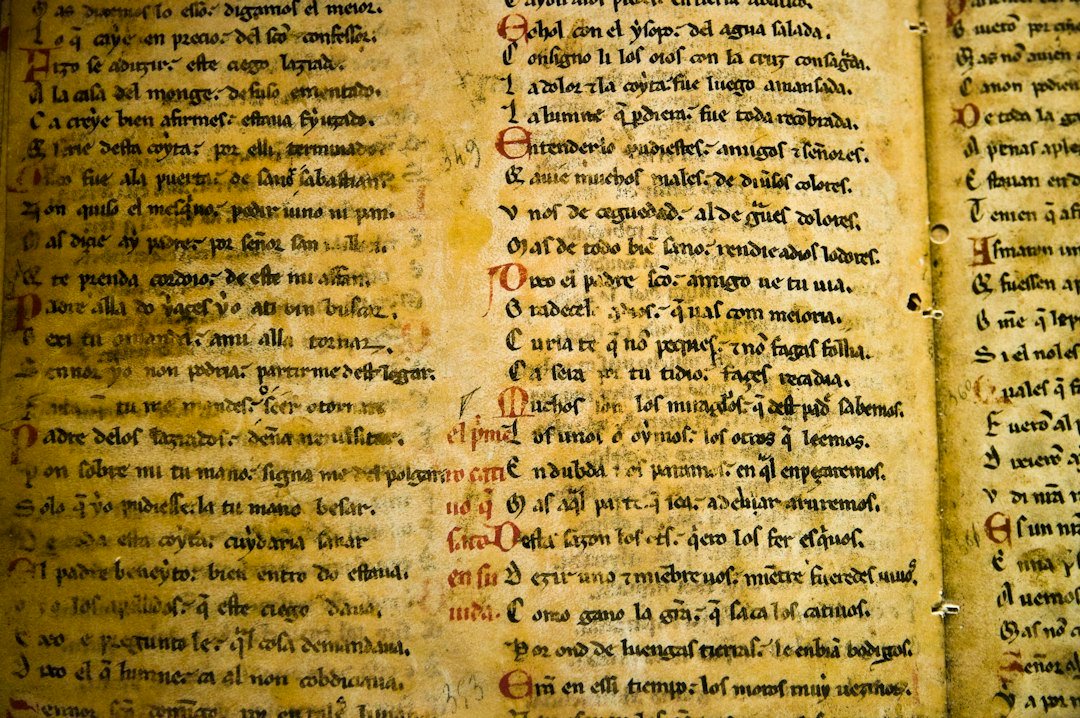
The associated scholarly project also examines about 150 previously unpublished essays dated 1783–1787. These discuss philosophy, moral questions and social and economic reform. That is valuable evidence for what some members discussed. It is not a basis for claiming they directed later revolutions—or today’s institutions.
What is proven, and what remains folklore?
The order existed; it recruited members; it had a political and intellectual program; and it faced government suppression. Researchers also explain how hostile publications and subsequent conspiracy literature helped build its outsized reputation. Evidence for a continuous organization operating secretly from the eighteenth century to 2026 has not been established by these records.
Erfurt’s team has announced a scholarly volume on the order’s transformations, planned for 2027. For now, the key change is a modest but important correction to the timeline: an organization once thought to have stopped in Bavaria may have shifted its center and survived another two years.
The question is not whether the historical Illuminati were real. It is why the documents that survive are so often less famous than the myths built around them.
Sources
- University of Erfurt, April 29, 2026 research announcement
- Gotha Illuminati Research Unit: history and archive
- University research project on unpublished essays
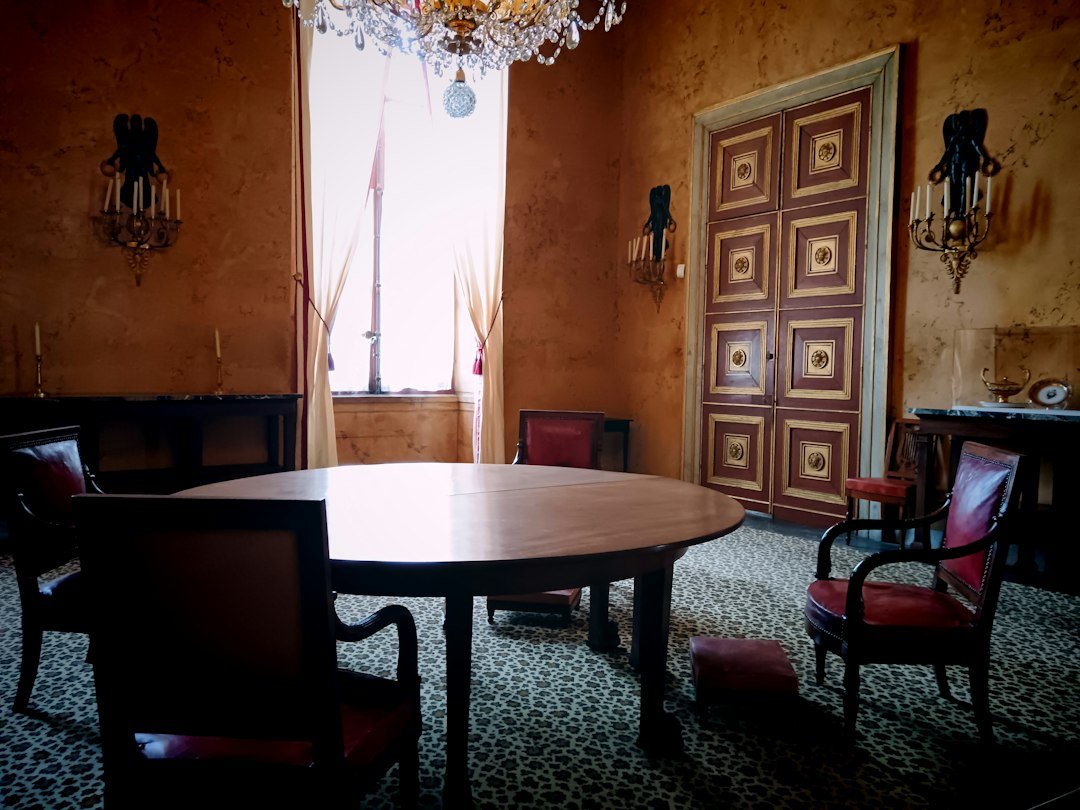
Featured photograph: historic meeting room by Kirsten Bergmann Vigouroux / Unsplash (Unsplash License). Illustrative of period interiors, not an authenticated Illuminati meeting place.