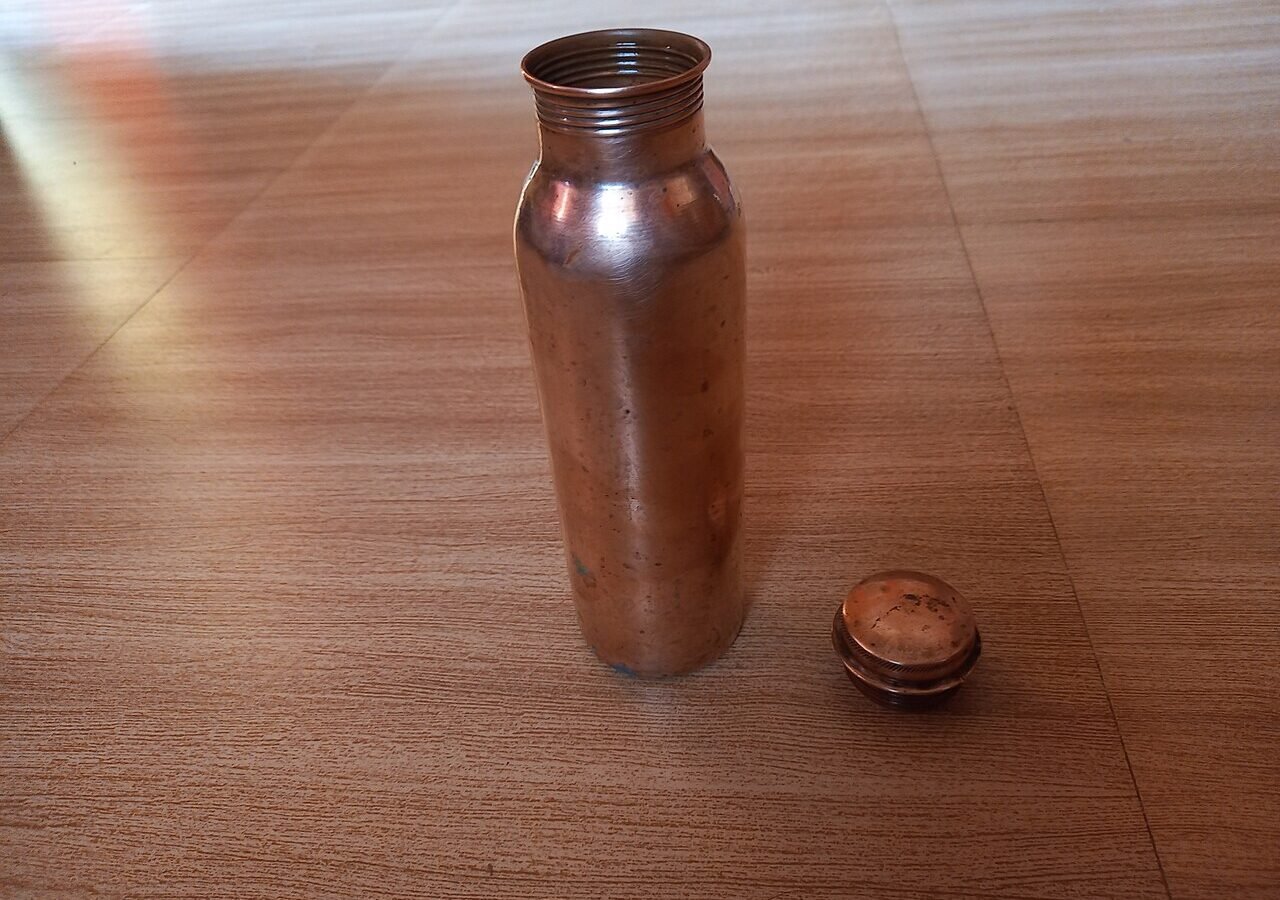
There is a real scientific story inside the centuries-old copper-water ritual. But there is also a leap—from bacteria dying in a laboratory to promises of better digestion, detoxification and all-around vitality—that the research has not justified.
On November 2, 2026, Gardening Soul published an enthusiastic explanation of tamra jal, the Ayurvedic practice of leaving drinking water in a copper vessel overnight. Its underlying premise is not fantasy: copper can release ions into water, and those ions can inhibit or kill microorganisms. But the same metal is an essential nutrient and a potential toxin. Dose, water chemistry, time and the difference between a test tube and a human body matter.
What scientists actually found in copper pots
In a 2012 study published in the Journal of Health, Population and Nutrition, researchers added several diarrhoea-causing bacteria to drinking water, then stored the samples in copper pots or glass containers. After 16 hours at room temperature, the researchers could no longer recover the tested bacteria from the copper-stored water—even after using an enrichment procedure designed to help detect surviving organisms. The bacteria remained detectable in the glass controls.
Among the organisms tested were Vibrio cholerae, Shigella flexneri, pathogenic E. coli and two types of Salmonella. The water’s measured copper concentration after 16 hours averaged 0.177 milligrams per litre, well below the World Health Organization’s drinking-water guideline of 2 mg/L. Earlier 2009 laboratory research reported broadly similar antibacterial results.
That is evidence of an antimicrobial effect in controlled conditions. It is not a clinical trial showing that people who drink copper-stored water become healthier, and it does not prove that a household container can reliably make every unsafe water source potable.
The inconvenient detail about “overnight”
How long is overnight? The popular advice often gives an eight-to-12-hour window. A separate 2011 study in BMC Infectious Diseases offers a caution: when scientists used methods capable of recovering stressed bacteria, they found substantial numbers of sublethally injured cells at earlier intervals of four to 12 hours. The tested pathogens were inactivated across 24 hours under that study’s conditions.
In other words, the duration cannot simply be turned into an all-purpose home disinfection guarantee. Water pH, temperature, the vessel’s condition, contaminants and the microorganisms present can all affect the outcome. Copper storage has not been established as a substitute for a validated water treatment method.
The CDC advises following the specific instructions in a water advisory. A copper jug cannot be assumed to remove arsenic, lead, pesticides or other chemical hazards; nor do the cited bacterial studies demonstrate reliable protection from every virus or parasite. Even boiling, which can address many microbial risks, does not make chemically contaminated water safe.
Yes, copper is essential. No, more is not automatically better
According to the National Institutes of Health Office of Dietary Supplements, adults generally need 900 micrograms (0.9 mg) of copper per day. Copper is involved in energy production, connective tissue formation and nervous and immune system function. Most people can obtain it from foods such as nuts, seeds, shellfish, legumes and whole grains.
In the 2012 experiment, drinking a 250-millilitre glass at the measured 0.177 mg/L concentration would have supplied about 44 micrograms of copper—roughly 5% of the adult recommended daily amount. That number is an illustration using a specific laboratory result, not a promise about what any copper vessel will release into any water.
Copper-dependent enzymes do help the body perform normal functions. But citing those functions is not the same as showing that adding copper through a jug improves collagen production, clears skin, boosts antioxidant defenses or treats digestive problems in otherwise healthy adults.
Where the wellness promises outrun the evidence
Gardening Soul attributes a wide range of benefits to copper-stored water, from enhanced gut motility to antioxidant and “detox” effects. There is no sound basis for presenting these as demonstrated health outcomes of this morning routine.
In fact, a May 2020 evidence brief prepared for the U.S. Agency for Healthcare Research and Quality searched for research on drinking from copper vessels and found no primary human studies or systematic reviews establishing health benefits. That was a time-limited review, not a statement about every publication since then, but it makes the critical distinction clear: experiments on bacteria are not proof of human wellness benefits.
The article’s suggested “three months on, one month off” schedule is also not a recognized, evidence-based safeguard against copper toxicity. There is no demonstrated universal safe dose or duration for drinking from an unlined copper vessel, because copper release varies with conditions.
We’ve confronted a similar evidence gap in our earlier Apep Bar examination of “structured water” claims: an intriguing physical or laboratory observation is not automatically a proven medical benefit.
The risks the ritual should not obscure
The WHO guideline for copper in drinking water is 2 mg/L. In the United States, the EPA copper action level is 1.3 mg/L—a regulatory trigger within a corrosion-control framework, not an individualized target for copper consumption.
Excess copper can cause nausea, vomiting, stomach pain and diarrhoea, while sustained high exposure may harm the liver or kidneys. The NIH lists an adult tolerable upper intake level of 10 mg per day from all sources; that should not be mistaken for a recommended dose. People with Wilson disease, an inherited disorder affecting copper handling, face special risks. ATSDR’s copper toxicology guidance describes these hazards.
Acid matters, too. The FDA Food Code restricts the contact of copper and copper alloys with acidic foods below pH 6 in covered commercial food settings. Lemon water, fruit juice and vinegar are not suitable liquids for unlined copper storage. Even plain water can vary in acidity and in how aggressively it corrodes metal.
If you still like the tradition, what is the sensible approach?
- Start with safe drinking water. Do not use a copper vessel to override a boil-water or do-not-drink advisory.
- Know what the vessel is made from. Avoid decorative containers, unknown alloys and products not intended for food contact; clean and maintain the container according to the maker’s instructions.
- Do not store acidic drinks in bare copper. Never assume longer storage automatically means a healthier result.
- Do not treat copper water as a supplement, detox or medical therapy. Anyone with Wilson disease, liver disease or concerns about copper exposure should seek individualized medical advice before adopting the practice.
- Consider the ordinary alternatives. Clean glass or food-grade stainless steel can store already-safe water without intentionally adding copper.
A real phenomenon, a much larger claim
Copper’s antimicrobial properties deserve investigation, especially where affordable water-treatment technologies are needed. Researchers have demonstrated effects against specific bacteria in copper vessels. That deserves attention.
What remains unproven is the leap to promises of improved digestion, skin, immunity and “detoxification” just because someone drinks a glass in the morning. The fascinating question isn’t whether ancient observers noticed something meaningful. They may well have. It is whether today’s wellness advice is willing to be as careful as the science.
Question. Investigate. Reconsider.
Primary sources and further reading
- Sudha and colleagues (2012), copper-pot laboratory experiment
- 2011 study of sublethal bacterial injury in copper water vessels
- AHRQ Evidence-based Practice Center topic brief (2020)
- NIH: Copper nutrient fact sheet
- WHO: Copper drinking-water guideline
- EPA: National Primary Drinking Water Regulations
- Gardening Soul article that prompted this examination (November 2, 2026)