October 13, 2026 | Apep Bar Hidden History — Imagine opening a filing cabinet sealed for thirty-four centuries and finding the same things that keep rulers awake today: a spreading disease, a threatened army, a grieving family, and desperate attempts to forecast tomorrow. At the ancient Hittite city of Šamuḫa, that filing cabinet was made of clay.
184 pieces of a buried royal memory
Excavators at Kayalıpınar, in central Türkiye’s Sivas Province, have identified a royal archive containing 184 cuneiform tablets and fragments. According to Türkiye’s Ministry of Culture and Tourism, 131 were recovered in the 2026 excavation season, joining 53 from an earlier season. The texts date to the period of King Tudhaliya II about 3,400 years ago.
The ministry announced the findings on October 8; The Debrief published new coverage on October 13. The objects themselves did not suddenly appear today.
A fever, an infant princess, and a court searching for signs
Among the records are accounts of a severe fever moving between cities. Children and infants were especially vulnerable. Officials sought divinations about the health of royal children; one sequence describes an infant princess’s illness, death, and funeral rites. We cannot identify the ancient disease simply from these descriptions.
Other tablets preserve military correspondence. Generals in western Anatolia warned that enemy forces threatened their territory, requesting troops, horses, and chariots. They reportedly warned the king of potentially catastrophic defeat if help failed to arrive.
The birds had their own intelligence service
Still stranger to modern eyes are accounts of bird diviners who traveled, observed birds, and recorded their routes and sightings. To the Hittite court, omens could be part of decision-making. The tablets show that divination practices were real features of the ancient administration; they do not demonstrate that birds actually predicted the future.
Translation and scholarly analysis are continuing. What survives is not a tale of a vanished super-civilization, but something more human: an ancient government trying to make sense of uncertainty.
Evidence status: Excavation, tablet count, and reported translations documented; claims of supernatural predictive power not established.
Sources: Türkiye Ministry of Culture and Tourism, October 8, 2026; The Debrief, October 13, 2026.
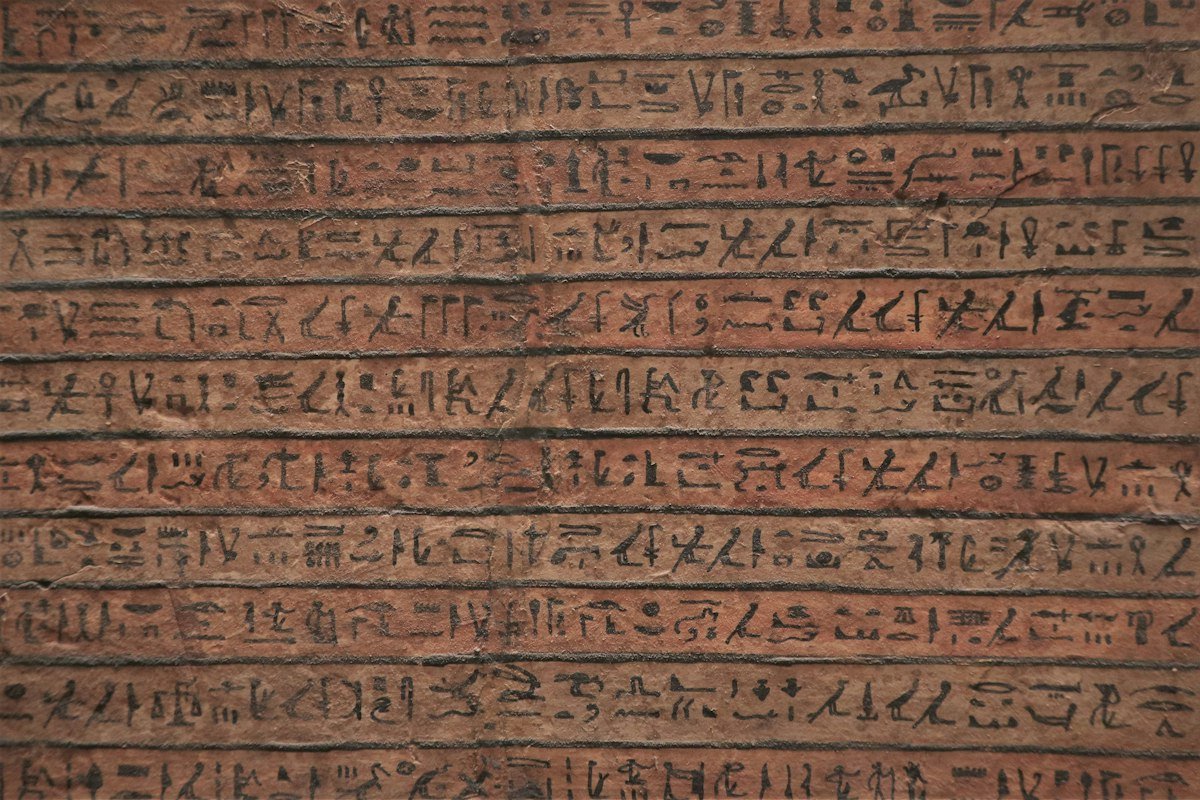
Featured image is illustrative ancient writing, not a tablet from the Kayalıpınar excavation. Photo: Chris Linnett / Unsplash.
Apep Bar asks: When a crisis hits, have our methods of guessing the future changed as much as we think?