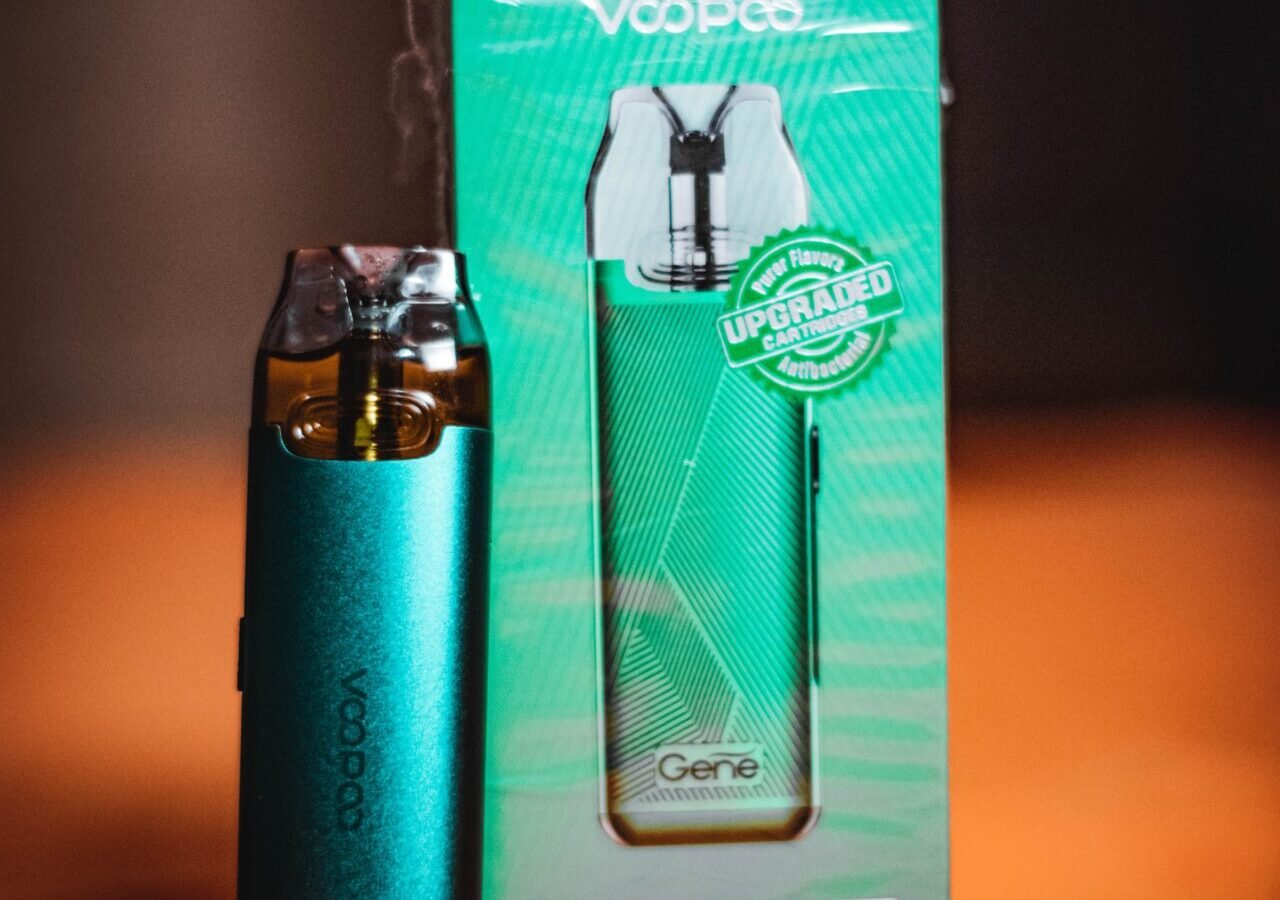
Featured image is a contextual licensed photograph of a vaping device and retail packaging, not a photograph from the Chino police raid. Photo: Zain Ali / Pexels (Pexels License).
California investigators found more than suspected illegal vaping products: equipment that appeared capable of assembling, branding and packaging them inside the United States.
On October 30, 2026, officers raided units in a warehouse complex in Chino, east of Los Angeles, and recovered approximately 850,000 vaping-related items, including devices and components. According to a November 17 Reuters investigation by Emma Rumney, authorities also found branding and shrink-wrapping machinery, packaging supplies and items associated with Geek Bar and Foger, two prominent disposable-vape labels.
That number is not a verified count of 850,000 finished vapes. It includes components and related materials. The larger revelation is the apparent presence of a production or assembly operation where investigators had long focused on products arriving from overseas.
What police say they found
An Ontario Police Department spokesperson described the Chino operation to Reuters. Homeland Security Investigations, Ontario police and other federal or state agencies took part. Ontario police said the equipment suggested the premises were being used to manufacture vaping products unlawfully.
A worker at the site reportedly told investigators the operation began in 2026. Investigators believed both authentic and counterfeit merchandise may have been present. Reuters also reported seeing images of empty packaging and authenticity labels carrying QR codes. When journalists scanned a code printed on a photographed Geek Bar package, the associated website returned an authentic-product verification.
That detail complicates a simple counterfeit narrative. A working verification code is not proof that a specific factory was authorized by a brand owner, and a genuine branded product can still be unauthorized for sale under U.S. tobacco law. Reuters reported no response to its questions from Guangdong Qisitech, the Chinese manufacturer behind Geek Bar, or from Foger Vapes. The report does not establish that either brand owner directed or knew of this particular operation.
“Illegal” and “counterfeit” are different things
The distinction matters. Under federal rules, new e-cigarette products generally need Food and Drug Administration marketing authorization before entering the U.S. market. The FDA’s current authorized e-cigarette list identifies 48 products. It does not include Geek Bar or Foger. The agency says authorization permits marketing; it does not mean a tobacco product is safe or medically approved.
A counterfeit is a product falsely presented as somebody else’s genuine brand. An unauthorized vape, by contrast, may be genuine but lacks the authorization required for lawful U.S. marketing. The two categories can overlap, but they are not interchangeable. The FDA’s enforcement guidance explains that new tobacco products without required authorization can be subject to enforcement, including warnings, financial penalties, seizure or court orders.
From importing vapes to making them here?
The suspected Chino operation hints at an economic adaptation. For years, enforcement attention centered on imported disposable devices, often shipped from China. Steeper tariffs, import screening and major seizures put pressure on that supply route. A domestic packaging or assembly site could reduce reliance on finished-device imports, although this single raid cannot show how widespread that practice has become.
Federal agencies have documented the scale of the import problem. In a May 2025 announcement, the FDA and Customs and Border Protection said they seized nearly two million unauthorized e-cigarettes in a Chicago-area operation, with an estimated retail value of $33.8 million. The agencies said many shipments used vague product descriptions or inaccurate valuations. In September 2025, they announced a larger operation involving 4.7 million units valued at approximately $86.5 million.
Those earlier cases concerned import enforcement. Chino presents a potentially different challenge: officers may have to follow parts, labels, liquids, owners and distributors through a domestic chain rather than intercepting a shipment at a port. Whether the equipment was used to manufacture complete devices, perform final assembly or package partly finished merchandise remains an important question for investigators.
The $9 billion market estimate comes from a competitor
British American Tobacco estimates that unauthorized products account for roughly 70 percent of U.S. vape sales, representing a market worth about $9.25 billion per year, according to Reuters. That is an industry estimate, not a government census of illicit transactions. BAT and other large tobacco companies sell authorized alternatives and have a commercial interest in stricter enforcement of competitors.
Public-health agencies have separate reasons to be concerned. Unauthorized products have not passed the FDA’s required premarket review, and some disposable brands have been marketed in ways appealing to young consumers. But enforcement may also reshape competition in ways that favor incumbents. Both effects deserve scrutiny rather than being treated as the same argument.
What the raid has not answered
As of the Reuters report, several core questions remained unresolved: Who controlled the warehouse units? Where did the parts and nicotine-containing materials originate? Which products were genuine, which were counterfeit, and which were merely unauthorized for U.S. sale? Did the brands named on the packaging have any connection to the site? And what charges, if any, will investigators pursue?
For now, the evidence supports a narrower conclusion than a sweeping claim that Chinese vape companies have relocated their factories wholesale: authorities found an apparent unauthorized vaping production operation on U.S. soil. The scale of any broader shift remains unknown.
The question for regulators is no longer just what crosses the border. It is what happens when the same disputed supply chain can be assembled, labeled and sold on this side of it.