The global internet feels airborne, but much of the traffic travels through physical cables on the ocean floor. A November 11, 2026 analysis from the International Telecommunication Union argues for building network resilience around disruption, rather than treating every break as an unexpected emergency.
A cable is an infrastructure bargain
Submarine cables carry the overwhelming majority of international data traffic. They can be damaged by anchors, fishing activity, natural hazards and other causes. Sabotage is a serious possibility in some settings, but a cut cable is not, on its own, evidence of an intentional attack.
The political geography of repairs
Restoring service requires specialized ships, replacement materials, permits, access to the affected waters and coordination between operators and governments. Large networks may reroute traffic while repairs proceed; communities with only a few connections have less room for error. That imbalance creates an important public-interest question: who finances redundancy, and who waits when repair capacity is scarce?
What resilience would look like
More diversified routes, contingency planning, faster permitting and transparency about outages can make interruptions less damaging. Resilience must also account for terrestrial backhaul, landing stations and the populations most exposed to prolonged disruption. The ITU’s message is not that every cable is about to be attacked; it is that the physical foundations of the digital economy need planning before they fail.
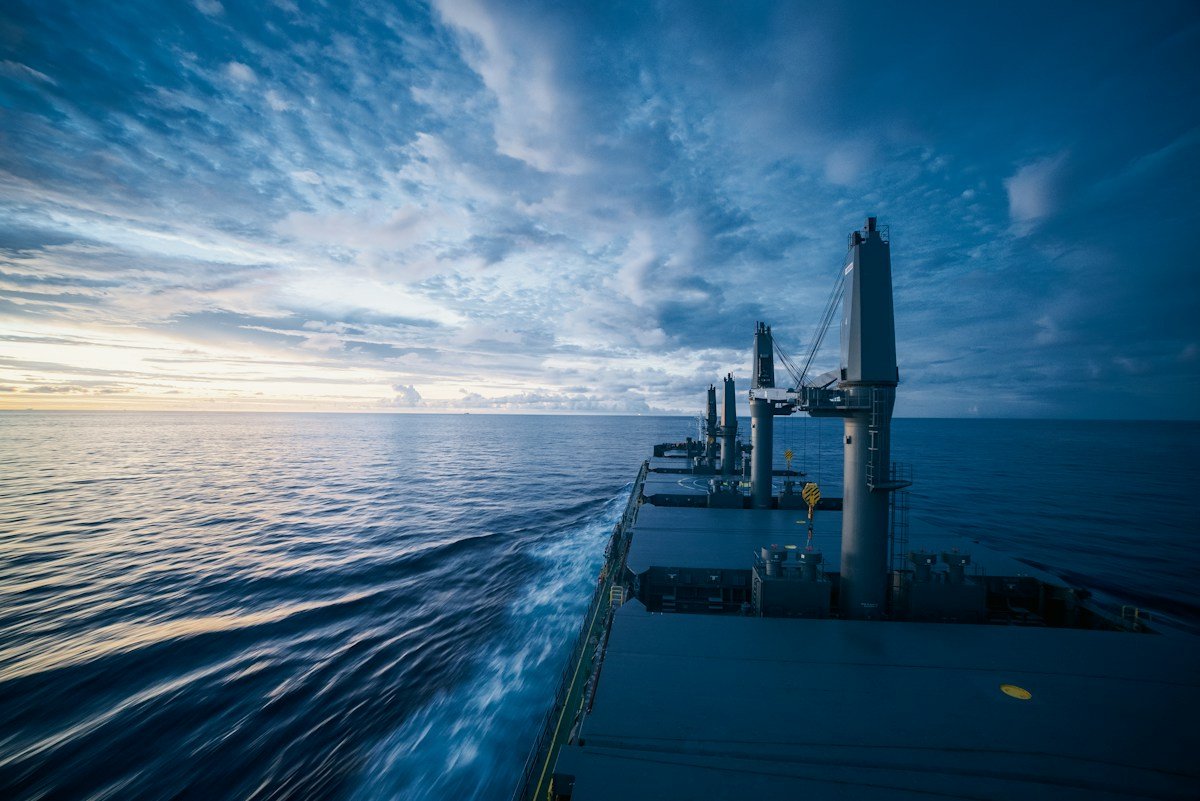
Featured image shows a genuine ship at sea, used illustratively; it is not identified as a submarine cable repair vessel.