Decades before instant satellite imagery, America’s first successful spy satellite had a peculiar delivery system: drop the pictures from orbit and catch them in the air. The declassified CORONA program used photographic film, parachutes and specially equipped aircraft to recover information about the Soviet Union.
Thirteen disappointments before one breakthrough
The joint CIA–Air Force program was concealed behind the public scientific name DISCOVERER. The CIA’s historical account says the first 13 missions failed to return usable imagery. On August 18, 1960, CORONA Mission XIV finally succeeded. In one mission, the agency says, it supplied more photographic coverage of the Soviet Union than all earlier U-2 overflights combined.
The missing part of the technology
The innovation was not merely a camera in orbit. Film had to survive launch, exposure, reentry and atmospheric descent. A parachute slowed the descending capsule while an aircraft attempted to snag it before it reached the sea. That complex chain of steps turned orbital observation into actual intelligence analysts could study.
When pictures checked a dangerous assumption
At the time, American policymakers feared a large Soviet missile or bomber advantage. CIA accounts say CORONA imagery helped show that some earlier estimates were inflated and eventually supported arms-control verification. Surveillance still raises questions about secrecy and accountability, but this record also illustrates how empirical measurements can correct an alarming national narrative.
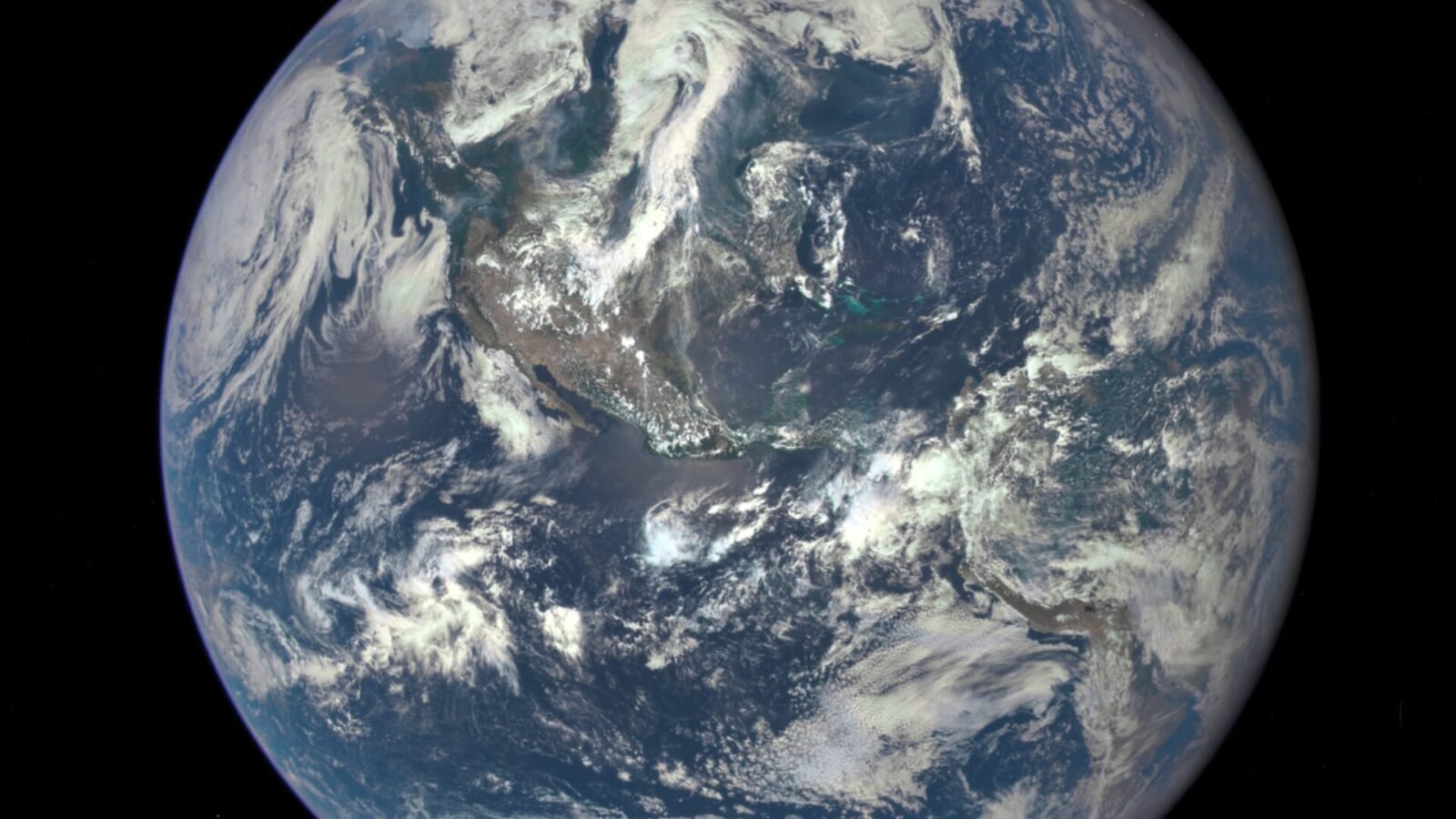
Featured image is an authentic photograph of Earth from space used illustratively, not a CORONA mission image.
Watch the CIA museum’s official CORONA historical video and view its artifacts.