INVESTIGATION | Updated November 10, 2026. A 15-year-old football player in Florida goes from practice to endorsements: a sandwich brand, a sports medicine provider, recovery services, investment-business sponsorships and a social-media posting schedule. Across the state line—or in Texas—a teenager with comparable talent might be barred from signing the same commercial contract while competing for a school.
Welcome to the new American amateurism: it has a marketing department, a compliance form and a bewildering patchwork of state rules.
The Wall Street Journal’s documentary about St. Thomas Aquinas wide receiver Chris Coleman shows both sides. Coleman’s family says he has five NIL deals and another under discussion. Much of the benefit is merchandise or services rather than a disclosed salary. The family presents this as a way to defray the cost of pursuing elite youth athletics. Yet the film also shows an adult-driven concern that a teenager has not posted enough content to maximize his personal brand. It is not an allegation of wrongdoing against Coleman, his parents or his sponsors. It is a revealing portrait of what the marketplace asks of minors.
What our review found: A November 9, 2026 association-rule comparison identifies 44 of 51 jurisdictions (50 states plus D.C.) as allowing some high-school NIL; four prohibit relevant activity and three are limited, dependent on statute or unclear. But even that figure requires a warning: trackers disagree over how to count Arkansas, Texas, Nevada and South Carolina. The issue is not a single national permission slip.
First, the legal myth: a Supreme Court ruling did not simply approve every high-school endorsement
The 2021 Supreme Court decision NCAA v. Alston concerned limits on certain education-related benefits in college athletics. The NCAA then adopted an interim college NIL policy effective July 1, 2021. State law, association bylaws and later college-sports arrangements have developed separately. A high-school player is not automatically governed by the same permission as a college senior, and a private-school athlete may be governed by a different association from a public-school neighbor.
NIL means compensation in exchange for commercial use of a person’s name, image or likeness—such as a sponsored social post, autograph appearance or advertising campaign. It is not, in most high-school frameworks, a license to receive money for winning games, touchdowns, transferring schools or signing with a particular school. Nor is it necessarily cash. Goods, discounted treatment, travel services and apparel may be consideration. Their precise fair-market value, contract obligations and tax treatment matter.
The Coleman business model: a parent, a teenager and five corporate relationships
In the WSJ video, Coleman and his father describe arrangements with Jersey Mike’s (food and sponsored posts), Pro Institute (sports medicine services), CIG Holdings (cash and services), Cooling Zone (recovery services) and Miami Chill Cryotherapy (recovery-related services). The story describes five current deals, with one additional discussion pending, but does not publish the actual contracts, independently establish the total dollar value, or demonstrate that any particular medical or recovery procedure is effective.
The father suggests top-tier youth competition, training and travel can cost families $25,000 to $40,000 annually; he estimates that saving $10,000 on services would be meaningful. Those figures are a family’s estimate, not audited sports-industry averages. A free service can reduce a bill and still create advertising obligations. At one point the conversation shifts to how often the minor ought to post. The economic question becomes a parenting question: when does an athletic scholarship pursuit turn into another job?
Watch the original reporting: The Business Behind a 15-Year-Old Football Star’s NIL Deals — Wall Street Journal (video). This is direct reporting on Chris Coleman, not footage documenting every state in the directory.
The six decisions that can determine whether a deal survives compliance
- Which association governs? A state athletic association, a private-school conference, a city league and a school district can have different requirements. The table below usually describes the principal statewide association, not every independent school.
- What is being sold? A social video or a legitimate advertisement is different from “pay for play,” an enrollment inducement or a promised transfer bonus.
- Whose logo is in the photo? School jerseys, team names, mascots, school buildings and league marks are often forbidden in sponsored content.
- What has to be filed and when? North Carolina can require a proposed contract before signing; Pennsylvania, Virginia and Delaware have 72-hour rules for relevant agreements; Ohio requires a notarized parent/athlete affirmation and reporting within 14 days.
- Who signs for a minor? Parents and guardians may have legal or rules-based roles. The child’s privacy, scheduling, education and exit rights deserve scrutiny, not just the deal size.
- Will the same deal affect college eligibility? Division I incoming athletes must later report covered third-party NIL agreements worth $600 or more in the aggregate, dating from the later of July 1, 2025 or the start of junior year, within 14 days of enrollment or before the first game, whichever occurs first. See the College Sports Commission guidance.
Every state and Washington, D.C.: the rules and real-world examples
How to read this directory: “YES” means some privately negotiated NIL activity is permitted subject to conditions; it does not mean any school, any sponsor, any amount or any contract is legal. “NO” means the relevant school-athletic amateur-status rule does not permit a sport-linked high-school NIL deal. “LIMITED,” “NARROW YES” and “UNCLEAR” require special caution. State names link to state-specific rule summaries and the association sources they cite. Athlete examples were publicly reported while the individual was in high school, not proof of today’s eligibility or a disclosed cash paycheck. We do not manufacture a named athlete where no documented example was located. State rules last cross-checked November 9–10, 2026.
TABLE VIEWING TIP: Scroll sideways to inspect all columns. Each cell stays on one line for comparison.
| State / association | 2026 status | What athletes may and may not do | Documented athlete or market example |
|---|---|---|---|
| Alabama | NO | AHSAA’s amateurism rule has no general high-school NIL exception; paid sport-linked endorsements can cost eligibility. | No named high-school NIL endorsement independently documented in the sources reviewed. This is not evidence that none exists. |
| Alaska | YES | ASAA’s amateur-status carve-out permits personal, independent endorsements; do not use school affiliation. | No named high-school NIL endorsement independently documented in the sources reviewed. This is not evidence that none exists. |
| Arizona | YES | Private promotions allowed; no school marks or booster/collective recruiting. Notify the athletic director within five school days. | Bruce Branch III (Perry HS) signed an Adidas basketball endorsement in 2025. Evidence. |
| Arkansas | LIMITED | AAA still restricts advertising for compensation but defers to Arkansas’s Publicity Rights Act and NIL statutes. Do not assume broad commercial permission. | No named high-school NIL endorsement independently documented in the sources reviewed. This is not evidence that none exists. |
| California | YES | Commercial endorsements allowed without school/team/CIF affiliation, logos or uniforms; CIF Bylaw 212 specifies no statewide notification deadline. | Kaleena Smith (Ontario Christian) signed with Adidas while in high school. Evidence. |
| Colorado | YES | Independent deals permitted; no school identity or NIL collective. Notify school athletic director within 10 days. | Ella Hagen (Summit HS) obtained a Hoka endorsement featuring footwear and appearances. Evidence. |
| Connecticut | YES | CIAC permits private endorsements separate from the team; supply copies of agreements to the school. | No named high-school NIL endorsement independently documented in the sources reviewed. This is not evidence that none exists. |
| Delaware | YES | Private NIL possible without school marks. Signed agent contracts must be reported to the athletic director within 72 hours. | No named high-school NIL endorsement independently documented in the sources reviewed. This is not evidence that none exists. |
| District of Columbia | YES | DCSAA permits private NIL with written notice of endorsements; school/team branding remains off limits. | No named high-school NIL endorsement independently documented in the sources reviewed. This is not evidence that none exists. |
| Florida | YES | FHSAA permits independent endorsements; athlete files an amateurism affidavit with the school within five business days. Recruiting and pay-for-play remain prohibited. | Chris Coleman (St. Thomas Aquinas) described five NIL deals involving food, recovery services and some cash/services in WSJ’s 2026 report. Evidence. |
| Georgia | YES | GHSA allows independent promotions without school/team sponsorship; report the contract within seven calendar days. | Kate Harpring (Marist School) was among high-school basketball prospects signing Adidas deals in 2025. Evidence. |
| Hawaii | NO | HHSAA rule says a contract using a player’s NIL in connection with a sanctioned sport forfeits amateur status in that sport; do not treat this as general endorsement permission. | No named high-school NIL endorsement independently documented in the sources reviewed. This is not evidence that none exists. |
| Idaho | YES | IHSAA amateurism carve-out permits independent endorsements without school association; no uniform reporting period stated. | No named high-school NIL endorsement independently documented in the sources reviewed. This is not evidence that none exists. |
| Illinois | YES | IHSA permits independent personal branding, not use of school equipment, marks or team events. | Myson Johnson-Cook (East St. Louis) joined Nike’s high-school football endorsement roster in 2026. Evidence. |
| Indiana | YES | Effective 2026–27, IHSAA allows NIL under its personal-branding rule; no school identifiers. Give written notice to athletic director within 48 hours. | Indiana lawmakers were told of 54 reported athlete personal-branding agreements by fall 2026; names were not made public in that report. Evidence. |
| Iowa | YES | IHSAA/IGHSAU guidance permits private deals without school ties or performance pay; no statewide notice window. | Jayden McGregory (Valley HS) became a Back2School Iowa nonprofit ambassador, helping promote its school-supply work. Evidence. |
| Kansas | YES | KSHSAA’s interpretation permits personal deals without school logos, facilities or team representation. | Cole Pladson (Clay Center HS) partnered with baseball-bat maker Noble Bats. Evidence. |
| Kentucky | YES | KHSAA permits independent NIL with no school/team promoter or recruiting connection; its published bylaw does not set a clear universal deadline. | No named high-school NIL endorsement independently documented in the sources reviewed. This is not evidence that none exists. |
| Louisiana | YES | 2026 state-law framework allows private NIL with disclosure of proposed deals before signing; a parent signs for a minor. Certain endorsement categories are barred. | Elijah Haven (Dunham School) and Peyton Houston (Evangel Christian) joined Nike’s high-school football NIL roster in 2026. Evidence. |
| Maine | YES | MPA permits private endorsements without school team branding or recruiting arrangements. | Maddie Niles (Lawrence HS) obtained local endorsements including a maple-syrup business. Evidence. |
| Maryland | YES | MPSSAA public-school guidance permits private deals without school logos; private schools may follow different associations. | Alexis Ewing (private Bullis School) partnered with College HUNKS Hauling Junk & Moving; Bullis does not fall under public-school MPSSAA rules. Evidence. |
| Massachusetts | YES | MIAA permits independent endorsements; provide the school copies of each agreement without a specific statewide deadline. | No named high-school NIL endorsement independently documented in the sources reviewed. This is not evidence that none exists. |
| Michigan | YES | MHSAA expanded personal-branding NIL in January 2026; private deals allowed, not collectives or school-linked endorsements. Disclose in writing to school and association. | Keyshawn Summerville (Lansing Sexton) promoted local restaurant EastSide Fish Fry & Grill in 2026. Evidence. |
| Minnesota | YES | MSHSL permits outside branding without school/booster affiliations; its policy does not impose a statewide filing deadline. | Bayliss Flynn (Edina HS) signed a TruStone Financial credit-union promotion involving a debit card and financial education. Evidence. |
| Mississippi | NO | MHSAA Rule 2.39.2 does not allow student-athlete NIL contracts. | No named high-school NIL endorsement independently documented in the sources reviewed. This is not evidence that none exists. |
| Missouri | YES | MSHSAA allows carefully separated personal branding, not compensation tied to competing for or representing a school. | No named high-school NIL endorsement independently documented in the sources reviewed. This is not evidence that none exists. |
| Montana | YES | MHSA permits private branding without school affiliation; collectives are restricted. | No named high-school NIL endorsement independently documented in the sources reviewed. This is not evidence that none exists. |
| Nebraska | YES | NSAA has allowed personal NIL since 2023 without school uniforms, marks or recruitment arrangements. | Juan Gonzalez (Fremont HS), a distance runner, was reported to have a Brooks endorsement. Evidence. |
| Nevada | NARROW YES | NIAA rules allow only endorsements unrelated to the sanctioned school sport; no team, school or NIAA identification. | No named high-school NIL endorsement independently documented in the sources reviewed. This is not evidence that none exists. |
| New Hampshire | YES | Independent personal branding possible; representing a school or taking certain agent arrangements may end eligibility. | No named high-school NIL endorsement independently documented in the sources reviewed. This is not evidence that none exists. |
| New Jersey | YES | NJSIAA permits commercial endorsement outside school team activity, with restrictions on marks and prohibited goods. | Kiyomi McMiller (Life Center Academy) signed a Jordan Brand NIL deal while in high school. Evidence. |
| New Mexico | YES | NMAA permits endorsements unconnected to school, uniforms, team imagery or association identity. | No named high-school NIL endorsement independently documented in the sources reviewed. This is not evidence that none exists. |
| New York | YES | NYSPHSAA permits private NIL away from school affiliation; NYC public schools under PSAL may follow a different regime. | No named high-school NIL endorsement independently documented in the sources reviewed. This is not evidence that none exists. |
| North Carolina | YES | For covered public schools, proposed deals go to administrators 10 business days BEFORE signing and signed copies within five business days AFTER. Parent participation and NIL education required. | Jaxon Dollar (East Lincoln HS) was among Nike’s July 2026 sponsored football prospects. Evidence. |
| North Dakota | YES | NDHSAA allows independent endorsements under amateurism limits; specific additional local policies should be checked. | No named high-school NIL endorsement independently documented in the sources reviewed. This is not evidence that none exists. |
| Ohio | YES | OHSAA authorized NIL in November 2025; no pay for playing. Parent/athlete notarized affirmation and full contract must be filed within 14 days. | OHSAA reported 32 high-school athlete NIL deals by February 2026; that account did not identify all students. Evidence. |
| Oklahoma | YES | OSSAA allows personal NIL without school marks; deals paying $200 or more must be reported to athletic director within 14 days. | No named high-school NIL endorsement independently documented in the sources reviewed. This is not evidence that none exists. |
| Oregon | YES | OSAA requires proposed agreements be disclosed to the school; no school facilities, uniforms, marks or team representation in promotions. | No named high-school NIL endorsement independently documented in the sources reviewed. This is not evidence that none exists. |
| Pennsylvania | YES | PIAA permits personal endorsement without school marks; disclose the deal to principal or athletic director within 72 hours. | Rodney Gallagher (Laurel Highlands HS) announced a commercial deal with The Pavement Group after PIAA changed its rules. Evidence. |
| Rhode Island | YES | RIIL permits independent NIL outside school affiliation; no statewide notification deadline stated. | No named high-school NIL endorsement independently documented in the sources reviewed. This is not evidence that none exists. |
| South Carolina | UNCLEAR | The 2026–27 SCHSL handbook literally says students 'may not earn' NIL pay while listing standards for permissible pay. A separate state measure points to a district-level ban in 2027. Seek written ruling before any deal. | No named high-school NIL endorsement independently documented in the sources reviewed. This is not evidence that none exists. |
| South Dakota | YES | SDHSAA permits off-campus, independent branding; no pay for performance, recruitment or use of school identity. | No named high-school NIL endorsement independently documented in the sources reviewed. This is not evidence that none exists. |
| Tennessee | YES | TSSAA permits personal-brand endorsements unrelated to school or specific game performance; no association filing requirement stated. | Jared Curtis (Nashville Christian) signed a Leaf Trading Cards autograph NIL deal while a high-school quarterback. Evidence. |
| Texas | LIMITED | UIL athletes 17+ may sign NIL only with postsecondary institutions. Third-party brand agreements cannot be executed until UIL eligibility in that sport ends; 16-and-under cannot sign such agreements. | The DeSoto HS players shown in WSJ’s Florida–Texas game illustrate the restriction; the report does not document a legal Texas high-school commercial NIL deal. Evidence. |
| Utah | YES | UHSAA permits personal NIL without school uniforms, marks, team affiliation or payments to recruit. | No named high-school NIL endorsement independently documented in the sources reviewed. This is not evidence that none exists. |
| Vermont | YES | VPA permits independent endorsements without school branding; local school rules may be stricter. | No named high-school NIL endorsement independently documented in the sources reviewed. This is not evidence that none exists. |
| Virginia | YES | VHSL permits personal endorsements without school identity; disclose contract in writing within 72 hours on the league form. | No named high-school NIL endorsement independently documented in the sources reviewed. This is not evidence that none exists. |
| Washington | YES | WIAA allows outside NIL without school/team affiliation or school marks. | Sione Kaho (Lincoln HS, Tacoma) was reported to have a local sponsorship with Secret Burger Kitchen. Evidence. |
| West Virginia | YES | WVSSAC allows independent NIL for eligible school athletes, including some younger grades, without school promotion. | Kayli Kellogg was reported to have a Vision Homes sponsorship while playing high-school basketball. Evidence. |
| Wisconsin | YES | WIAA permits personal deals without school/team links but explicitly forbids NIL agents or athlete representation. | Darcy Doyle (University School of Milwaukee) signed a lacrosse NIL partnership with Walny Legal Group. Evidence. |
| Wyoming | NO | State law in force July 2026 prohibits NIL deals for high-school student-athletes. | No named high-school NIL endorsement independently documented in the sources reviewed. This is not evidence that none exists. |
Four prohibitions—and three classifications that expose the limits of NIL maps
Alabama, Hawaii, Mississippi and Wyoming are the four states the rulebook-based comparison classifies as prohibiting relevant high-school NIL. Hawaii’s language is particularly about forfeiting amateur status in the sanctioned sport. This is not a blanket claim that a student can never work, operate a business or receive compensation outside sport; it is a warning about endorsement contracts and interscholastic eligibility.
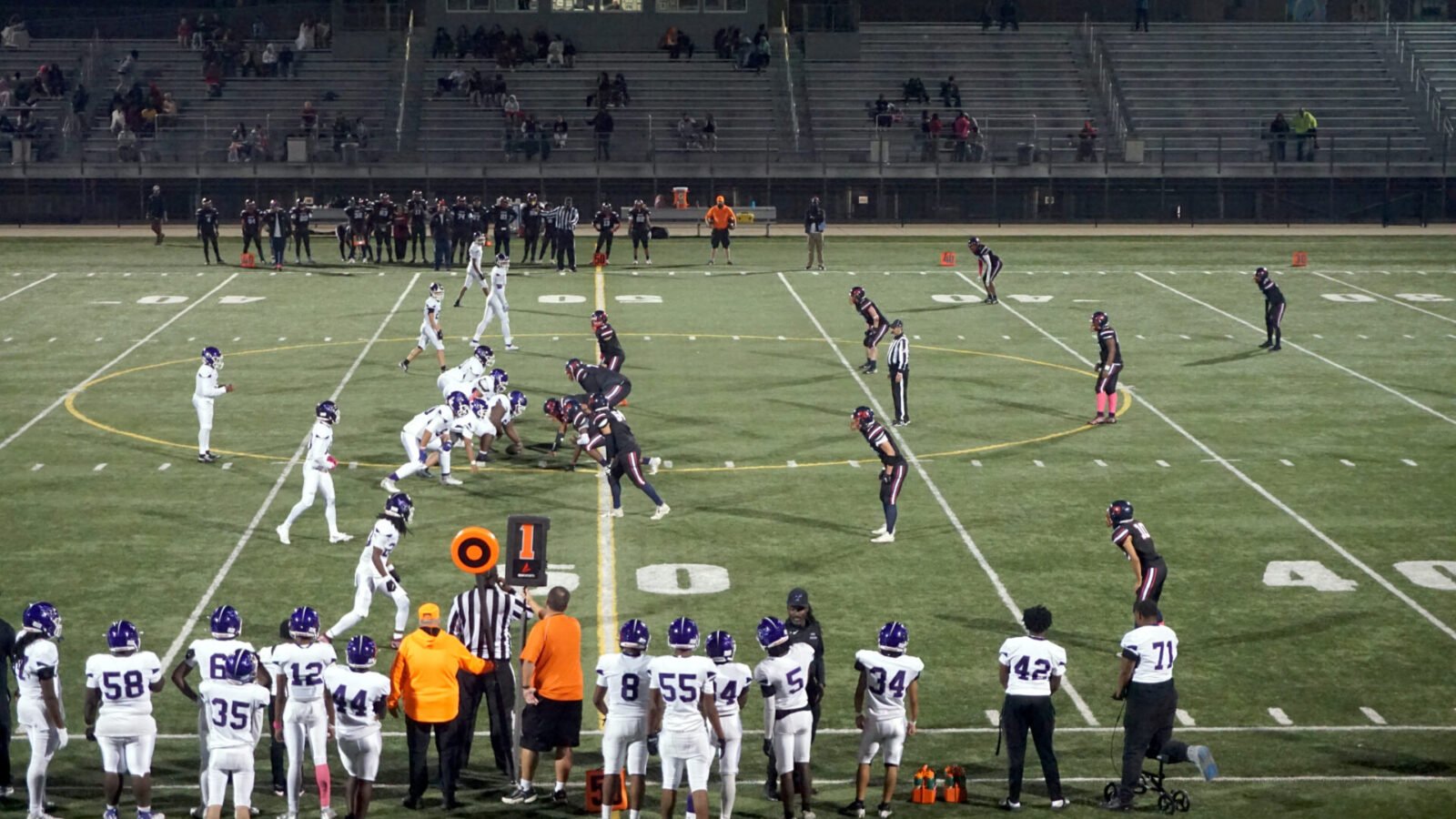
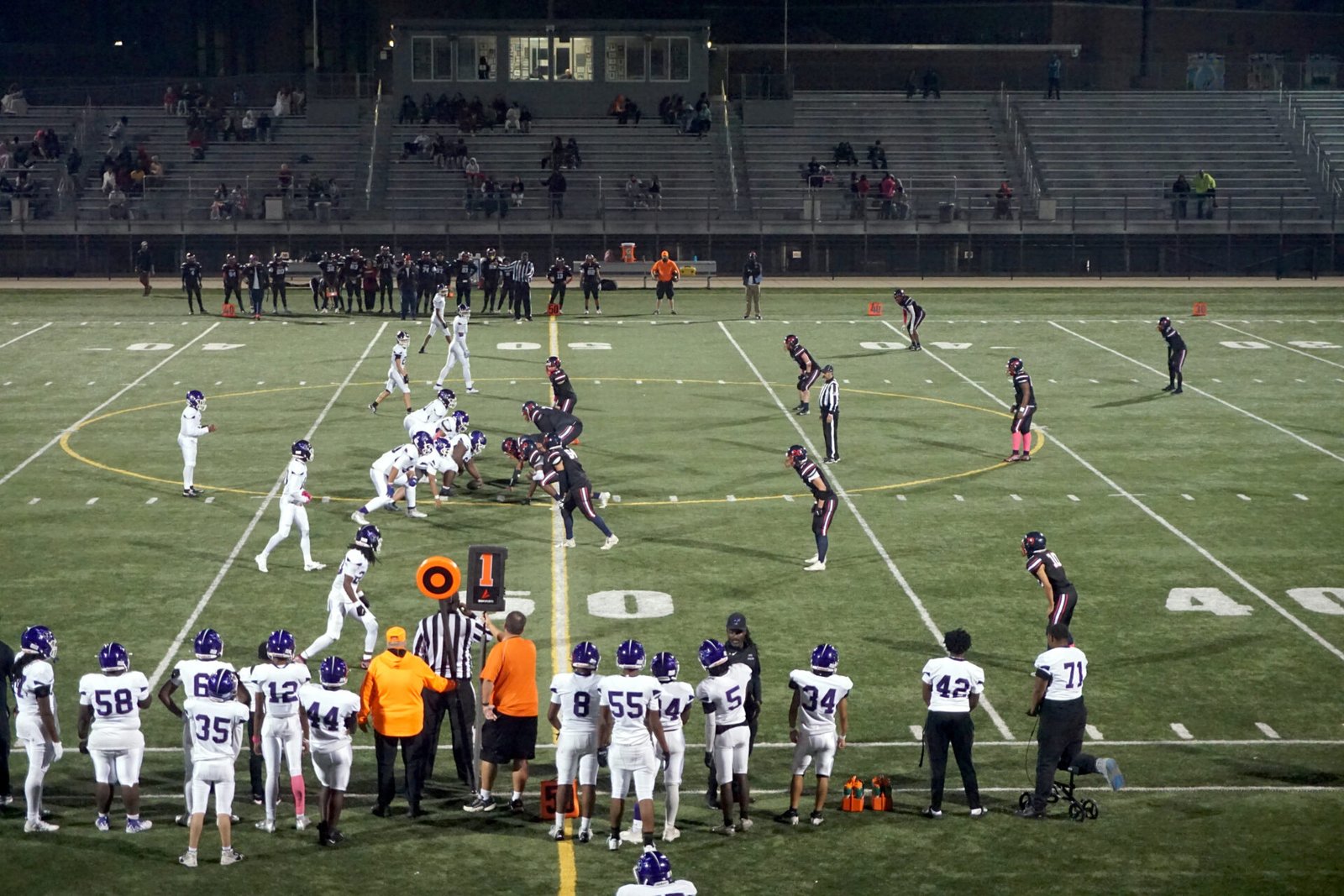
Texas is not an unrestricted “yes.” UIL Section 441 guidance permits a prospective college athlete aged 17 or older to sign certain NIL agreements only with postsecondary institutions while still eligible. Third-party commercial deals have to wait until UIL eligibility in that sport is exhausted. A 16-year-old and family members cannot simply sign around the restriction. In the WSJ report, DeSoto’s Texas players compete against a Florida team whose featured player already has a portfolio of local commercial sponsors. This is a real state-policy disparity; it is not evidence that the Texas athletes broke any rule.
Arkansas is no simple yes/no. The AAA handbook prohibits advertising for pay but points to Arkansas’s Student-Athlete Publicity Rights Act and other NIL statutes. That means a contract needs a statute-specific reading, not an assumption drawn from a colored national map.
South Carolina poses an even stranger problem. The 2026–27 South Carolina High School League handbook, Article III, Section 14 uses the words “may not earn compensation” while immediately listing restrictions on compensation, logos, recruiting and activities. The internal inconsistency is not something a teenager should be left to interpret on a legal deadline. State legislation adds another future district-policy complication. Unless the association clarifies its current text, the defensible advice is to obtain a written eligibility ruling before signing.
Paydays versus press releases: who is actually making money?
There is an advertising market, but it does not distribute money evenly. In Sports Illustrated’s 2026 examination, Nike high-school sponsorships included quarterbacks Elijah Haven and Peyton Houston in Louisiana, Jaxon Dollar in North Carolina and Myson Johnson-Cook in Illinois. Adidas has signed select basketball prospects. These are striking examples, but they are not representative of what the average high-school athlete earns.
That same report cites North Carolina disclosures in which the largest agreement for the 2025–26 school year was $25,000, while a range of reported payments was $200 to $700. Some arrangements offer clothing, meals or access to services and do not disclose cash. A reported “NIL valuation” is an estimate of potential marketability—not a deposit in the athlete’s bank account.
There is also an access problem. The player whose family can afford training, film production, social-management advice, private coaching and travel may become easier for sponsors to find. A small-town athlete with comparable talent but fewer resources could be invisible. That is an inference about incentives, not proof that any named sponsor has discriminated or that every successful athlete comes from wealth.
Follow the obligations: contracts, taxes and the rules of advertising
The IRS says NIL income can arrive as cash, property or services and generally must be reported even if no tax form arrives from a sponsor. If a recovery provider gives a minor free services in exchange for an advertisement, the tax and contract question does not disappear merely because no paycheck is written. Fair-market valuation and individual tax facts matter.
FTC endorsement guidance requires clear disclosure of material brand relationships, including free or discounted products or services. Sponsors and athletes should not bury the connection in hashtags, and health-related advertising cannot make unsupported medical claims. Parents signing for a minor should also understand how long a sponsor can use the child’s likeness, whether it may edit or reuse videos, what happens if the athlete is injured or leaves a team, whether the child can terminate, and what personal data are collected.
College recruiting introduces a further trap: a profitable high-school promotion can be scrutinized when an athlete moves to NCAA Division I. The College Sports Commission requires disclosure of qualifying pre-college third-party agreements and examines school-connected arrangements for a legitimate business purpose and reasonable compensation. The newer college revenue-sharing system does not erase high-school league rules.
What the NIL debate gets right—and what both sides miss
Supporters have a legitimate point: a teenager whose commercial image sells shoes or sandwiches should not automatically be the only person in the promotion barred from compensation. Local sponsors can help cover travel, equipment or expenses that otherwise exclude families. The WSJ documentary offers a concrete example of how the value of meals or services can matter without a headline six-figure check.
Critics have a legitimate concern too: the system can move the pressures of talent scouting, social-media labor and contract negotiation into childhood. It may aggravate team disputes, turn minors into always-on marketers, expose personal information and make athletic participation more contingent on a family’s business skill. Banning everything, however, can move commercial value to parties other than the athlete without necessarily reducing the industry’s pressure to perform.
There is no documented basis here to accuse Coleman’s sponsors or family of exploitation or a rules violation. The investigation is into the structure of the market, uneven regulation and gaps in public transparency. Parents, schools, state associations and sponsors all share responsibility for making sure the athlete understands the real price of “free.”
What policymakers should publish next
State leagues could make one searchable, dated public summary stating the permitted deal types, restricted sectors, school-branding rules, filing windows, appeals mechanism, and the difference between independent sponsorship and recruiting inducement. They could report anonymized numbers and value bands, not children’s private contracts. Education on tax forms, FTC disclosures and digital rights ought to arrive before a company contract does.
For athletes and parents, the safest first step is to identify the exact governing association and school policy, keep the written contract and valuation of any in-kind benefits, ask for advice independent of the sponsor and meet every reporting deadline. What protects the child is not a viral deal announcement; it is an enforceable agreement that allows them to remain a student first.
The larger question remains: if a school-aged athlete’s fame is already valuable enough to sell, who has the power to set the price—and who protects the athlete after the cameras stop rolling?
Sources and methodology
Updated November 10, 2026. The state-by-state guide is a reporting index, not an eligibility ruling or comprehensive catalog of private sponsorships. Principal state association rules and dated rule texts were compiled from the linked 2026–27 association-rule index and selected original governing documents; direct primary sources are prioritized below. Athlete examples are separately linked to named public reports. State associations, individual schools and federal rules may apply simultaneously. A blank athlete example is a limit of documented public evidence, not a finding that NIL deals do not occur there.
- Association-by-association 2026–27 rule index, links to original bylaw documents
- Texas UIL Section 441: 17+ college-agreement exception
- Florida FHSAA: amateurism, affidavit and NIL materials
- Ohio OHSAA: current NIL bylaw and 14-day report instructions
- South Carolina SCHSL 2026–27 bylaw, Section 14 (PDF)
- College Sports Commission: Division I prospect NIL obligations
- Internal Revenue Service: NIL income, including services and goods
- Federal Trade Commission: social influencer sponsorship disclosures
- Sports Illustrated: 2026 Nike and Adidas high-school endorsements and deal-size limits
- Wall Street Journal original video report