The federal government can spend money on artificial intelligence faster than it can build the institutional memory to buy it wisely. That is the concern in an April 2026 Government Accountability Office review of how agencies acquire AI tools.
A fast-growing procurement problem
GAO says reported federal AI use more than doubled between 2023 and 2024. Agencies described practical barriers to evaluating vendor proposals: difficulty finding technical specialists, uncertainty about the true cost of systems and challenges comparing fast-moving commercial offerings. Those are not glamorous problems, but they can decide whether a tool works after its contract is signed.
The lesson nobody keeps
Perhaps the most telling finding is procedural. The agencies GAO reviewed did not routinely collect and share lessons learned from AI acquisitions. That can force a government buyer to repeat another team’s mistakes in pricing, contract terms or the definition of success. A system advertised as intelligent still depends on the judgment and records of the people choosing it.
What oversight should demand
A meaningful purchasing review would ask how the AI was tested, which use cases were considered, what expertise evaluated the proposal, how costs change over the contract period, and what the agency did when a deployment disappointed. GAO recommended improving the collection and use of procurement lessons. These findings establish weaknesses in acquisition practices; they do not prove that every federal AI purchase is wasteful or that any identified vendor committed wrongdoing.
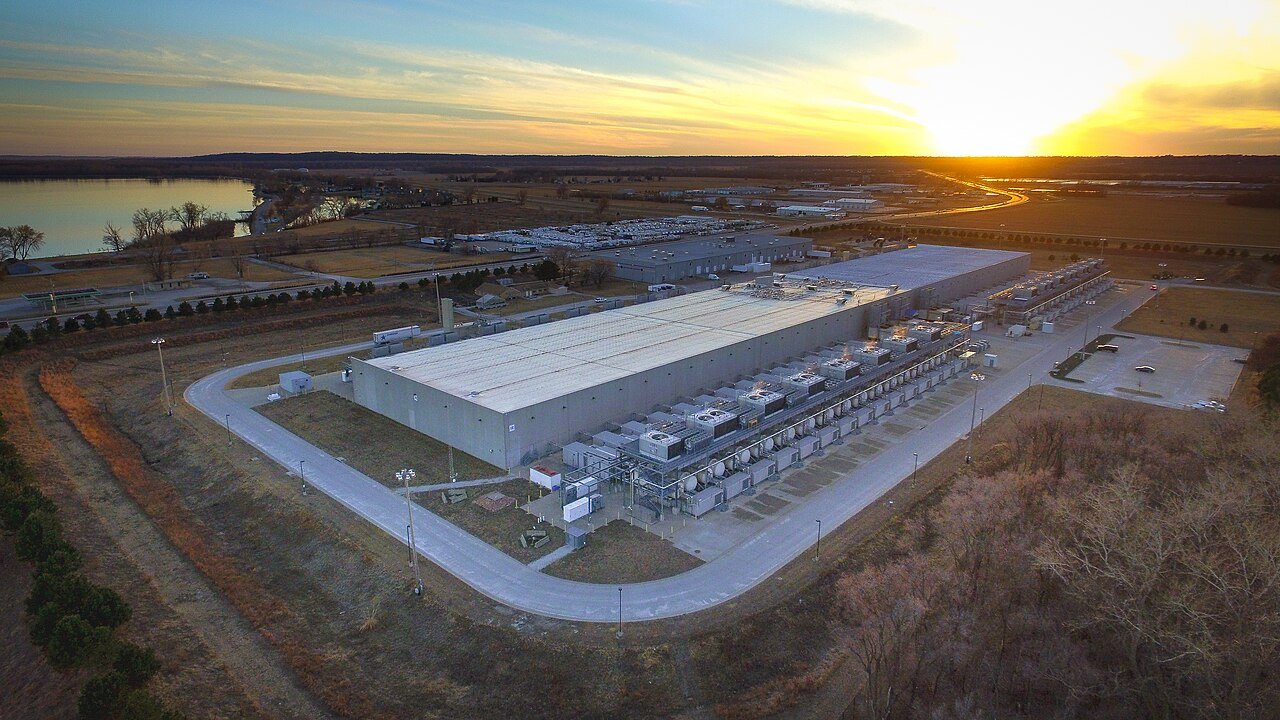
Featured photograph depicts an actual commercial data center, contextual to computing infrastructure and not a federal AI procurement site.