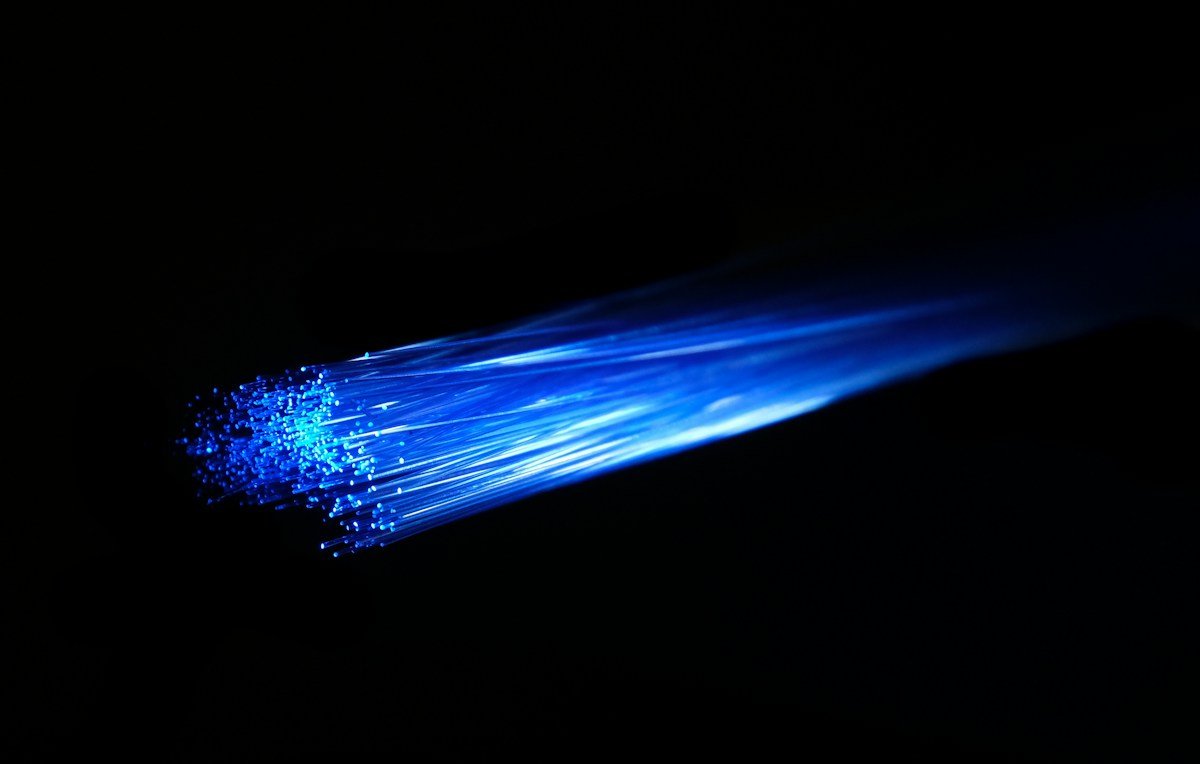
INVESTIGATIONS / SURVEILLANCE — OCTOBER 27, 2026. A few thin strands of glass, surrounded by protective layers and laid across the ocean floor, carry much of the world’s international digital communications. They are easy to forget because they are almost entirely invisible from shore. But as rival powers increase their attention to seabed infrastructure, the cables connecting continents have become a strategic security concern—and a tempting subject for dramatic claims about sabotage.
A reader-shared video titled “Undersea Cables Targeted” raises the issue. The clip’s full spoken words were not independently accessible, so this article does not attribute specific claims to its narrator. Instead, we examine what authorities, industry experts and investigative reporting actually establish about cable damage, suspicious vessels and the risk of deliberate interference.
1. The internet’s hidden geography
Most intercontinental data does not travel by satellite. Submarine fiber-optic cables form the physical routes carrying the overwhelming majority of international internet traffic. Their importance extends far beyond streaming and social media: business transactions, financial communication, cloud services, research institutions, diplomatic operations and emergency connectivity depend on resilient international networks.
Cable routes cross oceans but enter and leave them at particular coastal landing sites. The ocean provides physical separation from casual interference, yet shore approaches, shallow passages and geographically concentrated routes can create vulnerabilities. A cable may be thousands of kilometers long, while a disruption at a chokepoint can affect many networks at once.
2. The ordinary explanation for most cable breaks
Undersea cables are damaged every year. According to the International Cable Protection Committee (ICPC), the world experiences approximately 150 to 200 submarine telecommunications cable faults annually; roughly 70 to 80 percent are associated with accidental human activity, including fishing gear and vessel anchors. Other causes include seabed movement, geological events and equipment failures.
That statistical background does not rule out deliberate sabotage. It prevents analysts from treating each outage as proof of it. A snapped cable accompanied by a nearby ship creates a question requiring marine tracking records, anchor and fishing activity, engineering analysis, physical inspection and sometimes law-enforcement investigation. A vessel’s presence near a route is not equivalent to evidence that it attacked the line.
3. April 2026: Britain and Norway warn of Russian undersea activity
In April 2026, Britain and Norway publicly described suspicious activity by Russian naval and submarine assets close to critical undersea infrastructure in the North Atlantic. Their statements focused on monitoring, deterrence and the risk that reconnaissance around cables and pipelines could create opportunities for disruption.
The important distinction is suspicious activity versus a demonstrated attack. Official warnings reflect authorities’ security assessments and may draw on information that is not public. They do not, by themselves, prove that a particular cable was cut or that every vessel operating nearby was conducting sabotage.
4. The Svalbard allegation: a reported exercise, not a completed outage
A September 2026 Reuters investigation described Western officials’ account of a suspected Russian operation near Svalbard involving specialized undersea equipment and a cable-related target. The officials said the activity was disrupted before damage occurred. These are significant allegations, but they remain attributed to the reporting and the officials describing the operation; not every operational detail has been independently exposed for public verification.
Even if such an operation is accurately characterized, a foiled or monitored effort is different from a confirmed severed cable. Public discussion needs to separate reconnaissance, positioning equipment, training exercises, attempted sabotage and successful sabotage. Each requires different evidence.
5. The Baltic incidents and NATO’s response
The Baltic Sea has experienced a series of high-profile cable and infrastructure incidents. Some cases led investigators to scrutinize vessels, dragged anchors and possible deliberate damage; others have involved alternative explanations. Authorities have not reached the same conclusion about every event, and investigations and court proceedings must be distinguished from public speculation.
NATO launched its Baltic Sentry effort in January 2025 to strengthen monitoring and deterrence around critical undersea infrastructure. Its response demonstrates that allies see vulnerability as a real security problem even where attribution for individual cable breaks remains uncertain. Greater maritime surveillance, ship tracking, patrols and cooperation with commercial operators are part of that response.
6. The Pacific: what U.S. warnings say about Chinese capabilities
U.S. security assessments have raised concerns about China’s potential ability to survey, disrupt or repair deep-sea cable systems, particularly amid tensions involving Taiwan and other strategically important routes. A government assessment of capability does not, by itself, establish that a particular nation caused every previously reported outage.
Separating technical capability, operational planning, allegations about vessels and independently established sabotage is essential. Governments may have legitimate reasons to prepare for worst-case scenarios while journalists still demand verifiable evidence before assigning responsibility for a specific incident.
7. How a cable could become a strategic target
Interfering with an undersea communications cable could delay data flows, impose rerouting costs or reduce redundancy for an island or region with few alternative paths. The effect depends on network architecture: well-connected regions may divert traffic through other cables, while a remote location served by only one or two systems may suffer a much larger disruption.
An attacker also faces obstacles. Routes may be known in broad terms but conditions at sea and on the ocean floor vary; faults can be localized through network diagnostics, and a repair vessel can restore service. Strategic effects are therefore neither guaranteed nor identical across countries. The mere possibility of disruption does not mean the entire global internet could be switched off by a single vessel.
8. What cable repairs actually involve
Operators normally detect a fault through optical-network measurements and service disruptions, estimate its location, and dispatch specialized repair teams. Depending on depth and conditions, crews use purpose-built equipment to recover damaged sections, splice fiber-optic connections and return the cable to the seabed. Weather, vessel availability, permits and physical conditions can affect repair times.
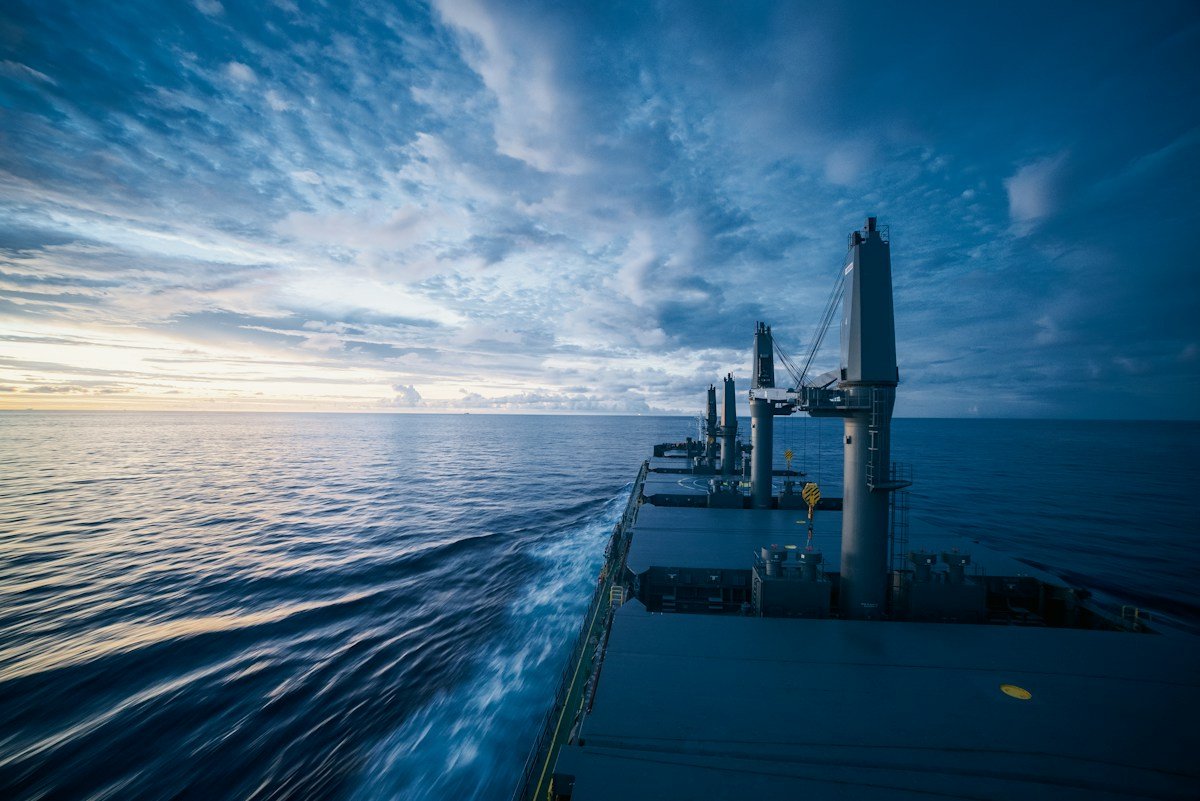
Repairs also create a useful evidentiary opportunity. Physical inspection can reveal damage patterns consistent with crushing, abrasion, pulling or other stresses. Such findings can support an inquiry, although determining intent still requires more than observing mechanical damage.
9. Why the attribution question is so difficult
Ocean currents, positioning errors, imperfect ship-tracking data and busy shipping routes can obscure precisely what occurred. Vessel tracking systems may have gaps; an anchor may be dragged unintentionally; and a cable can fail from mechanical or geological stresses unrelated to sabotage. Conversely, an intentionally damaged cable could initially look like an accident.
A credible public investigation therefore combines engineering evidence, ship records, witness accounts, relevant intelligence where it can be disclosed, and legal findings. Anonymous assertions and striking maps are not substitutes for that work. When officials withhold operational intelligence, reporters should state what is independently known and what rests on official claims.
10. Protecting the network without turning speculation into certainty
Governments and telecommunications operators can invest in diverse routes, additional cable capacity, resilient landing stations, faster repair capability, incident reporting and careful maritime monitoring. NATO’s activity in the Baltic reflects one part of that effort; commercial investment in redundancy is another.
The strongest public oversight would require clear reporting on which cables failed, what technical investigation established, the duration and scale of disruption, and whether a competent authority has attributed a deliberate act. People should take strategic vulnerability seriously without accepting that every accidental cut is an attack.
Apep Bar’s question
If the international internet depends on infrastructure most of us will never see, how much evidence should governments have to provide before describing damage to that infrastructure as an act of sabotage?
Question. Investigate. Reconsider.
References and editorial transparency
Reader-submitted YouTube Short: Undersea Cables Targeted · International Cable Protection Committee: cable fault and protection information · NATO: Baltic Sentry and critical undersea infrastructure · Reuters: investigative reporting on alleged undersea operations near Svalbard · TeleGeography: Submarine Cable Map.
Editorial note: The Short could not be independently transcribed. Facts from public cable-industry materials are distinguished from national-security assessments and attributed reports of suspected activity. No particular country is described as the proven perpetrator of an incident without conclusive public evidence. Featured image: Compare Fibre / Unsplash; the fiber-optic photograph is illustrative, not the cable or damage from a reported incident.