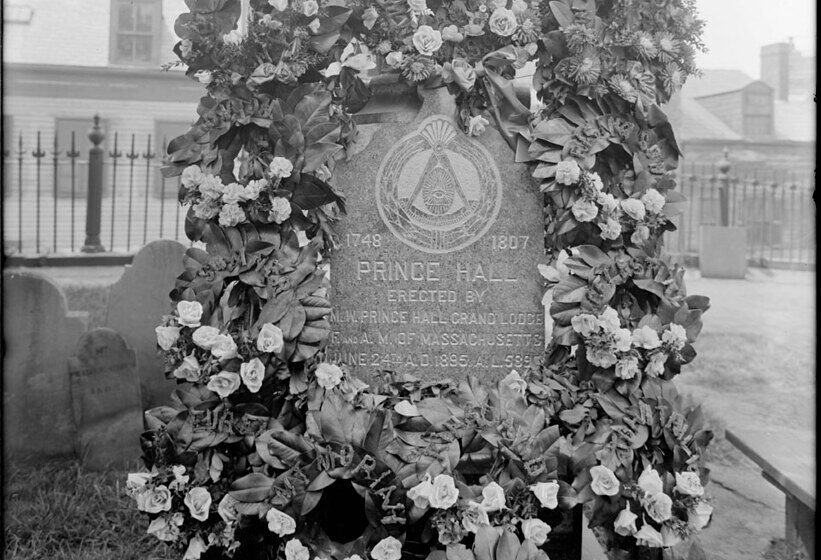
A shelf and mirror in the Smithsonian American Art Museum offers an unusual route into the private world of nineteenth-century fraternal organizations. The museum identifies the object as probably made for a member of the Independent Order of Odd Fellows and explains how fraternal symbols decorated personal possessions.
What the evidence shows
Such objects show that the boundary between public appearance and private association was more complicated than the term secret society suggests. A symbol could affirm membership or a moral commitment without revealing every aspect of a group’s initiation ceremonies.
What remains unresolved
The museum’s careful wording also matters: the object’s likely affiliation is a curatorial interpretation, not an independently verified account of its maker’s identity. Material culture reveals how membership was expressed, but it cannot prove sweeping claims of hidden political control.
Source: Read the original source or reporting.
Featured image: Contextual Odd Fellows lodge photograph: Bohemian Baltimore, CC BY-SA 4.0; not the Smithsonian object.
Question. Investigate. Reconsider.