A skull in a collection sounds like the moment a cryptid mystery should become easy. In this case, the person who recovered it says the identification remains uncertain.
Date check: Wildlife writer Chester Moore published his examination on October 6, 2026. That publication falls within our nine-day search window. The article does not date the original discovery, so this is fresh coverage of an older, undated encounter—not a newly confirmed sighting.
The remains behind the name
Moore says his friend David Clever found an unusual carcass after a flash flood. It appeared largely hairless, with wrinkled gray skin. Moore later recovered remains and retained the skull.
His assessment is that the animal was probably a coyote or domestic dog. He expressly acknowledges that, without genetic testing, he cannot identify it definitively.
Could the ordinary look extraordinary?
Moore’s proposed explanation emphasizes severe mange and the way hair loss can change an animal’s appearance. He also describes a separate nighttime encounter that he identified as a domestic dog with extensive hair loss.
Those explanations deserve attention, but a plausible explanation and a demonstrated identification are different achievements. Apep Bar has not examined the skull or independently authenticated the account.
What would resolve this case?
The strongest next step would be a documented examination of the actual specimen. A qualified assessment of its anatomy, supported where feasible by genetic analysis and a record of its handling, would carry more weight than a dramatic label.
One identified carcass also cannot settle every story told under the same name. Each case needs its own evidence. Treating all strange animals as one creature makes the folklore simpler while making the investigation harder.
The interesting question is not whether the remains look unsettling. It is what evidence can reliably tell us what they were.
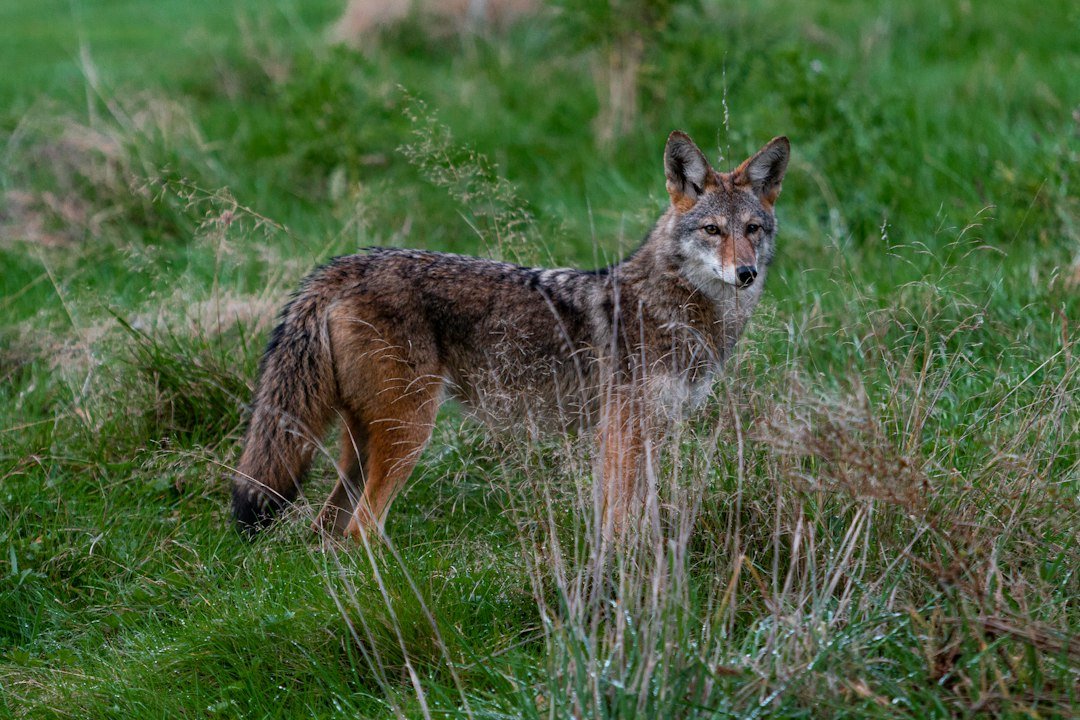
Featured image: illustrative stock photograph of a wild canid, not the reported carcass or proof of its identity. Photo by Dylan Ferreira via Unsplash.
If the skull belongs to a familiar animal, does that end the mystery—or reveal how the legend grows?
Question. Investigate. Reconsider.