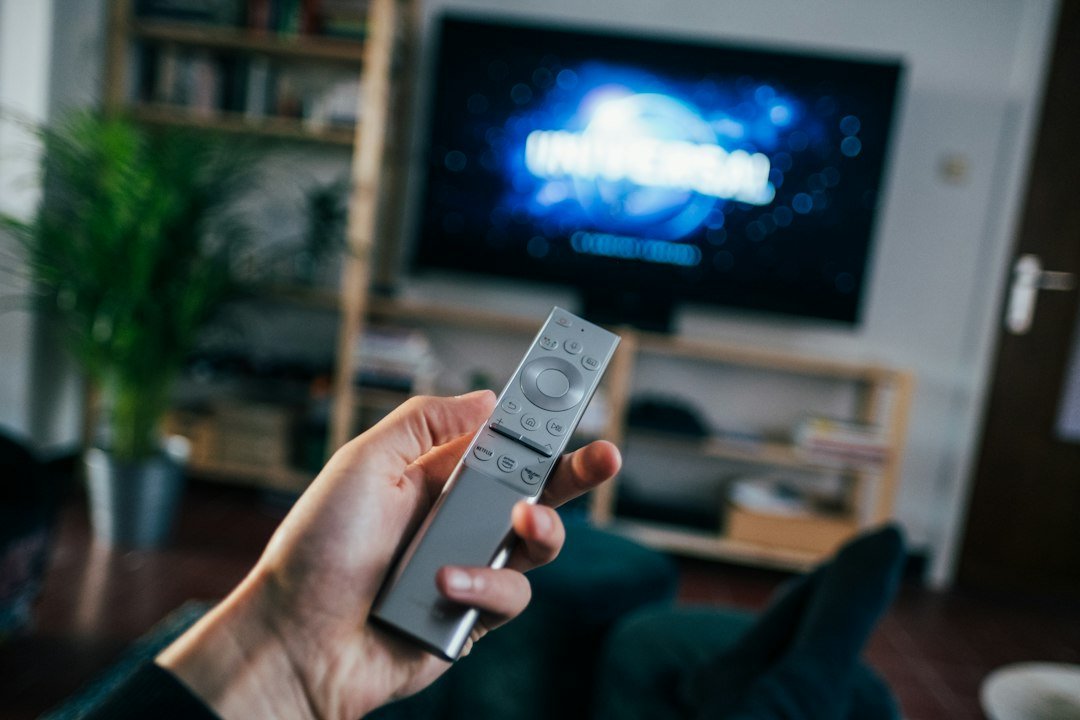
A researcher digging through a 2025 Samsung television says its software contains a startling collection of tracking, profiling and microphone-related functions. The most unnerving allegation: a TV with no built-in microphone might seek one through a connected soundbar. But the evidence has an important missing piece—and Samsung disputes part of the story.
Apep Bar | Surveillance & Investigations | October 30, 2026
Watch: Samsung TV Privacy Horrors (YouTube Shorts). Original researcher: log4j’s October 21 post and the follow-up listing software functions.
Your Television Knows What You Watch. But Does It Hear You, Too?
The television is the respectable member of the surveillance family. It sits in the living room, displays the weather, streams a movie and occasionally suggests something suspiciously close to what you were just thinking about. The unsettling question is how much of the household it can observe while doing all that.
On October 21, a security researcher posting as log4j said unusually targeted advertisements on a relatively new Samsung TV inspired a deeper inspection. The researcher said the firmware was encrypted, so they exploited vulnerabilities to gain high-level access to the TV’s Tizen operating system. What followed was a series of screenshots and claims about background services—including a file named security-policy.xml.
In those posts, log4j identified code associated with automatic content recognition (ACR), geo-positioning, home-network mapping, targeted advertising, user profiles and an “always on voice” package. The researcher also listed four digital-rights-management systems. DRM services themselves are not evidence of spying; they are commonly used to protect licensed video streams. Decrypt documented the original posts.
The Soundbar Microphone Allegation
The most combustible claim is not that a smart TV tracks what appears on screen. It is the suggestion that its software can look for microphones in connected soundbars or Bluetooth devices when a built-in microphone is absent.
Log4j reported discovering code that appears to identify those external microphone capabilities. What has not been publicly demonstrated is the crucial next step: that an ordinary, unmodified Samsung TV secretly activates an external microphone, records private conversations and sends that audio to Samsung. The original researcher’s findings do not establish that sequence. Android Authority’s October 28 review reached the same distinction.
Finding a microphone-detection routine is a legitimate reason to ask questions, but it is not proof of covert listening. Such routines could also support legitimate applications that need to locate an available microphone. Nor does the phrase “always on voice” by itself establish that raw conversations are continuously recorded or transmitted. Researchers would need reproducible tests, code-path analysis and carefully examined network traffic to demonstrate that.
Samsung Really Does Advertise Sound Detection
There is a twist. Samsung has publicly described Pet Care and Family Care functionality on compatible Vision AI televisions, using connected SmartThings services to recognize noises such as dogs barking or babies crying and notify the owner. Samsung’s Vision AI support page describes that capability. TechRadar reported on October 29 that Samsung had begun discontinuing Family Care because of limited use and false positives.
These advertised features do not establish that the company secretly captures everyone’s conversations. They do establish that microphones, ambient-sound classification and household monitoring are real design features in parts of the smart-TV ecosystem. The questions become more precise: Which devices support them? Are they enabled? What processing occurs locally? What event data leaves the TV? And does consent cover all of it?
The Tracking Technology That Is Not a Conspiracy Theory
Automatic Content Recognition is real, and Samsung documents it. ACR can use digital fingerprints of what is displayed to identify viewing content and associate it with a viewing history. According to Samsung’s own ACR explanation, information associated with the optional Viewing Information Services feature may include the programs watched, viewing duration, TV identifiers and IP addresses. Samsung says users must opt in and can disable it.
That matters because this is a documented data-collection mechanism, not a theory inferred from a mysterious code name. What remains disputed is log4j’s allegation that some ACR telemetry may continue even after the setting has been disabled.
Samsung told TechRadar in an October 29 statement that ACR is not switched on by default and that disabling it stops the collection or transmission of viewing information. That is the company’s stated position; it should not be silently replaced with the opposite claim.
There is independent evidence relevant to that dispute. TV-testing publication RTINGS measured network traffic on a Samsung S95F and saw periodic communication to an ACR-related endpoint while consent was enabled. After ACR was disabled, those spikes disappeared. This test cannot settle every question about every Samsung model or background service, but it directly contradicts any blanket claim that the ACR off-switch is merely decorative.
Why Privacy Regulators Are Watching the TV Makers
The broader privacy controversy is not imaginary. In February 2026, following action by the Texas attorney general against several TV manufacturers, Samsung agreed to update its consent process for ACR-related data collection in Texas. Samsung said its TVs do not spy on customers and maintained that its previous notices complied with applicable rules. Recorded Future News reported the agreement and Samsung’s response.
This is a useful distinction: the Texas agreement concerns transparency and consent around viewing data. It does not validate the new allegation that Samsung activates soundbar microphones without users’ knowledge.
How to Reduce Smart-TV Tracking
- Review ACR settings. On many Samsung models, check Settings → All Settings → General & Privacy and look under privacy terms for Viewing Information Services. Turn it off if you do not want ACR collection.
- Review personalized advertising and voice options. Disable interest-based advertising, voice recognition and sound-detection functions you do not need. Names and menus vary by model.
- Check connected accessories. Know which remotes, cameras, soundbars and Bluetooth devices have microphones. A microphone-capable accessory is not itself proof that it is being misused.
- Consider taking the TV offline. Disconnecting a TV from Wi-Fi or Ethernet prevents the TV itself from directly communicating with internet services, but sacrifices built-in online features. An external streaming box introduces its own privacy trade-offs.
The Apep Bar Verdict: Questions Worth Asking, Evidence Still Missing
The alarming software names are worth scrutinizing. So are the data flows behind viewing recognition, ad profiling and connected-home sensors. But a service appearing in a firmware file is not the same as that service running by default, and neither is proof that it secretly uploads private audio.
As of October 30, 2026, the public material supports a real examination of Samsung’s TV data practices—not the definitive claim that Samsung TVs are continuously eavesdropping through soundbars. A fuller technical report and independent replication would materially change the evidentiary picture.
The question: When a television can recognize what is on its screen, identify other devices in the room and process household sounds, how much evidence—and how much consent—should consumers demand before calling it “smart”?