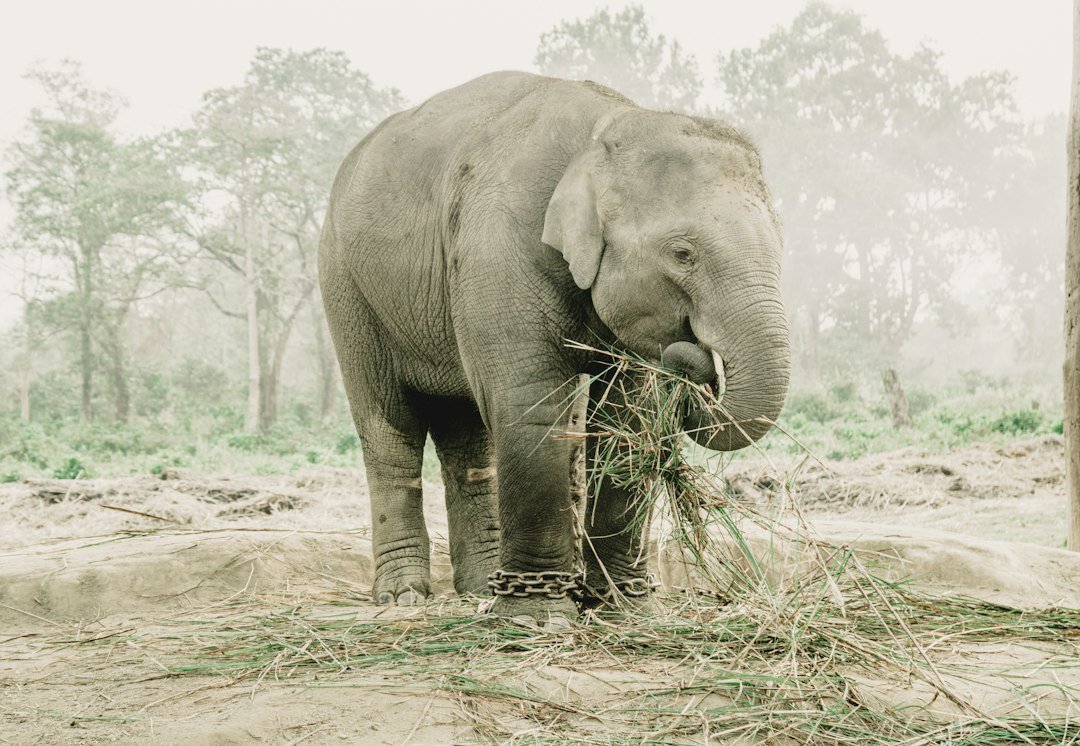
CHITWAN, NEPAL — In 2012, Shanichara Bote lost both parents to the wild elephant Dhurbe. Fourteen years later, on July 4, 2026, the same elephant killed his daughter-in-law Ashika Bote and four-year-old grandson Bharat Bote after entering the family home in Jagatpur.
Officials attribute at least 25 deaths to Dhurbe since 2010. The Bote family had relocated to escape the danger, yet another tragedy struck. There is no evidence that the elephant intentionally tracked or targeted this family.
Years of Warnings
After a series of deadly encounters in 2012, Nepalese authorities ordered Dhurbe killed. The elephant survived gunshot wounds and later resurfaced. Repeated tracking-collar installations did not prevent further conflict.
Government Accountability
Why did monitoring fail to protect villagers? Were warning systems effective? What compensation and protections reached affected families? These are urgent questions for Nepal’s park administration, not proof by themselves of misconduct.
What Happened Next?
In July 2026, conservation officials tranquilized Dhurbe, trimmed his tusks, and fitted an upgraded satellite collar capable of frequent location updates. August reporting indicated he remained largely inside the park, but long-term safety is not assured.
Wildlife conservation and protection of human life should not be competing goals. This case demands reliable early warning, community protection, accountable public administration, and durable habitat policy.
Sources: The Kathmandu Post, July 6; The Kathmandu Post, July 16; Ratopati, August 3.