Apep Bar | News analysis | November 22, 2026
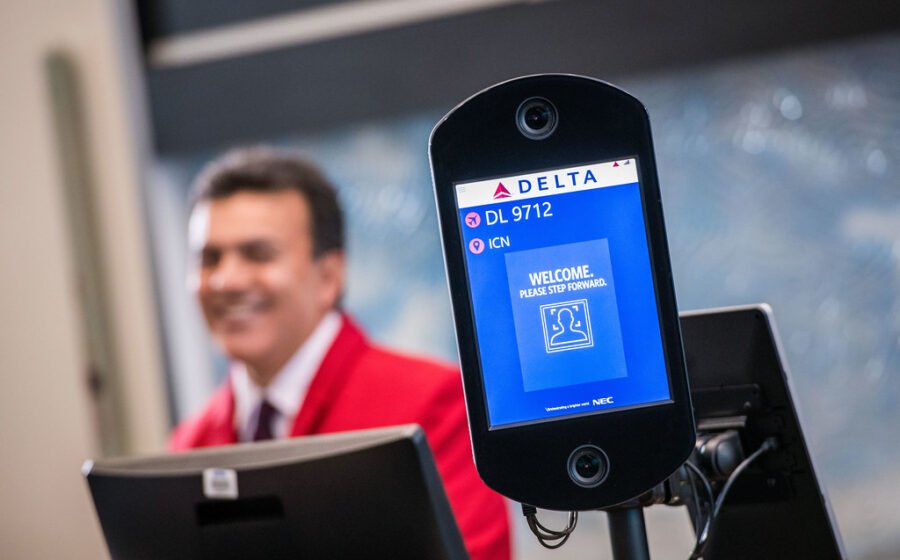
Live facial recognition is moving from a hypothetical debate to written operational policy. The UK government published an immigration-enforcement live facial-recognition policy document on November 18, 2026.
What the record shows
The document describes the technology as a means of comparing faces captured in live video against images on a watchlist and references technical standards for biometric video systems. Those descriptions do not establish that every future deployment will be accurate, necessary or lawful in practice.
Separate oversight commentary published November 17 warned that biometric surveillance can affect privacy and fundamental freedoms. Authorities argue that carefully constrained recognition can support legitimate enforcement. The policy question is therefore not whether the technology can identify some people, but whether the rules adequately limit everyone else’s exposure.
The question still open
The measurable indicators are watchlist criteria, staff review, error rates, retention, accountability and accessible appeal mechanisms. A policy document is an important starting point. It should also become a public checklist against which actual deployments are evaluated.