A ship built amid fears of an attack from Russia has reappeared off Australia—not as a fighting vessel, but as an archaeological discovery beneath the sea. Australian authorities announced on November 19 that the wreck of the former HMCS Spitfire, the country’s first locally built warship for colonial government service, has been located off Far North Queensland.
The date adds an unusual twist. Searchers found it on August 21, 2026, exactly 128 years after its sinking on August 21, 1898. The anniversary is a coincidence; the discovery itself followed a deliberate search.
A month of searching, then an acoustic clue
The Department of Defence announcement credits a partnership involving the Royal Australian Navy, Queensland heritage specialists and the Australian National Maritime Museum. The minehunter HMAS Diamantina supported the expedition with its crew, divers and remotely operated vehicles.
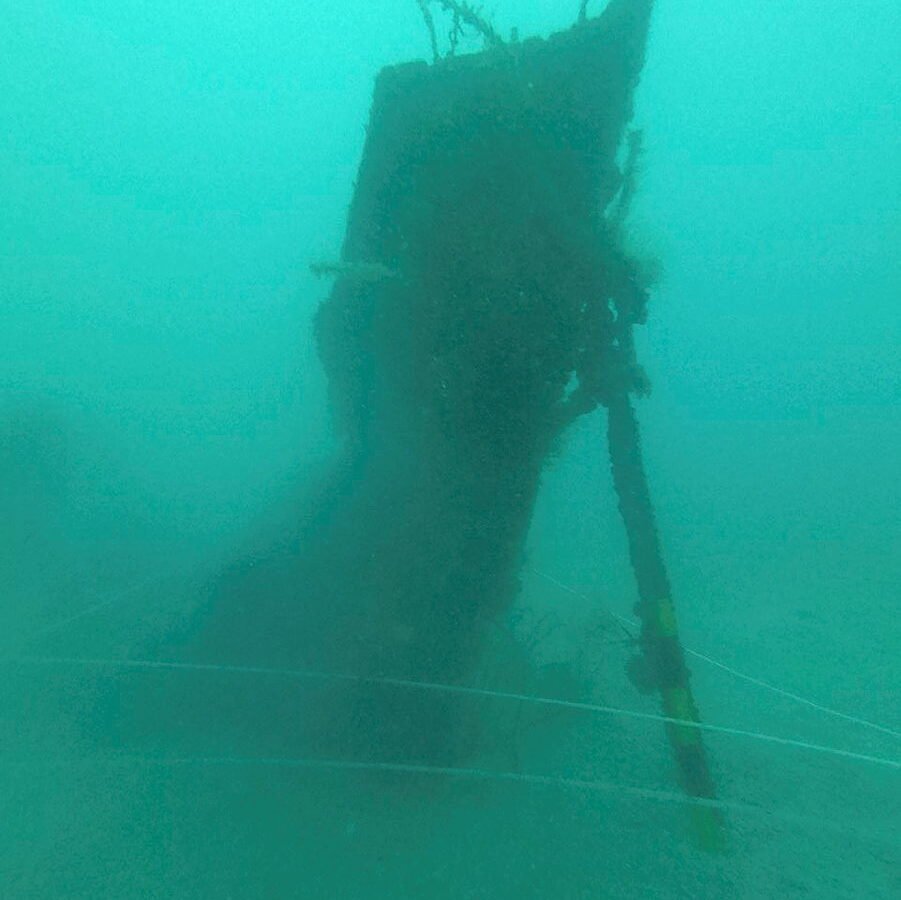
Museum research supplied an estimated loss position from archival records. The ship’s sonar team then identified an acoustic anomaly, and divers documented the exposed wreckage. That sequence matters: a suggestive shape on a screen is the beginning of identification, not its conclusion.
Officials say no lives were lost when Spitfire sank. By then, it had left government service and become a privately owned working vessel. The wreck is protected under Australia’s Underwater Cultural Heritage Act 2018.
Why a colony wanted a warship
The Naval Historical Society of Australia’s 1981 history describes a vessel ordered by the New South Wales government to defend Sydney against Russian warships. Shipbuilder John Cuthbert constructed it, and it was launched in April 1855. This was colonial Australia, decades before the Royal Australian Navy’s formation in 1911.
The historical account describes a wooden hull protected by copper sheathing and a design accommodating a 32-pounder gun on a traversing carriage. Its service later shifted toward pilot duties and transporting officials. The ship’s identity changed repeatedly over its working life; the label “warship” captures its origins rather than its final employment.
That makes the discovery more interesting than a simple tale of military hardware. A single vessel can preserve evidence of defensive anxiety, shipbuilding decisions, administrative travel and everyday coastal work.
Found in August, announced in November
Associated Press reporting says the delay in announcing the find reflected reporting procedures among agencies under shipwreck-protection laws. It also reports that much of the wreck remains buried in sand, that there are no plans to salvage it, and that authorities have withheld its exact location.
The distinction is useful for readers following breaking discovery news: today’s development is the public announcement, not a claim that divers first reached the site this morning.
A wreck is an archive, not just an object
Finding a named ship does not mean every historical question has been answered. Researchers can compare surviving structure with written accounts, distinguish original construction from later changes and investigate what remains of its civilian career. Those are research opportunities, not findings already established by this announcement.
The anniversary coincidence gives the story an irresistible hook. The more durable achievement is the connection between records on land and evidence underwater. For more reporting on discoveries that reopen older stories, explore Apep Bar’s Hidden History coverage.
What will this small colonial vessel reveal once the excitement of finding it gives way to the slower work of understanding it?
Featured photograph: the exposed bow section of the former HMCS Spitfire, documented after its August 2026 discovery. Credit: Department of Defence / Defence Imagery, © Commonwealth of Australia; image published by the Australian Naval Institute. Reproduced for news reporting under Defence’s media-use terms.
Question. Investigate. Reconsider.