Apep Bar | Evidence review | November 22, 2026
An enormous star kept producing violent outbursts on a timetable. That kind of regularity can turn an apparent cosmic mystery into an orbital detective story.
What the evidence shows
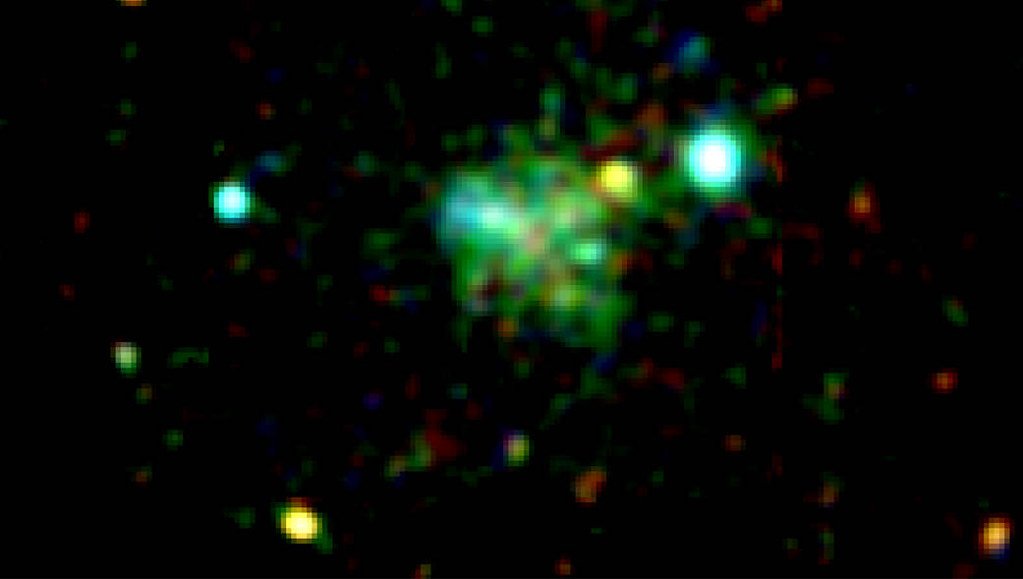
On November 9, 2026, the Chandra X-ray Center announced research showing a previously hidden companion object that makes a close approach to a massive star approximately every 113 days. At those approaches, material can be pulled from the star and fall toward the compact companion, triggering bright X-ray activity.
The researchers say a neutron star or black hole is a plausible destination for the material. Those are physical interpretations of the observations, not direct photographs of the unseen object. Distinguishing the possibilities requires further data about the system and how its radiation changes.
What remains unresolved
Space regularly delivers patterns that seem uncanny until the underlying mechanics are resolved. Here, the period itself is a powerful clue: orbital timing predicts when a companion should interact with the star. The compelling remaining question is which compact object is hiding in the system—and what its repeated feasts can teach us about the lives of massive stars.