The United States did fund experiments in what participants called remote viewing: attempts to describe hidden targets without ordinary sensory access. It was not a Hollywood invention. But the actual record of the program is stranger—and less triumphant—than the common claim that government scientists proved psychic espionage works.
An unusual intelligence experiment
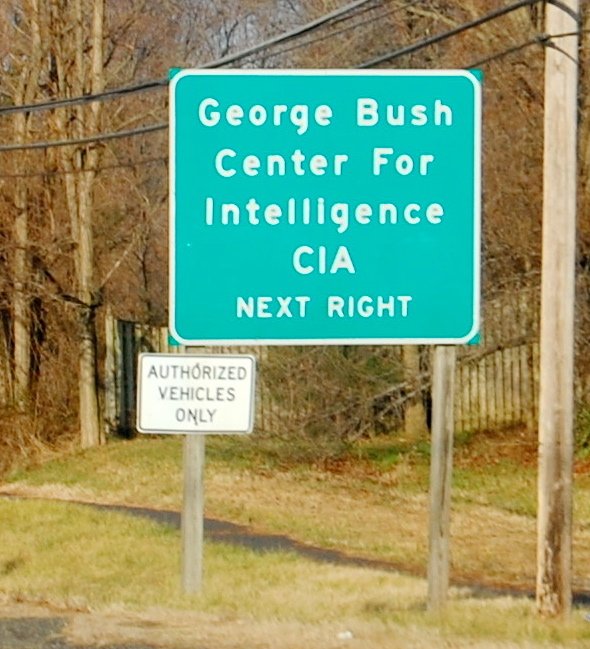
According to a public CIA historical explainer, CIA research began in the 1970s before the work moved to the Defense Intelligence Agency in 1977. It later became associated with the name STARGATE. In the mid-1990s the CIA reassessed the program through an independent evaluation, then declined to revive it.
What investigators concluded
CIA’s account says evaluators saw some results that appeared unusual statistically, but found the remote-viewing output too unreliable, inconsistent and sporadic for operational intelligence. Statistical patterns, useful predictions and credible causal proof are three different things. A government research budget demonstrates interest in a hypothesis, not its truth.
The files are the real attraction
Declassified session notes and program reviews leave room for honest scrutiny of experimental design, target selection, blinding and whether success could be reproduced. Those are more productive questions than insisting either that every anecdote is a miracle or that curious historical research must be erased. What could a rigorously preregistered, reproducible test show today?
Primary sources
Apep Bar — Question. Investigate. Reconsider.