October 23, 2026 — Picture leaving your job, turning in the keys, and somehow keeping access to a system that can reveal where thousands of drivers have traveled. Now replace “job” with law enforcement—and the system with a sprawling roadside camera network.
A Washington Post investigation published October 21 says the unsettling scenario was not merely hypothetical. It documented at least 11 instances in which people gained or retained access to Flock Safety license-plate databases without authorization, according to records and interviews examined by the newspaper.
One Georgia case is on the public record
The Georgia Bureau of Investigation announced on July 27 that it had arrested Andrae Wright, a former employee of the Effingham County Sheriff’s Office who was working as an investigator for the Ogeechee Circuit District Attorney’s Office at the time of the alleged conduct.
Investigators said Wright retained access to his former sheriff’s office Flock account and used the system more than 60 times between June 15 and July 5 for purposes unrelated to law enforcement. State agents charged him with stalking, misuse of a license-plate reader system, computer invasion of privacy and violation of oath of office. These are allegations and criminal charges, not findings of guilt.
The Post further reported that audit logs showed searches associated with a vehicle linked to Wright’s estranged wife. Its reporting also identified improper account sharing, credentials left active after employment ended and an Indianapolis case involving alleged repeated searches of an estranged spouse’s license plate.
The database you may never see
Automated license-plate readers photograph passing vehicles and associate plate numbers with times and locations. They can help police investigate crimes and locate stolen vehicles. But when many roadside cameras feed searchable systems, even a routine drive can become part of a retrospective movement history.
Flock says its tools have legitimate public-safety uses and offers audit logs and security controls. Following reporting about misuse, it announced additional safeguards, including tighter search requirements and greater automated monitoring. The new investigation raises a simpler question: can agencies reliably remove access the moment an employee no longer has a lawful reason to use it?
The real danger is ordinary
No science-fiction mind reader is required. A camera, a database, an old login and inadequate supervision may be enough to turn a public-safety tool toward a private target. The risk can be particularly severe when the person targeted does not know the searches are happening.
Those incidents do not mean every camera search is improper, nor do they establish that the network as a whole was hacked. They show why access controls, independent audits and clear limits on use matter.
The Apep Bar question: If the cameras watch the public, who makes sure the people searching those cameras are being watched, too?
Sources and records
- Georgia Bureau of Investigation, July 27, 2026
- The Washington Post investigation, October 21, 2026
- Earlier account of Flock’s announced safeguards, August 13, 2026
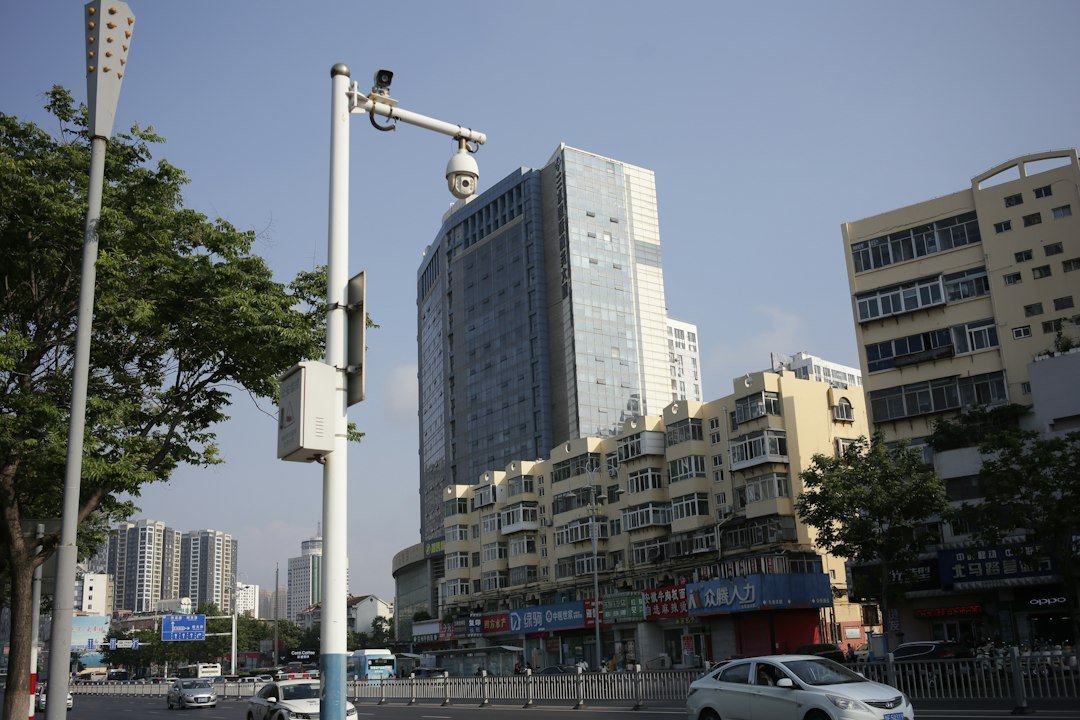
Featured image: illustrative security-camera photograph, not the particular device or scene in the Georgia case. Photo: MChe Lee / Unsplash.