APEP BAR INVESTIGATIONS | October 18, 2026
A ballroom is supposed to host elegant dinners, not difficult questions about political influence. Yet an October 15 investigation by The Washington Post puts both on the guest list: internal fundraising documents reportedly identify $333 million in commitments to President Donald Trump’s White House ballroom project. The story is not simply who donated; it is how much of that financial trail was previously concealed from public view.
What the records reportedly contain
The Post says the internal spreadsheet tracks 67 gifts above $10,000 recorded through late September. According to its investigation, Apple and Nvidia each committed $25 million. The Adelson family and telecom investor Charles Ergen also appeared among the largest contributors. At least $77 million was attributed to donors who requested anonymity, the newspaper reported.
These figures are based on documents obtained and examined by the Post, not an independent audit by Apep Bar. The White House previously released some donor names but generally not individual amounts. The money reportedly moves through the nonprofit Trust for the National Mall, which is not subject to ordinary campaign-finance disclosure rules for such charitable gifts.
A donation is not proof of a deal
Some contributors have business before federal regulators or hold government contracts. That overlap creates a legitimate transparency question, but it does not establish that money bought an official decision. The Post explicitly states its reporting did not establish a causal link between contributions and favorable government actions. Donors contacted for the investigation denied such connections or declined to comment.
The White House has defended the project as privately supported and described critics’ conflict-of-interest allegations as unfounded. The sharper question for the public is whether decisions involving government property and donors with federal interests should have more transparent reporting requirements.
What to watch
Look for disclosure of donation agreements, accounting of private versus public spending, and independent oversight of the project’s final construction costs. Transparency is not a verdict; it is how a public verdict becomes possible.
Evidence status: Document-based news investigation, with allegations and financial relationships distinguished from proven misconduct.
Sources: The Washington Post investigative report (Oct. 15) and its searchable donor list.
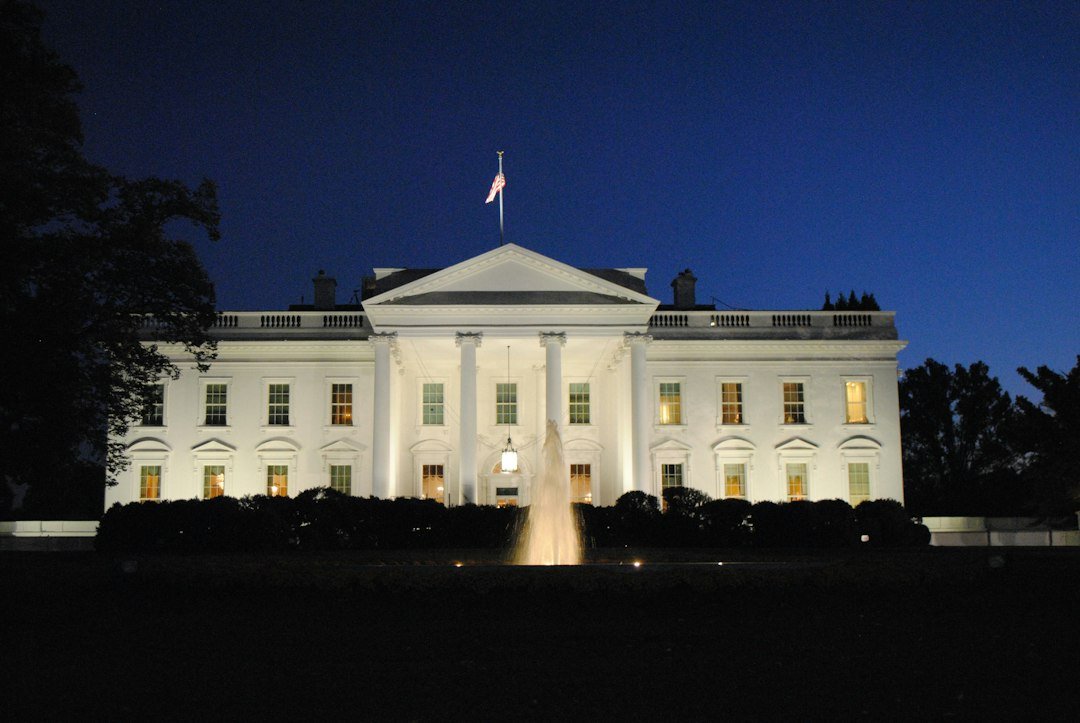
Featured photo: illustrative stock image of the White House, not a photograph of donors or construction.