By SaKm | Apep Bar Investigations
For years, the FBI operated a covert domestic counterintelligence program that went beyond collecting information. Its documented tactics included infiltrating organizations, creating internal distrust, and attempting to discredit political activists—even when evidence of criminal wrongdoing was absent. The program was called COINTELPRO.
What the government itself acknowledges
According to the FBI’s own historical account, COINTELPRO began in 1956 against the Communist Party, then expanded to the Socialist Workers Party, the Ku Klux Klan, the Black Panther Party, and other organizations. The bureau acknowledges that some agents sowed discord and tried to undermine groups with little or no evidence of unlawful activity.
The program became publicly known after activists burglarized an FBI office in Media, Pennsylvania, in 1971 and released documents. FBI Director J. Edgar Hoover formally ended COINTELPRO operations that April. Subsequent congressional scrutiny criticized the program for infringing First Amendment rights.
What congressional and declassified records add
Contemporaneous congressional material identifies five domestic COINTELPRO programs aimed at the Communist Party, Socialist Workers Party, white hate groups, people labeled by the FBI as “Black Extremists,” and the New Left. Their stated objectives included disrupting, exposing and neutralizing organizations. Read the congressional record.
A declassified September 2, 1964 FBI directive preserved by the National Archives instructed field offices to launch a coordinated program targeting Klan-type and hate groups. The directive explicitly called for exposing and disrupting those organizations and exploiting conflicts among leaders.
A Congressional Research Service review recounts tactics including infiltration, agents provocateurs, leaks, and anonymous letters. The record establishes specific historical operations; it does not substantiate every allegation now circulating about the program, nor does it prove that modern groups are secretly government-controlled.
Who was targeted—and why it matters
COINTELPRO reached across ideological lines. Its targets included white supremacist organizations as well as Black political activists and left-wing groups. That breadth does not excuse the violations: the constitutional question is whether federal authorities used covert disruption against lawful political activity instead of investigating specific crimes.
Congressional oversight, court scrutiny, public records, and independent journalism are essential precisely because secret programs can operate without meaningful public accountability.
The unanswered question
COINTELPRO’s documented history should not be treated as proof that any modern organization is secretly controlled by the government. It does, however, provide a rigorous starting point for asking what safeguards exist today, how compliance is audited, and how citizens can obtain records when agencies exceed their lawful authority.
Sources: FBI historical account; Congressional record on COINTELPRO programs; National Archives, 1964 FBI directive; Congressional Research Service review.
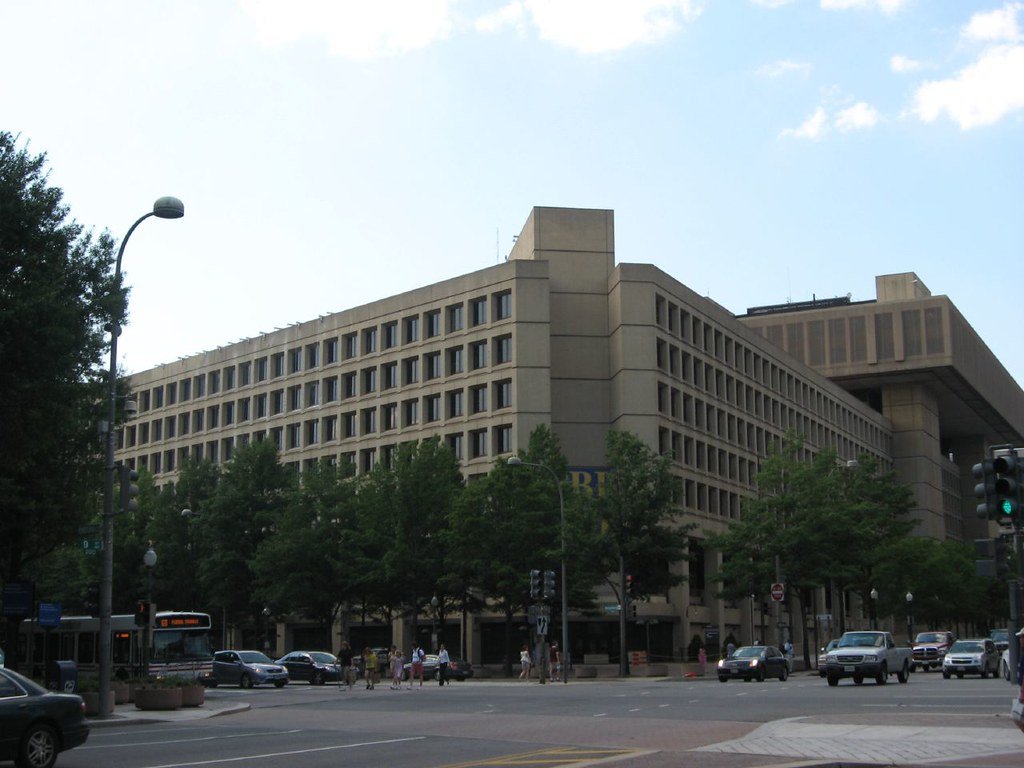
Featured photograph: FBI headquarters in Washington, D.C. Photo by Ken Lund, used under CC BY-SA 2.0. Contemporary contextual photo, not a photograph of historical COINTELPRO operations.