Court documents made public Monday shed light on a legal disagreement over the search of Representative Ilhan Omar’s home. The Associated Press reported that the federal judge recognized her ability to assert protections for legislative material at the outset of the search.
What the evidence shows
The dispute centers on the Speech or Debate Clause, which protects legislative activity, not a general exemption from criminal investigation. According to the report, the parties agreed to a protocol permitting privilege claims before agents conducted the search. News organizations had sought disclosure of the judicial record.
What remains unresolved
The unsealing does not establish criminal wrongdoing by Omar. The important questions are how protected material was identified, who reviewed disputed records and whether the protocol operated as intended. Those details matter regardless of the party or politician involved.
Source: Read the original source or reporting.
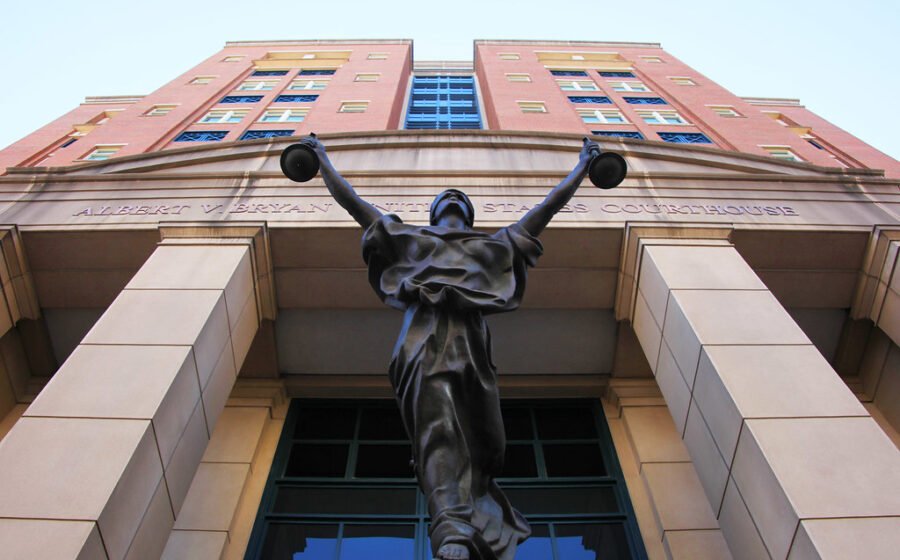
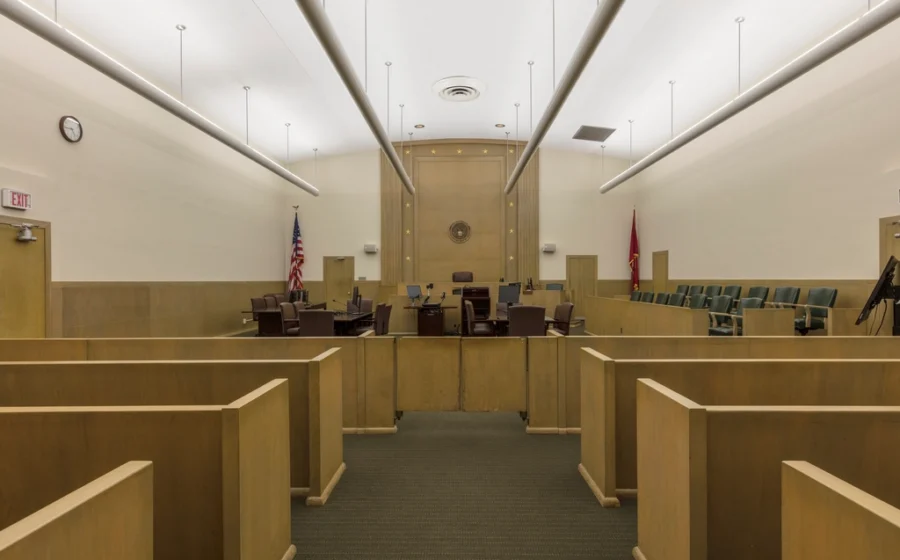
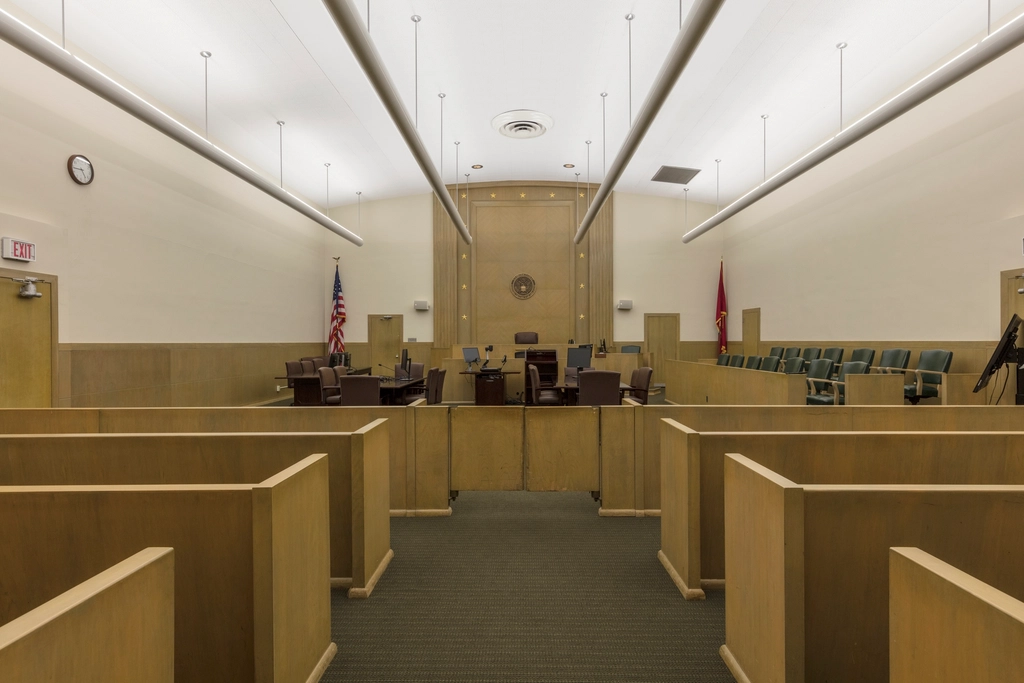
Featured image: Contextual courthouse interior, Carol M. Highsmith, CC0; not the courtroom in this case.
Question. Investigate. Reconsider.