By SaKm
Every November, Americans inherit a familiar picture of Pilgrims and Native people sharing a meal. But the history begins long before the Mayflower, on lands governed by Indigenous nations with their own political institutions and traditions of gratitude.
Before Plymouth
The Wampanoag had longstanding harvest ceremonies. European trading, kidnapping and disease preceded the English settlement. Tisquantum, often called Squanto, had himself been abducted and taken overseas. When the colonists settled at Patuxet in 1620, they occupied the site of a community devastated by epidemic disease. The land was not a previously unclaimed wilderness.
A diplomatic decision in 1621
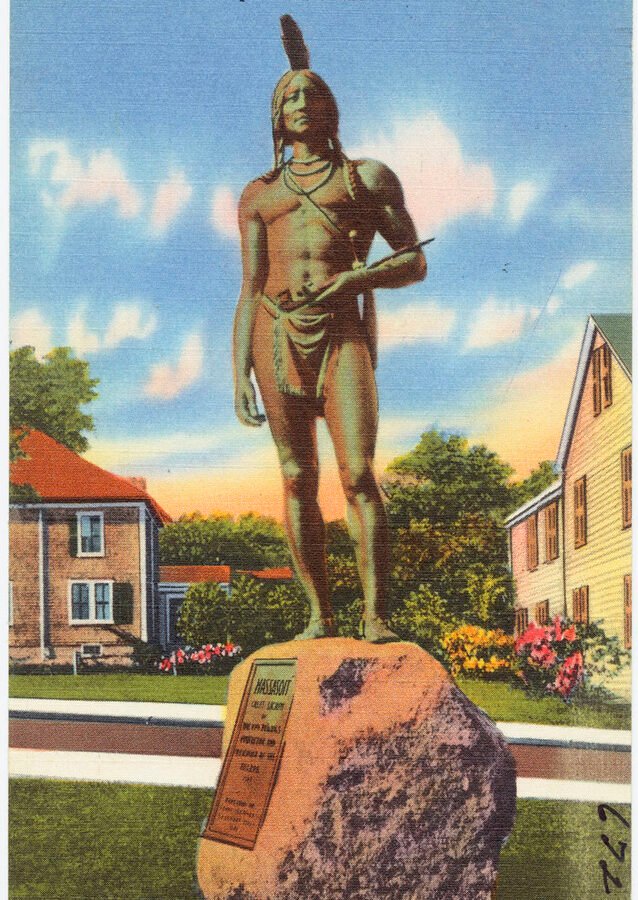
Ousamequin, the Pokanoket leader often called Massasoit, negotiated an alliance with Plymouth in a difficult regional political environment. Wampanoag assistance helped the newcomers survive. Edward Winslow’s surviving harvest account, reproduced by the National Museum of the American Indian, describes a three-day gathering attended by Ousamequin and around ninety men, who contributed five deer. It does not establish that the Wampanoag were formally invited. The gathering was not called the First Thanksgiving by its participants.
1637: Thanksgiving and the Pequot War
The subsequent colonial expansion cannot be separated from violence and dispossession. English colonial forces and Indigenous allies attacked the Pequot community at Mystic in 1637, killing hundreds. Survivors faced enslavement and displacement. According to the Plimoth Patuxet Museums chronology, several colonial jurisdictions proclaimed thanksgiving following the war. This is documented, but it is not proof that the modern federal holiday was established directly to celebrate that massacre. The 1621 gathering and the 1637 observances were distinct events.
Land, authority and consent
The broader history examined in the SaKm Legal Research and Reference Archive includes European assertions of territorial authority, from the 1493 Inter caetera instruments to the American legal doctrine articulated in Johnson v. M’Intosh (1823). These documents demonstrate imperial and judicial claims, not evidence of Indigenous consent. Plymouth’s English colonial history should not be confused with direct legal operation of papal decrees. The distinction matters: a claimed right to land is not the same as a voluntary cession by its people.
How a national story was made
In 1863 Abraham Lincoln proclaimed a national Thanksgiving during the Civil War. The familiar association with Plymouth grew through nineteenth-century historical writing, popular art and education. The National Archives explains how later interpretations shaped the familiar narrative. The holiday’s modern date was established by Congress in 1941.
Living nations, living memory
Since 1970 Indigenous people and supporters have gathered in Plymouth for the National Day of Mourning. The observance challenges the omission of dispossession and colonial violence from public memory. Indigenous people do not all observe the holiday in the same way. Some gather with family, some mourn, and others maintain their own traditions of gratitude. None of these choices erases the continuing existence of Wampanoag and Pequot peoples.
Gratitude need not depend on historical amnesia. The question is whether Americans can acknowledge the sovereignty, diplomacy, suffering and survival of the nations whose history made the Plymouth story possible.