A University of Sydney announcement on November 23 describes a Nature Astronomy study questioning the nature of the Milky Way’s Norma arm. The research suggests that compression associated with a galactic shock front may create conditions for star formation in a region previously considered difficult for new stars to develop.
Why it matters
Mapping our own galaxy is challenging because observers live inside it. Models must infer large-scale structure from positions, velocities and other measurements obscured by dust and complicated by orbital motion. A shock-driven feature can therefore resemble a spiral arm in certain observational maps.
What the evidence can establish
The researchers compared large-scale simulations with observations. The interpretation can be tested through measurements of gas movement, star ages and the spatial distribution of star-forming clouds. A revised map would reflect stronger evidence, not the collapse of all existing galactic astronomy.
Source: Original reporting or documentation.
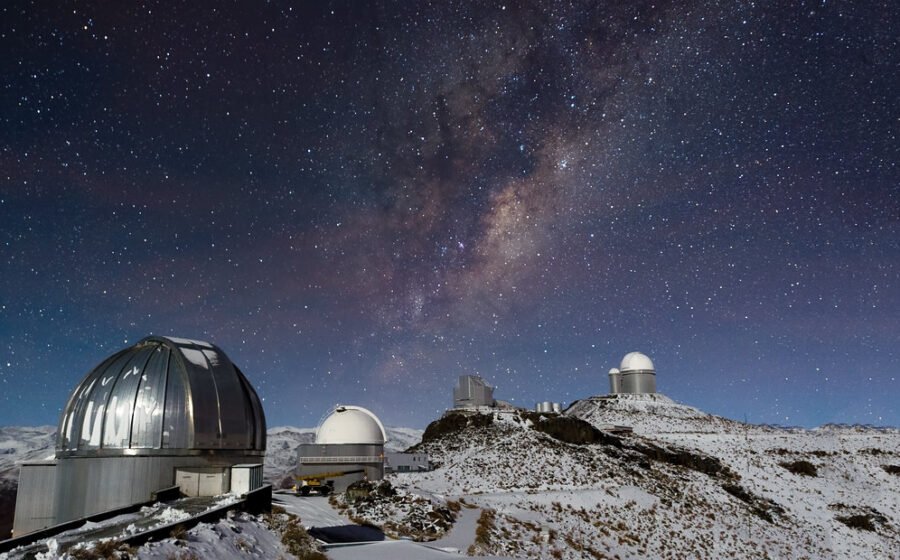
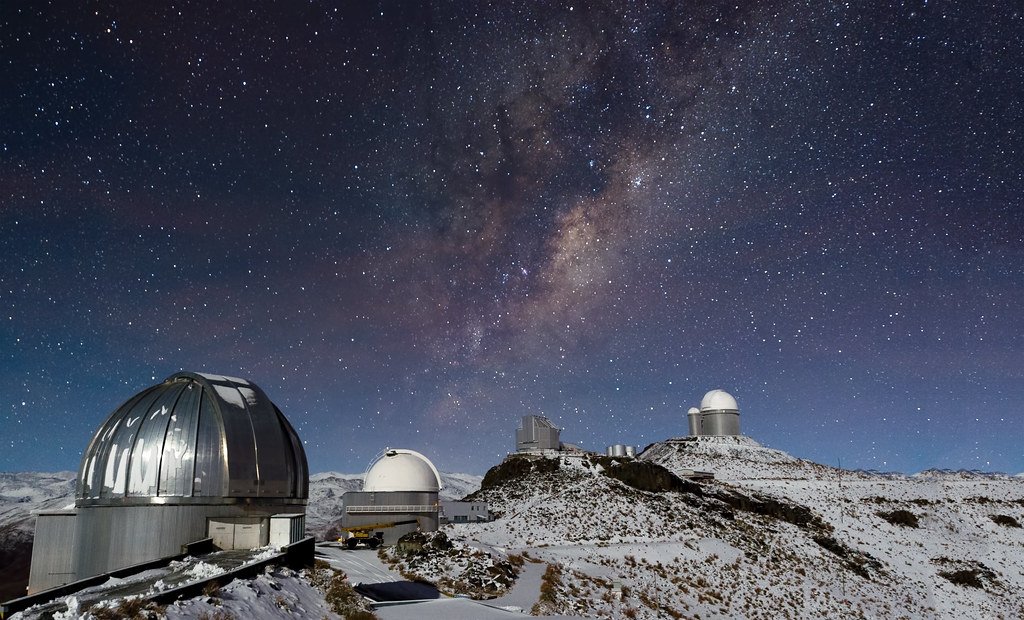
Featured image: Contextual telescope photograph under the Milky Way: ESO, CC BY 2.0.
Question. Investigate. Reconsider.