Apep Bar | News analysis | November 22, 2026
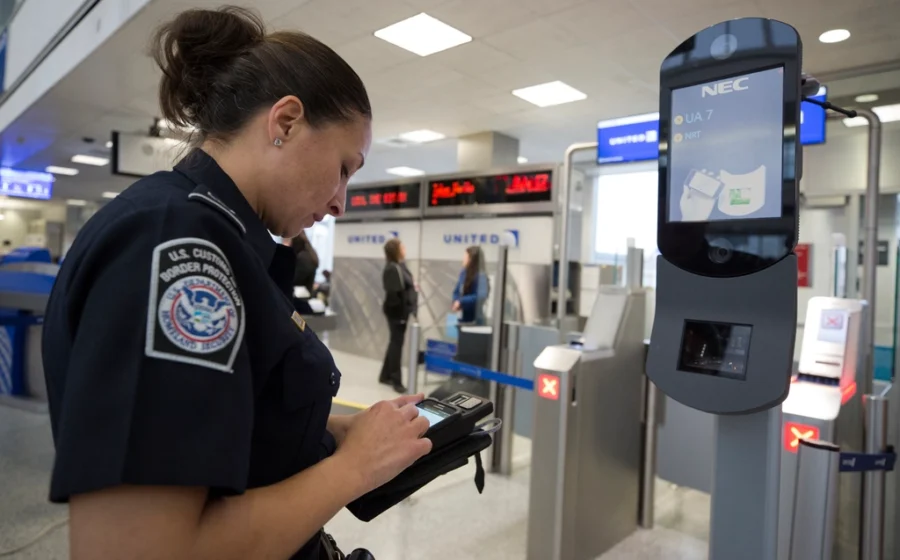
The promise is simple: cameras can identify wanted people faster. The harder question is how a society keeps those cameras from becoming a permanent, difficult-to-challenge method of tracking everybody else.
What the record shows
In November 2026 the United Kingdom published new facial-recognition policy materials, while civil-rights oversight officials warned about implications for privacy, freedom of movement, assembly and expression. Officials defending the technology point to public safety and enforcement needs. Both sets of interests are real.
My position is that oversight must come first. Clear legal limits, independent audits, strict watchlist standards, published error measurements, deletion rules and accessible challenge procedures should be prerequisites—not promises to be delivered after deployment.
The question still open
A reliable system used without accountability can still be abusive. A responsibly governed system that performs poorly can still harm innocent people. A defensible policy has to address both failure modes and explain whether benefits justify the intrusion. Before scanning more faces, officials should show the public what counts as success and what happens when the system gets it wrong.